
- How does working with artificial intelligence influence creative processes?
- What power structures are perpetuated by digital technologies?
- Under what conditions do we create and maintain identities in the digital space?
- How do we as artists and designers deal with digital forms of surveillance, censorship and discrimination?
- How can digital forms of interconnectedness be cultivated in work processes and thematized in artistic and creative practices?
- Acquisition of technological, artistic, critical and communicative skills in the field of digitality
- Assistance with self-organization, networking and strengthening one's own autonomy
- Learning how to use and experiment with different digital tools
- Support with the production of digital portfolios
Programme
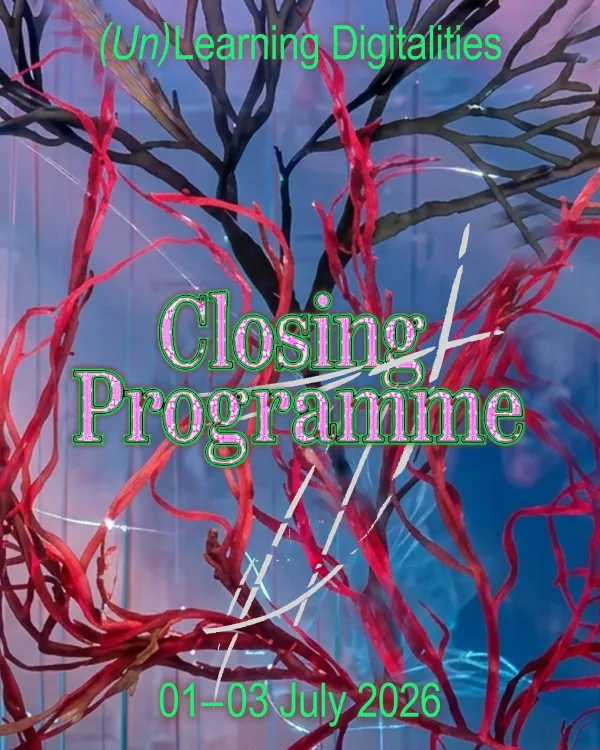
Cluster III – Becoming Public(s)
This cluster explores digital and analog publics as well as the practices of sharing, publishing, and becoming visible in artistic practice. The focus is on critical questions of self-representation, strategic visibility, and the complex relationships between digital spaces, public places, and structural power relations.Subject areas: Public Spheres, Digital Self-Representation, Participation, Professionalization, Algorithmic Logics, and Attention Dynamics
Cluster II – Costs of (Dis)Connecting
This cluster examines the political and social costs of digital connections. It questions the apparent neutrality of digital platforms and discusses their embedded power structures. Students are invited to view social media, digital platforms, and the virtual space in general not only as spaces of consumption, but also as terrains for artistic interventions and critical analysis.Subject areas: Social Media Dynamics, Online Identities, Connections in the Digital Space, and Digital Infrastructures
Cluster I – Worlds That Build The(y) Self
This cluster explores the artistic and theoretical possibilities of digital realities. It is about the creation of alternative worlds that represent not only narrative, but also political and social counter-designs. Digital technologies are seen as tools and actors that help shape creative processes and open up new aesthetic and discursive spaces. The critical examination of the ideologies and power mechanisms behind digital systems - especially generative AI and game worlds - is a central component.Subject areas: Generative AI, World Building, Games, Digital Tools, and Critical Interventions
Formats
Workshops / Artist Labs
The workshops and Artist Labs are one- or multi-day, practice-oriented programs in which students collaborate with invited artists to explore new digital tools, media, and artistic methods. The focus is on experimental working processes, collaborative learning, and the development of students’ own artistic approaches. These formats create intensive, collective workspaces where technological practices are tested, reflected upon, and contextualized within current discourses on digitality, artistic production, and social transformation.
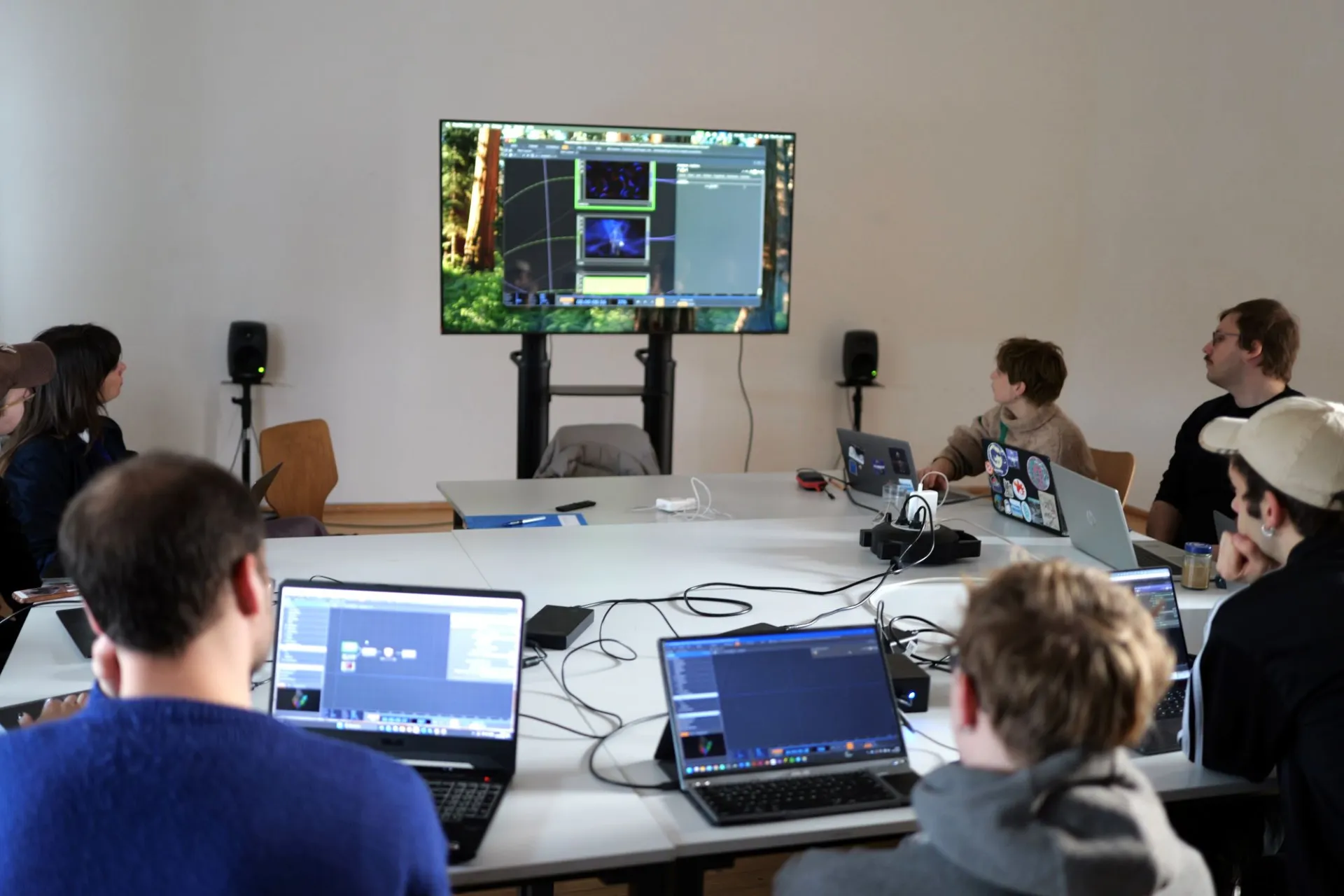
The TouchDesigner Interactive Lab is a collaborative, project-based lab for students with some prior experience in TouchDesigner. Working in small teams, participants develop interactive audiovisual works using video, real-time graphics, sound, 3D, cameras, and data. Focusing on the theme of surveillance, they explore AI-powered surveillance and facial recognition in public spaces and create artistic experiences that bring these technologies to life. The resulting audiovisual performance combines live facial recognition with short essays and will be presented to the public on July 3 to conclude the program.
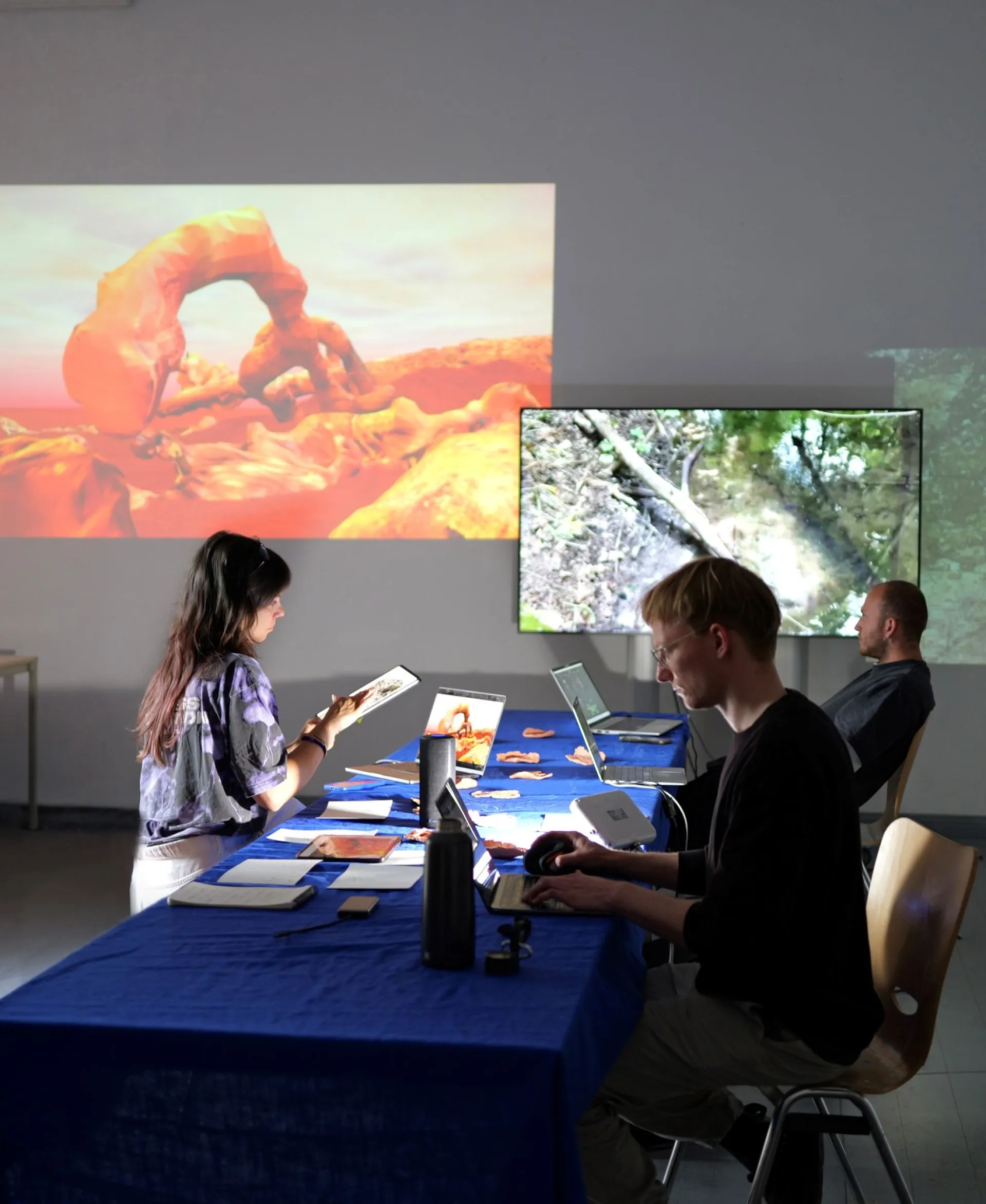
Cybernetic Forest engages in artistic field research in Leipzig’s floodplain forest as an ecological and political system where history, the climate crisis, and infrastructural interventions intersect. Using 3D scanning, digital worldbuilding, film, field recording, writing, drawing, and performative scores, participants explore the relationships between non-human bodies, technology, the environment, and history. Through collaborative processes, a speculative, transdisciplinary archive of the forest takes shape. Conceived and led by Eliza Goldox ((Un)Learning Digitalities).
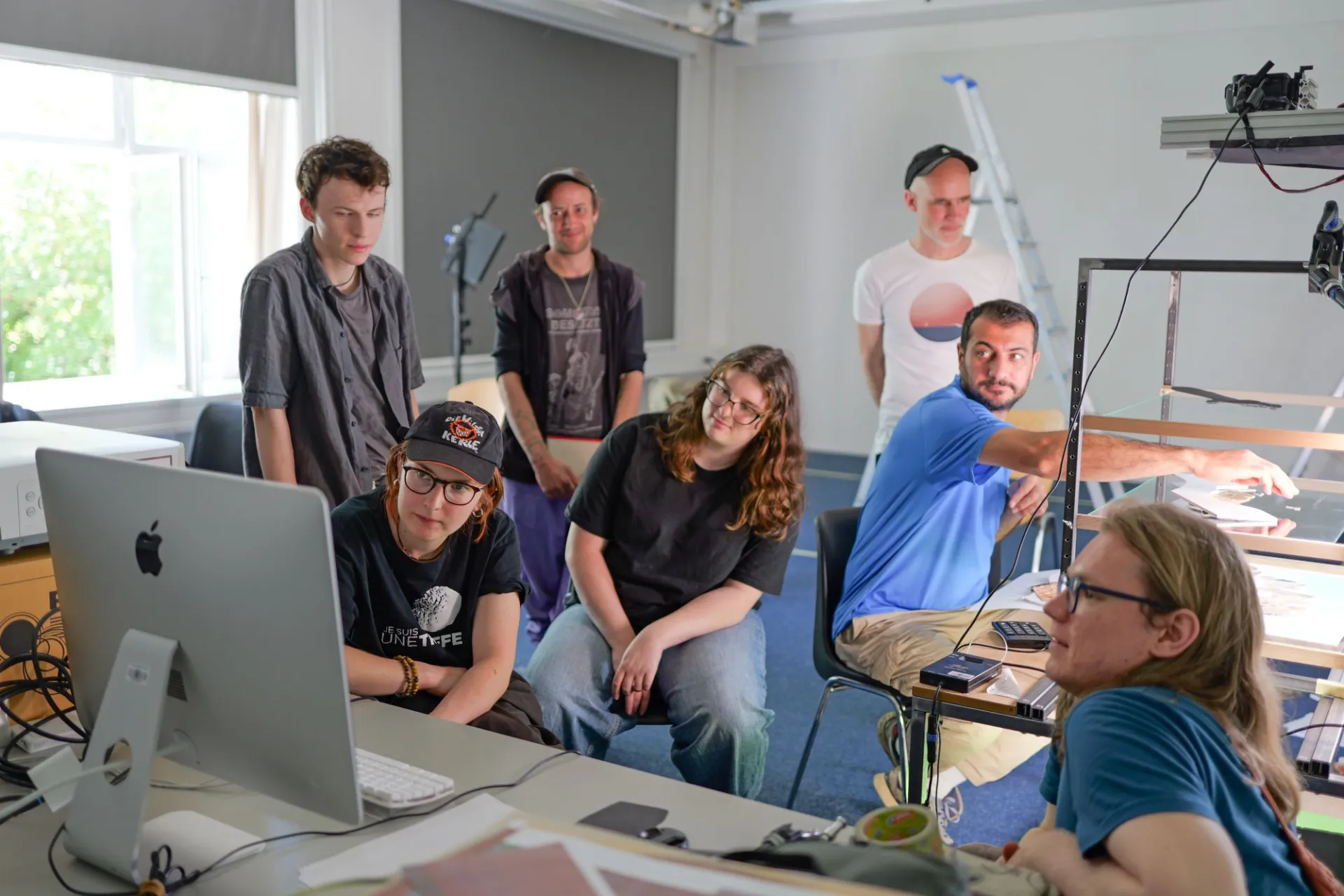
The three-day animation workshop “Behind the Scenes” explores various artistic, narrative, and technical approaches to stop-motion animation. Together with Agnes Lammert, Maja Bühler, and Richard Forstmann, participants will develop their own characters, stories, and visual concepts based on drawing and painting processes, and translate these into moving images. Hands-on exercises in 2D animation, Dragonframe, multiple exposures, green/blue screen, motion control, and lighting combine experimental project development with technical fundamentals. The resulting works will be presented to the public on July 3. In cooperation with the Painting class (undergraduate program, Prof. Jörg Ernert).
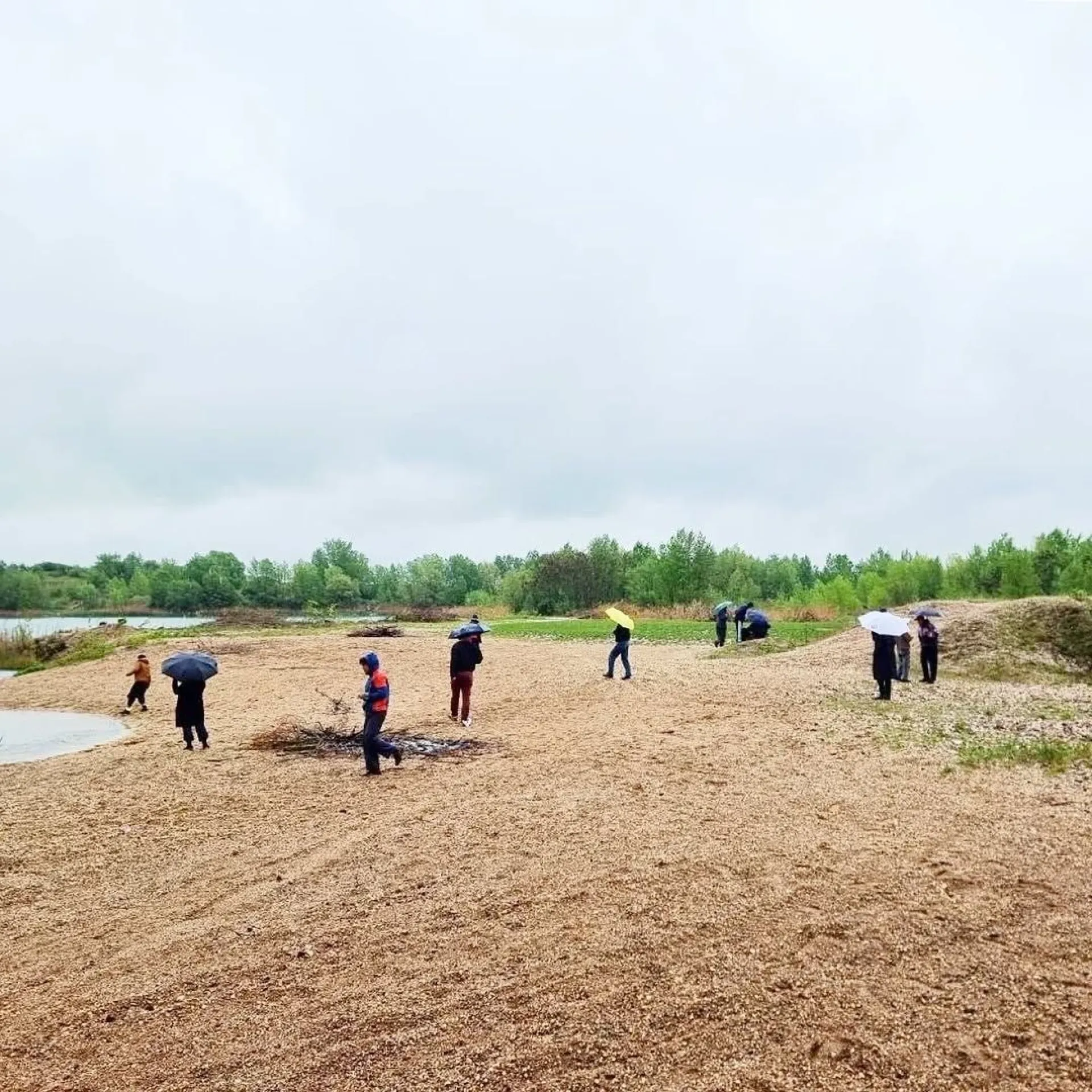
In the two-day workshop “Artistic Resilience,” artist Heath Bunting explores strategies of artistic self-organization and self-empowerment at the intersection of art, (survival) and society. Through discussions, field experiments, and practical exercises, the workshop examines the relationship between private and public life, visibility and invisibility, and the conscious use and non-use of digital media. A public lecture will provide insights into Bunting’s artistic practice and research, which straddles the boundaries between fact, fiction, and myth. In cooperation with the “Artistic Practice and Research” class (Prof. Christin Lahr / Sven Bergelt).
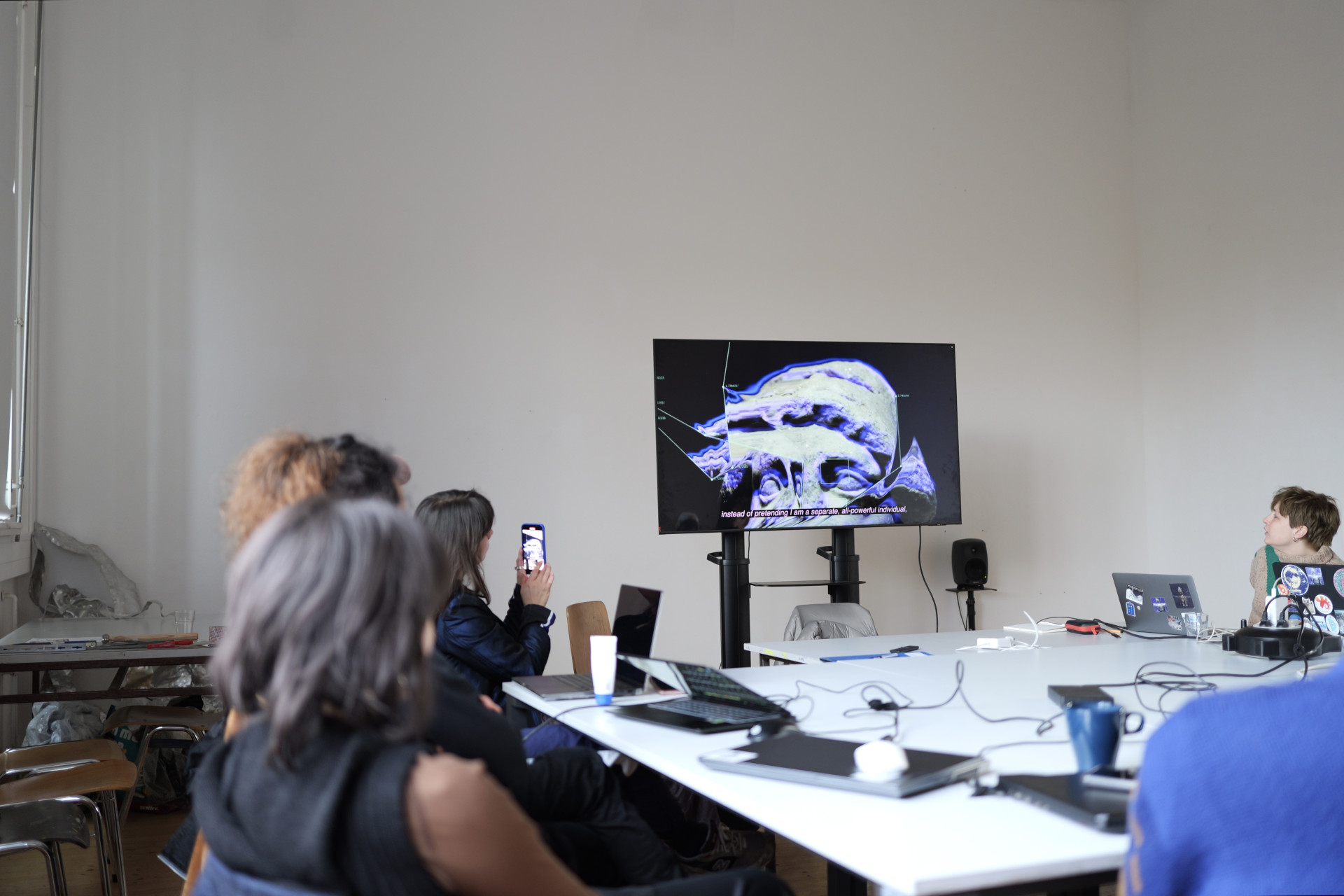
Participants can get familiar with the fundamentals of TouchDesigner, with a focus on creating visuals that respond dynamically to sound. Bashmakova uses a generative electronic music approach and narrative live video essay to talk about queer representation in digital space, with a particular interest in alienation, isolation, and anxiety in personal communication.
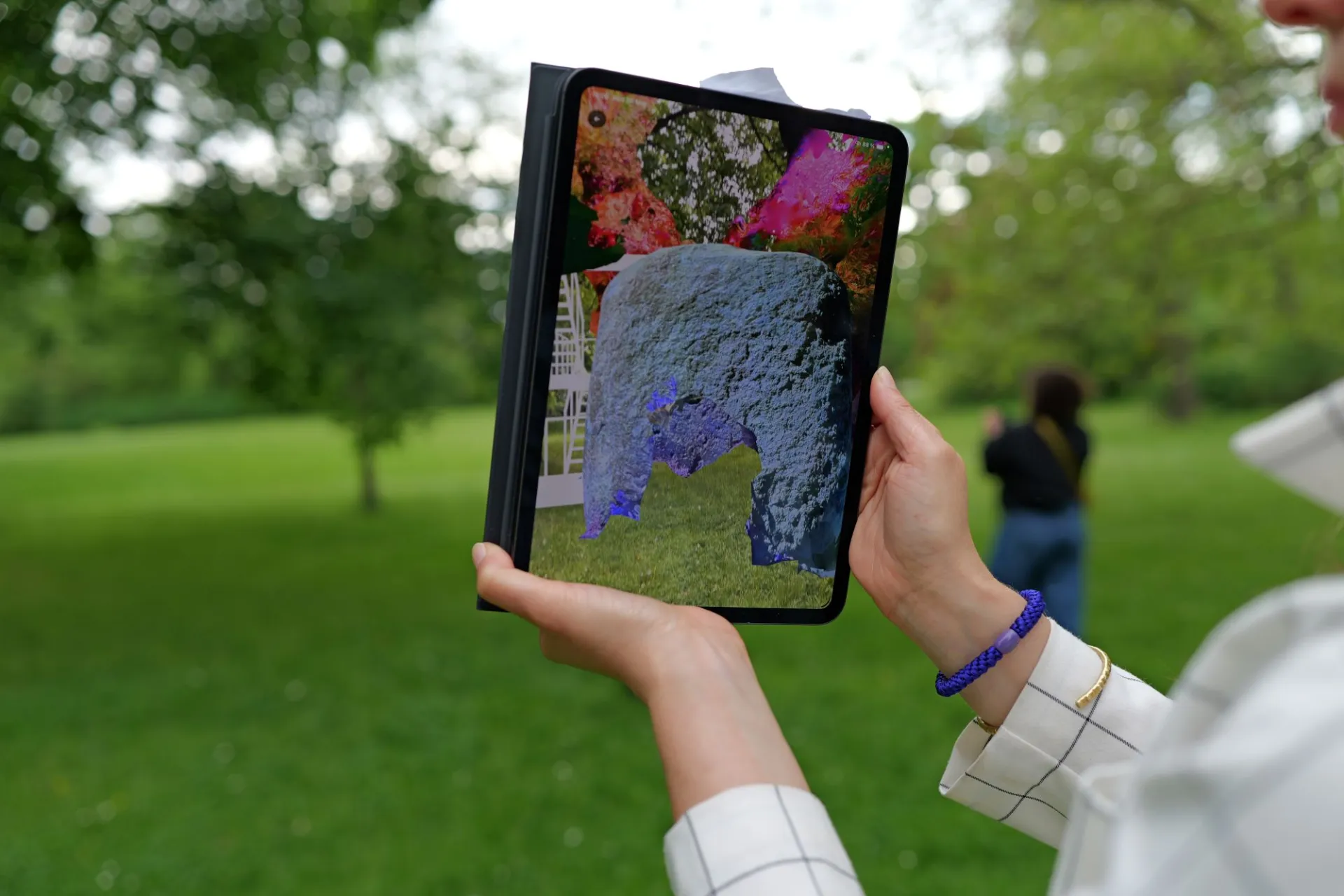
Participating Artists:
Eliza Goldox, Tania Kolbe (AG Postkolonial / Re-Telling Doaa), Angelika Waniek, Julia Kurz (Umräumen e.V.), Mikala Hyldig Dal und Sven Bergelt
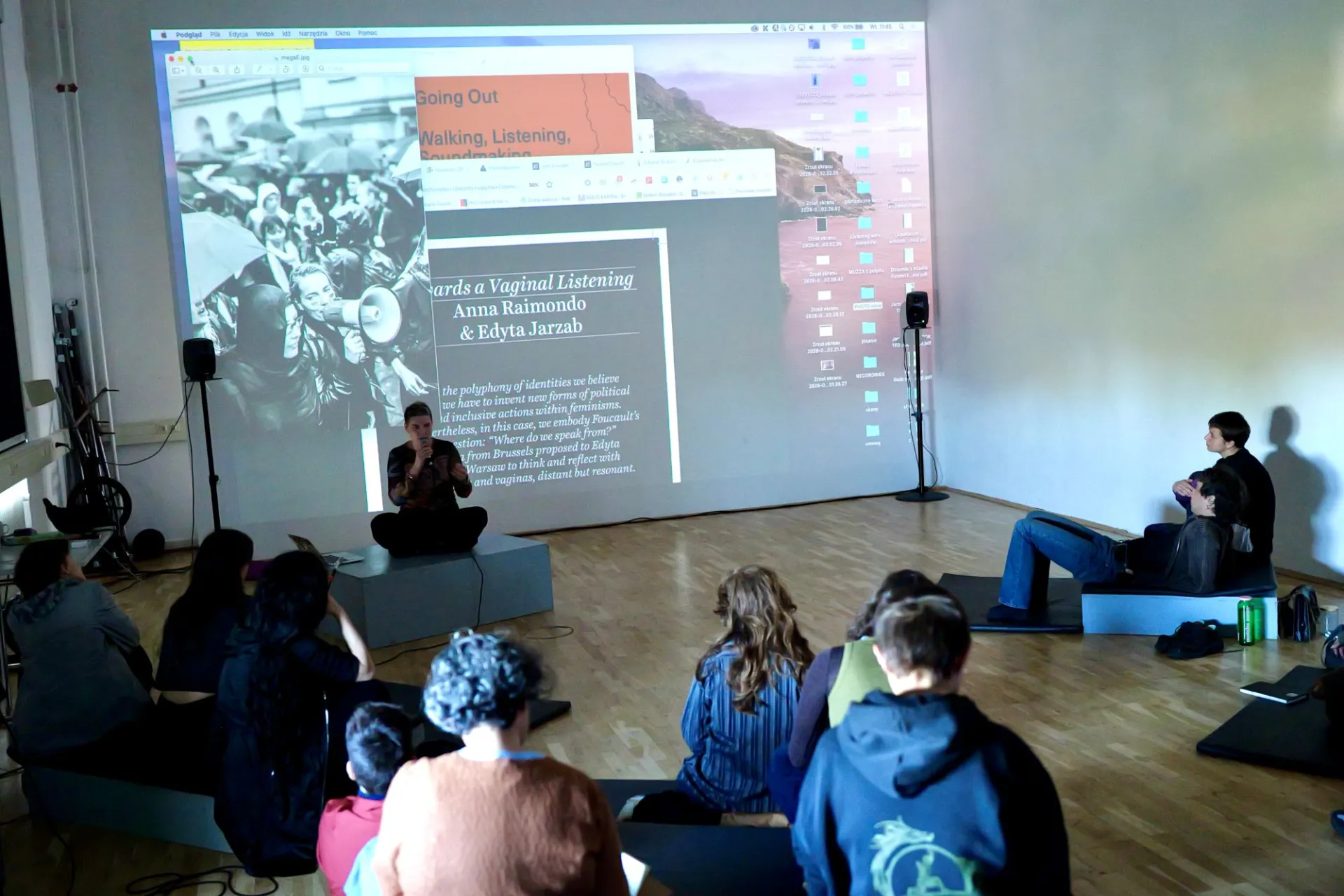
How do artists create public sphere through performance? Performance-artists, scholars and activists Edka Jarząb and Azadeh Ganjeh share insights and practices around their work on intervening in the public sphere through performance in Poland and Iran. The dynamic between online and offline practices has played a significant role in both contexts. In cooperation with Performative Arts Class (Prof. Jule Flierl / Prof. Anna Zett).
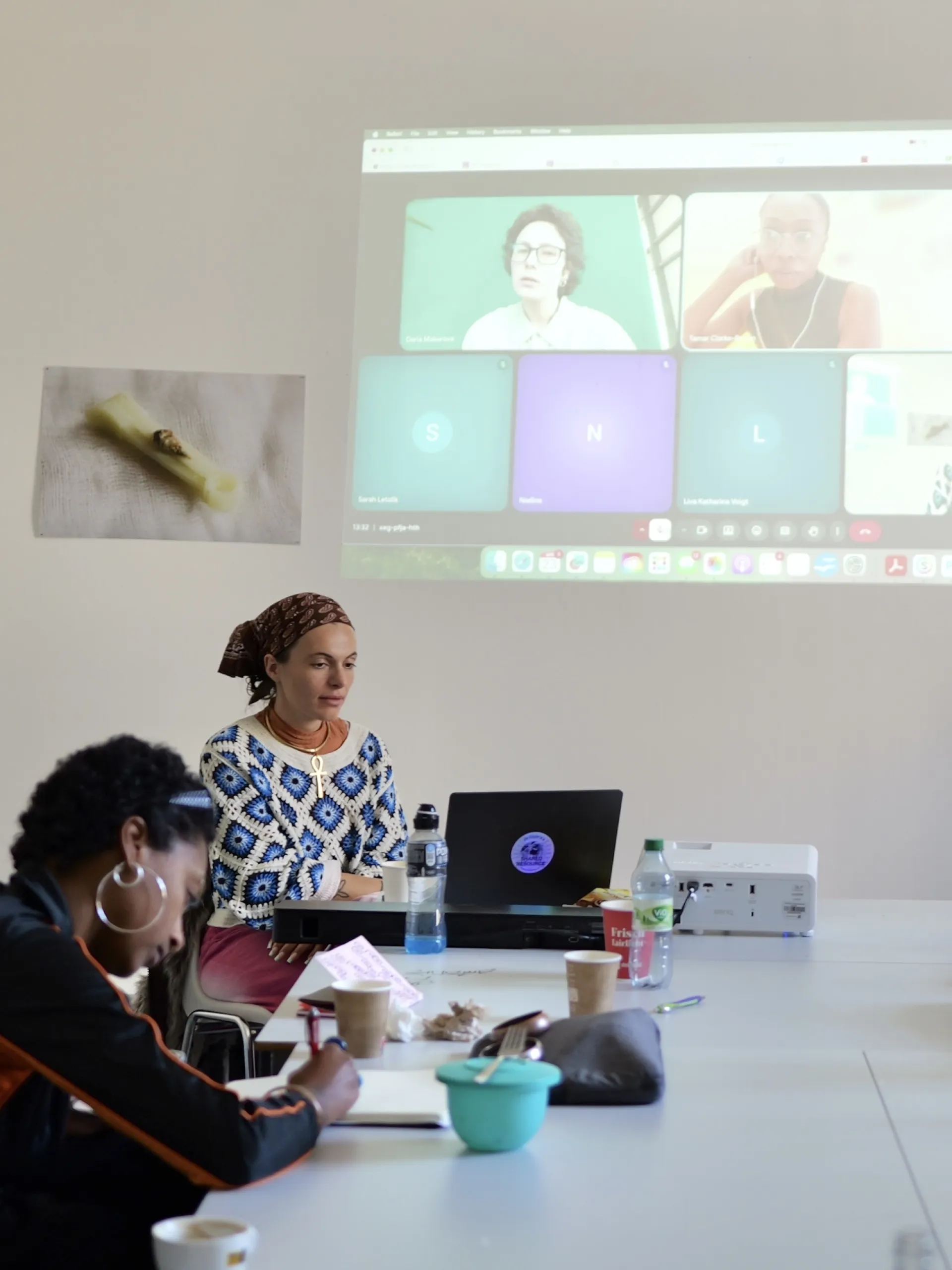
This module views digital presence as an extension of one’s own artistic practice—not as an obligation, but as an opportunity to articulate one’s stance. We work on developing a clear “red line” across websites, social media, or antisocial media, and various contexts, and practice speaking precisely about our own work without explaining or smoothing it over. In cooperation with Class for Photography in the Field of Contemporary Art (Prof. Anna Ehrenstein / Raisan Hameed).
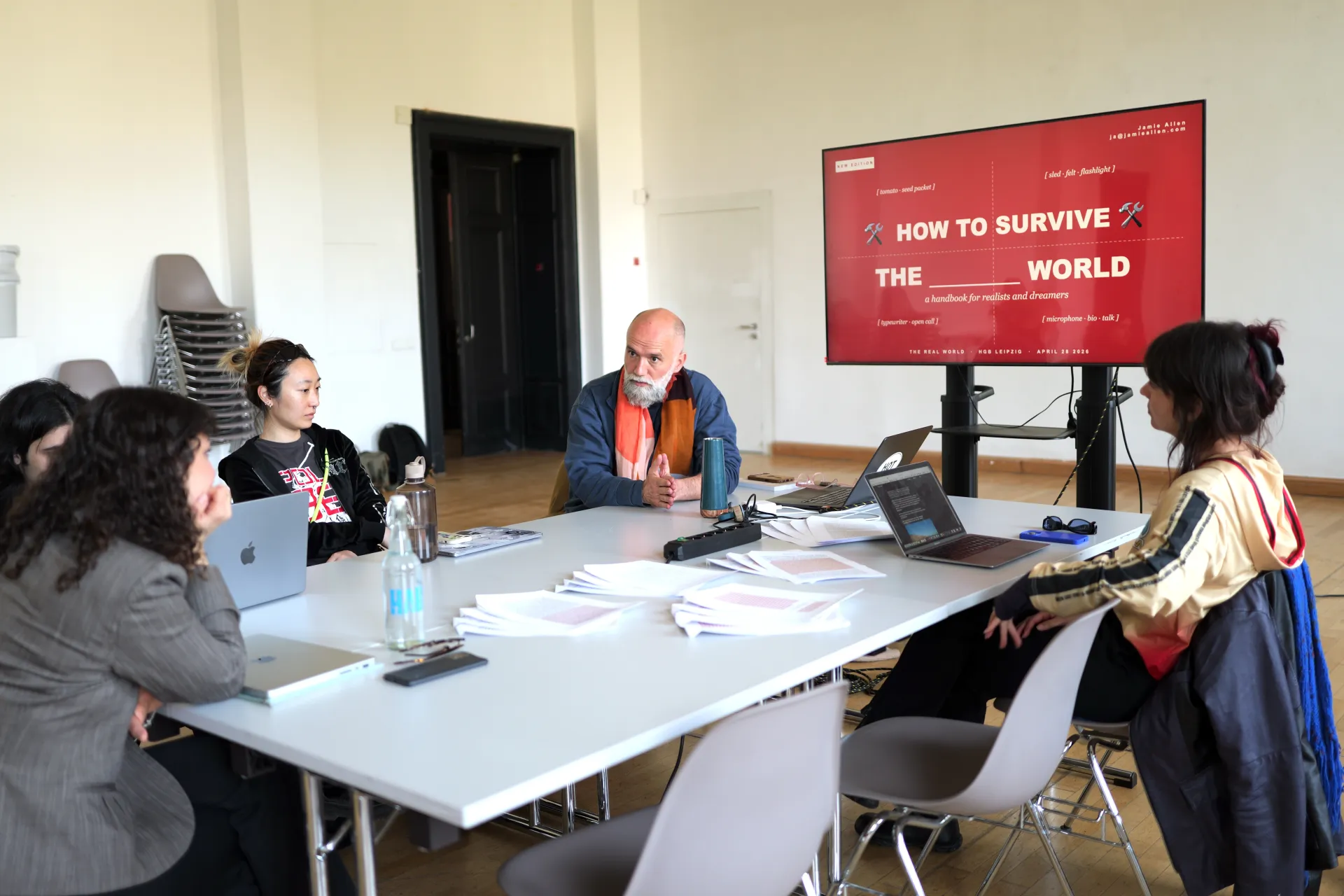
This Workshop deals with artistic survival, creative infrastructure, and the strange forms of language that shape contemporary practice. Beginning from survival in its widest sensewe trace the hidden supports and pressures beneath a “creative practice”, and then move into the formats we are all endlessly asked to perform: bios, statements, proposals, open calls, applications, portfolios, instagram, talks.
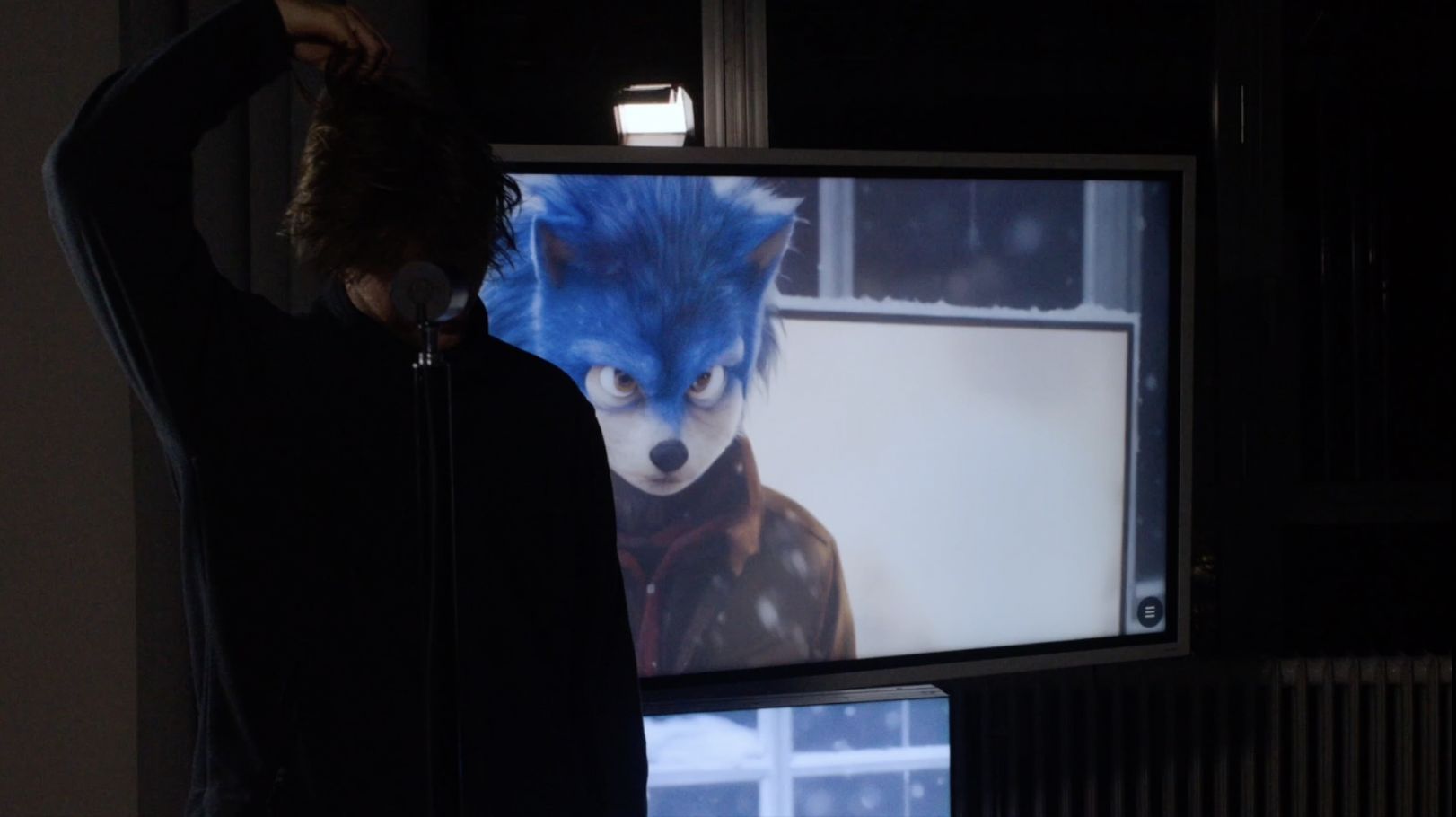
Hands on Open Source AI - Workshop with Niels Gercama: This workshop offers a practical introduction to creating images and videos with ComfyUI and AnimateDiff and shows how open source AI tools can be flexibly combined. The aim is to build a basic understanding of open source AI and to acquire the skills to develop simple workflows independently. In cooperation with Digital Materialities (Prof. Mitra Wakil / Prof. Fabian Hesse).
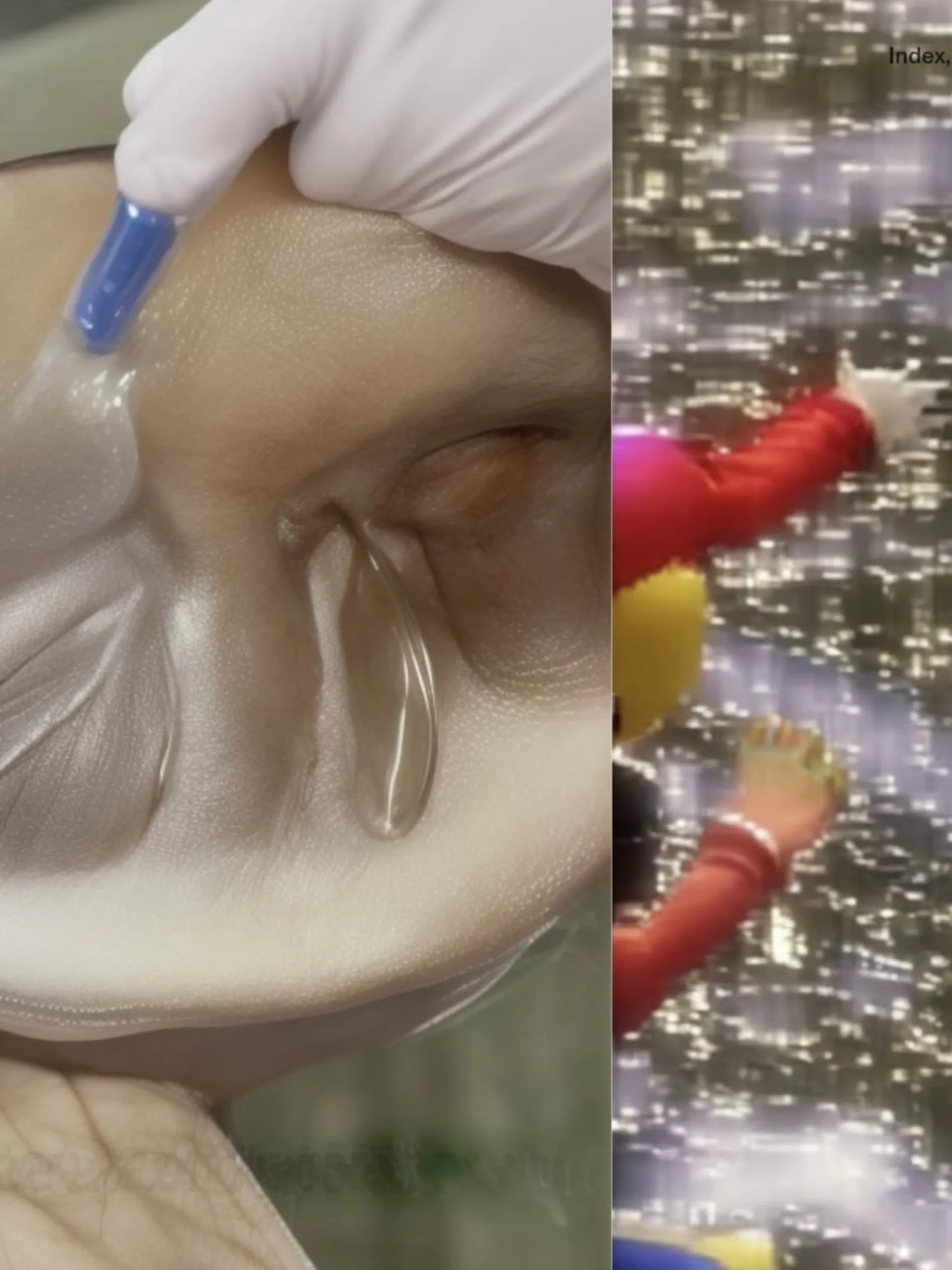
The workshop combines artistic practice with current AI research. After gaining insight into the Max Planck Institute (MPI CBS) and methods of explainable AI (XAI)—including practical analysis of models—we apply these insights to our own experiments. We work with open-source tools such as ComfyUI and develop flexible workflows for AI-assisted image, video, and 3D production. In cooperation with Digital Materialities (Prof. Mitra Wakil / Prof. Fabian Hesse).
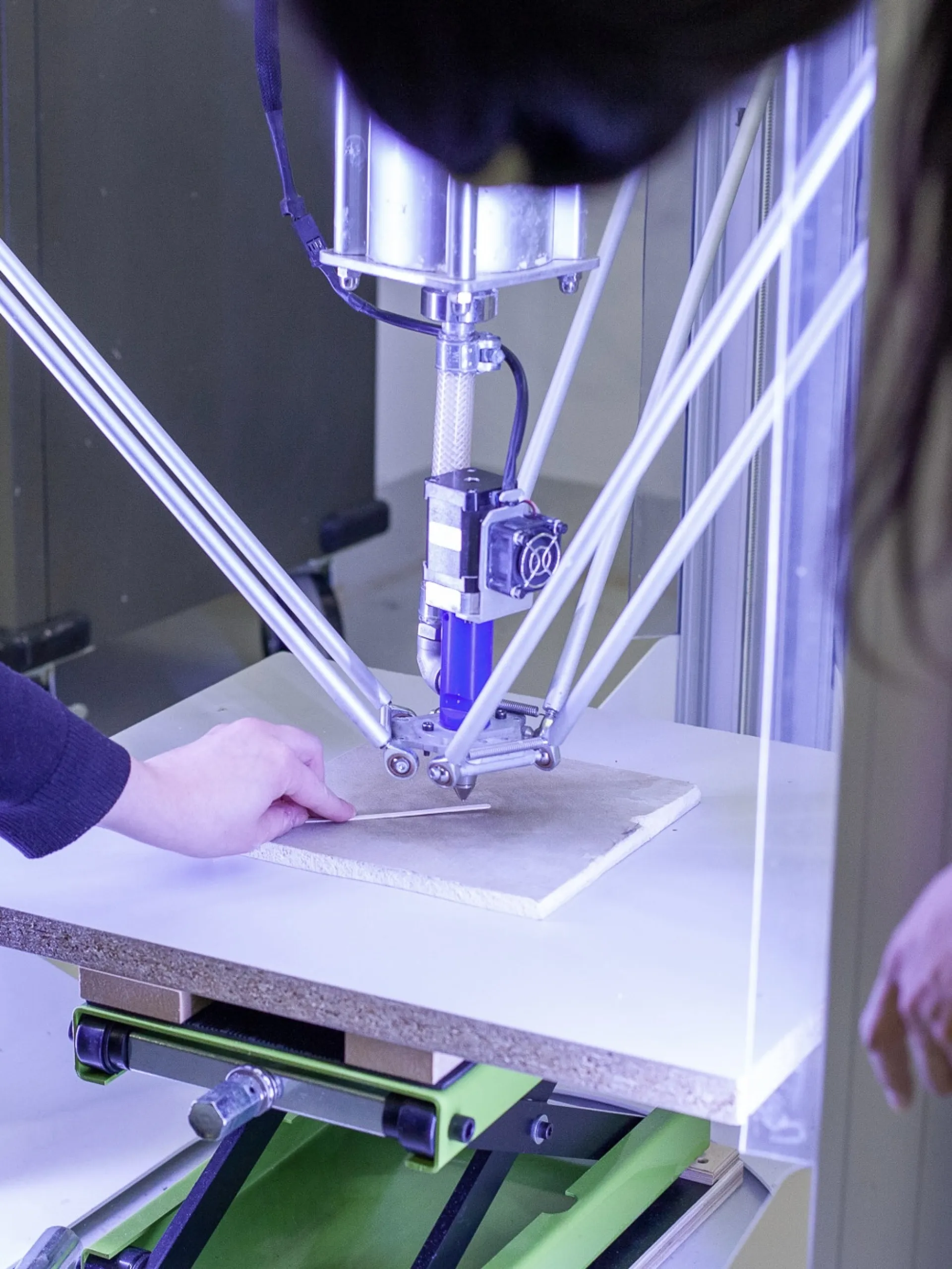
Enorê is coming to the HGB for Clay Printing Week! Enorê works primarily with 3D-printed ceramics and uses clay as a catalyst to explore how digital data can be conveyed through physical processes. The focus is on the materials' ability to absorb, erode, and reconfigure shapes. In cooperation with Digital Materialities (Prof. Mitra Wakil / Prof. Fabian Hesse).
![[self]-publishing practice with Katrin Mayer](/f/698072d147.webp)
This module presents [self]-publishing as a collaborative, digital, and experimental practice: reading, writing, assembling, and publishing as artistic tools. Katrin Mayer uses projects such as c0da.org to demonstrate working methods and processes, as well as the interactions within and through collaborations and infrastructures (of being and becoming public). In cooperation with Typography Class (Prof. Anna Lena von Helldorff / Andre Grau).
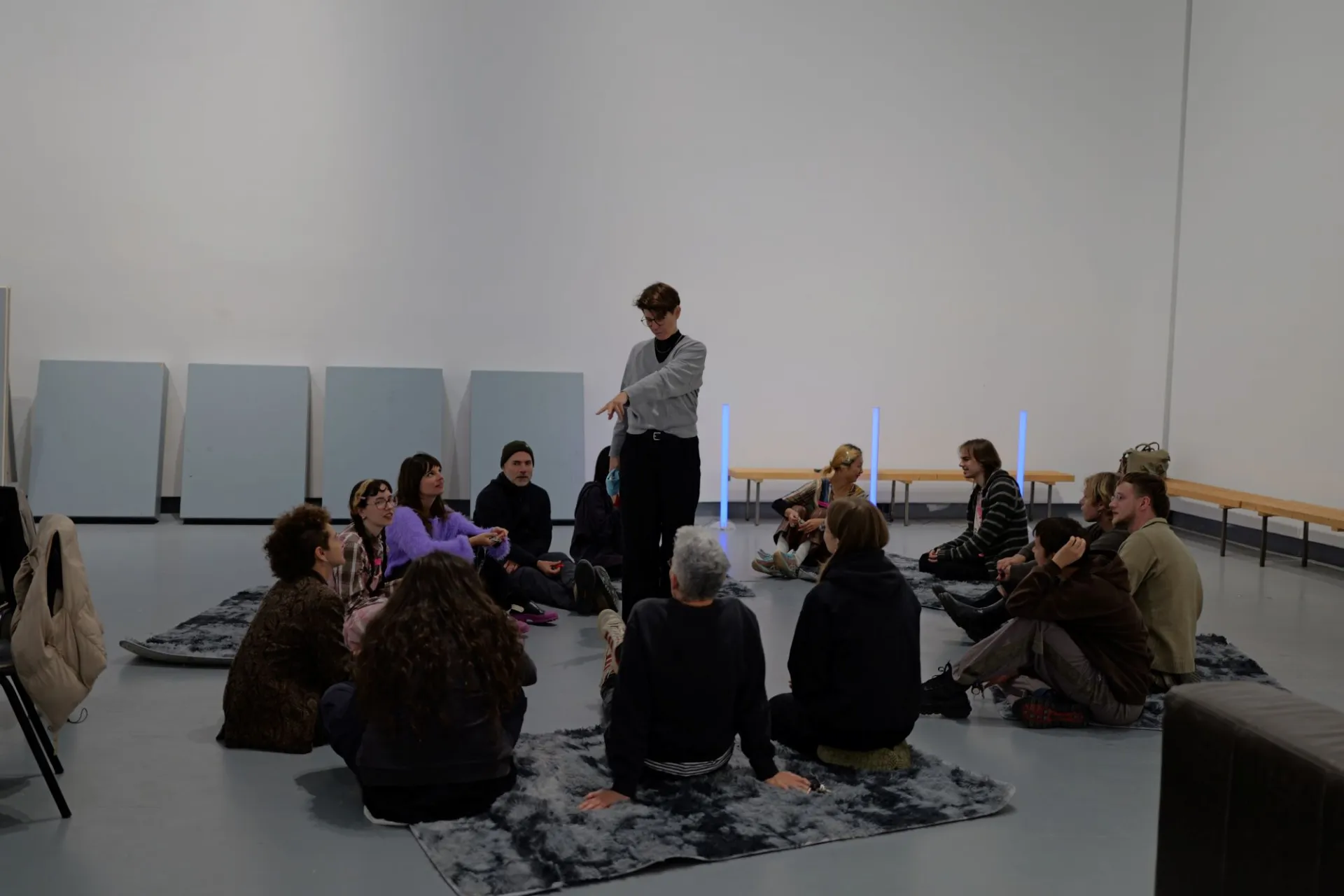
The workshop focuses on voice in resonance and space. Anna Schimkat, a visual artist, explores sound art through installations and performances. Using self-made instruments and field recordings, she creates spaces that sharpen perception and invite interaction. In Kooperation with SoundArtLab (Prof. Max Schneider).
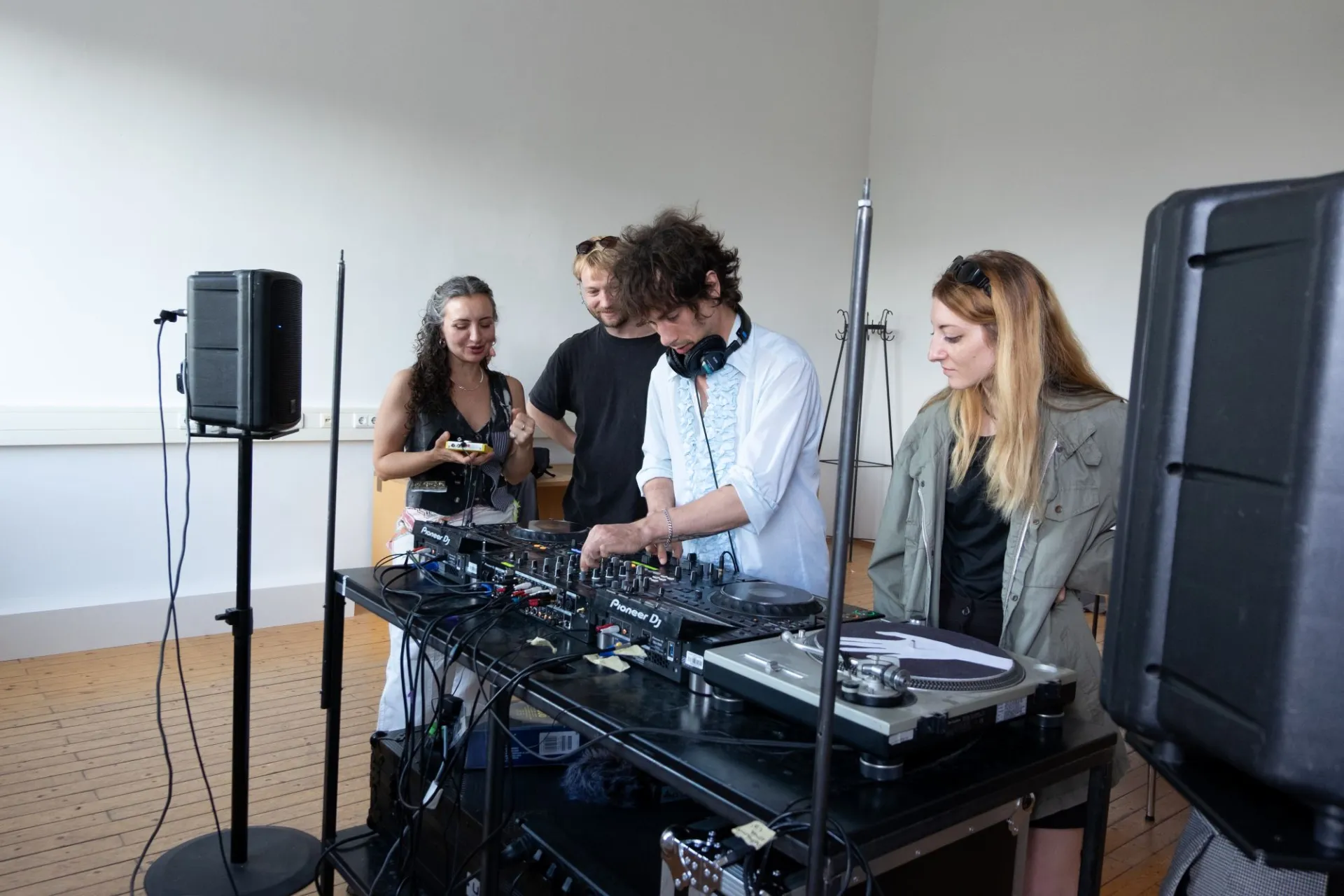
Exploring digital sound editing as an artistic practice: The lab invites students to develop their own audio practices at the intersection of sound art, improvisation, and expanded performance. Participants work with DJ setups, loop stations, field recordings, and audio effects at the intersection of sound art, improvisation, and expanded performance. In cooperation with SoundArtLab (Prof. Max Schneider).
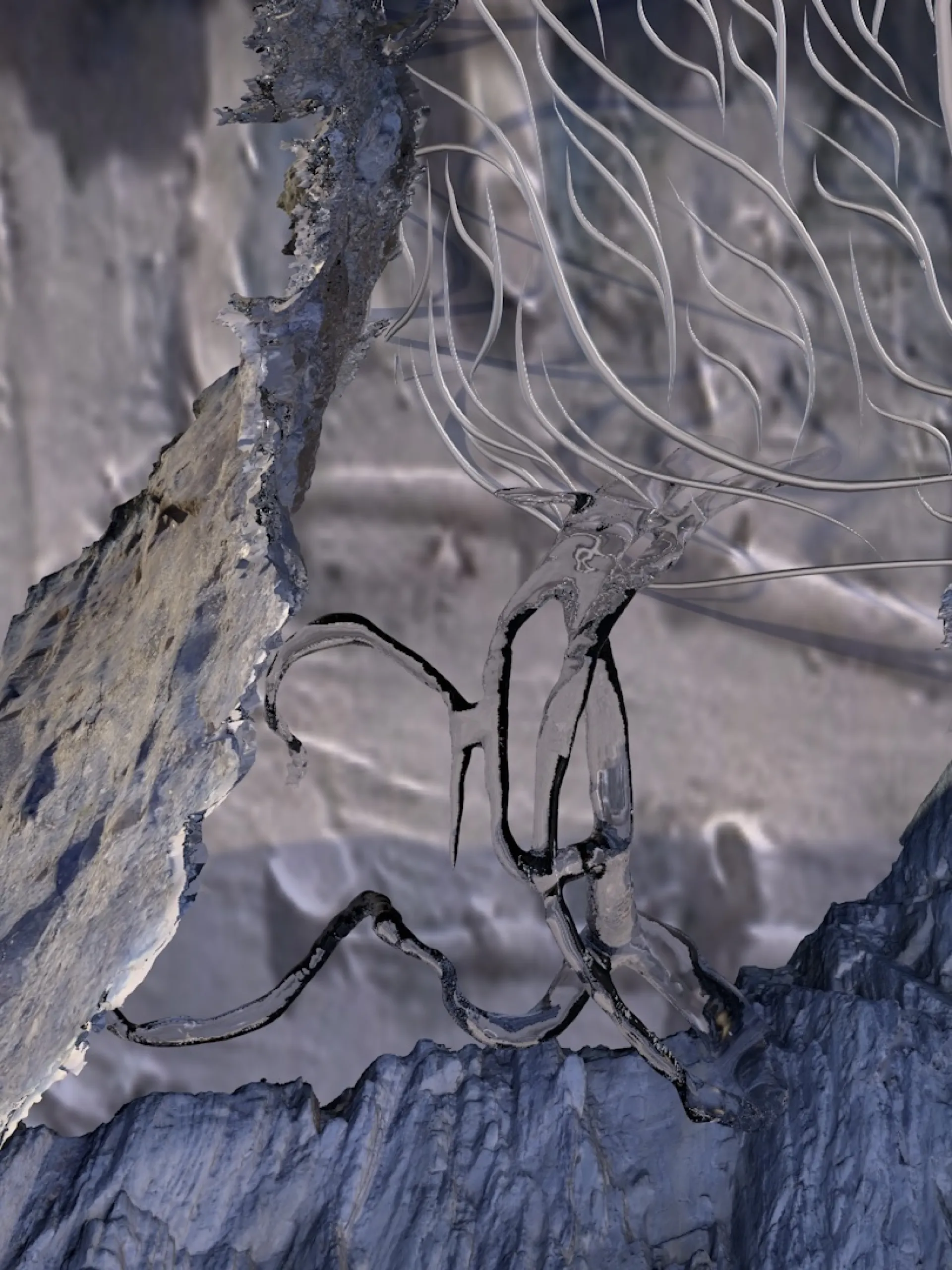
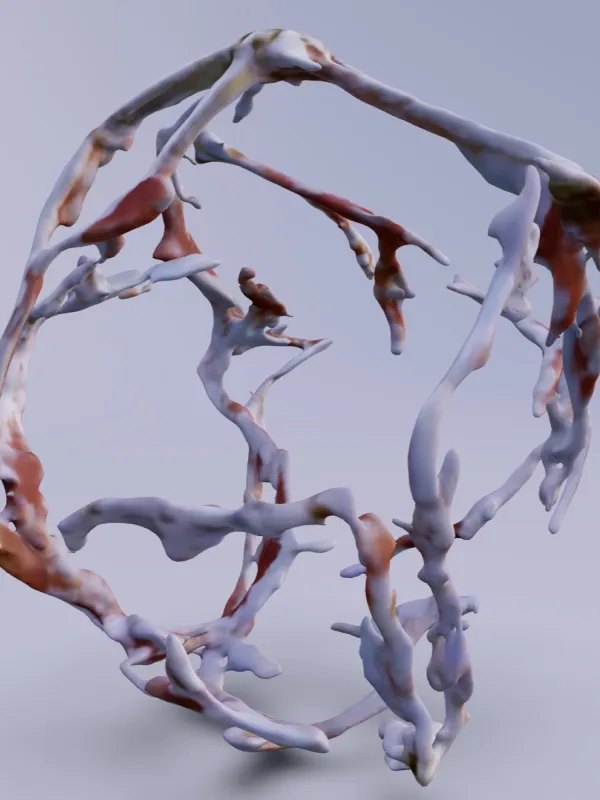
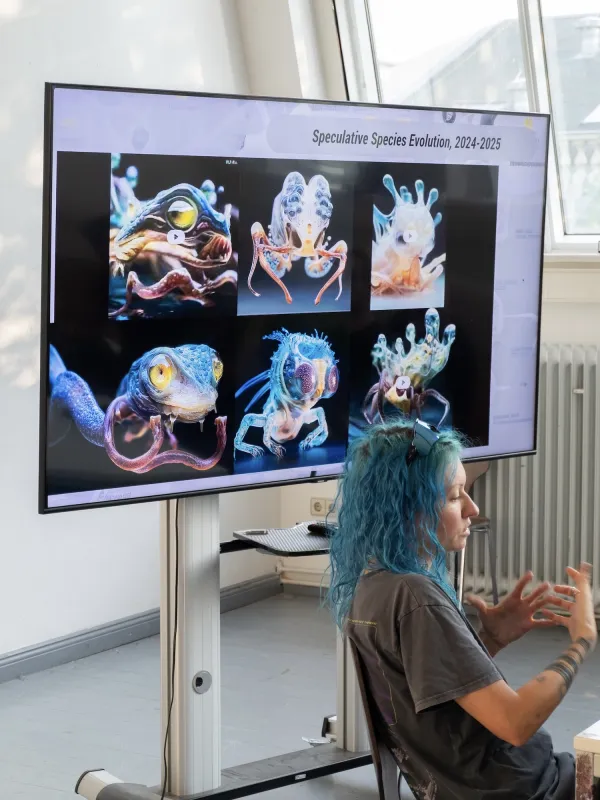
In this seminar, the artist duo HUNITI GOLDOX invites participants to explore digital reenactment as a tool for reinterpreting historical events, myths, material transformations, and erased narratives.
Student Led Sessions
The Student-Led Sessions view students as active participants in the production of knowledge within the academy. Drawing on their own artistic practices, technological skills, and theoretical interests, they design and lead workshops, labs, reading groups, and lectures. This creates interdisciplinary spaces for collaborative learning and skill-sharing, where diverse forms of expertise are brought to light and established roles between teachers and learners are productively expanded.
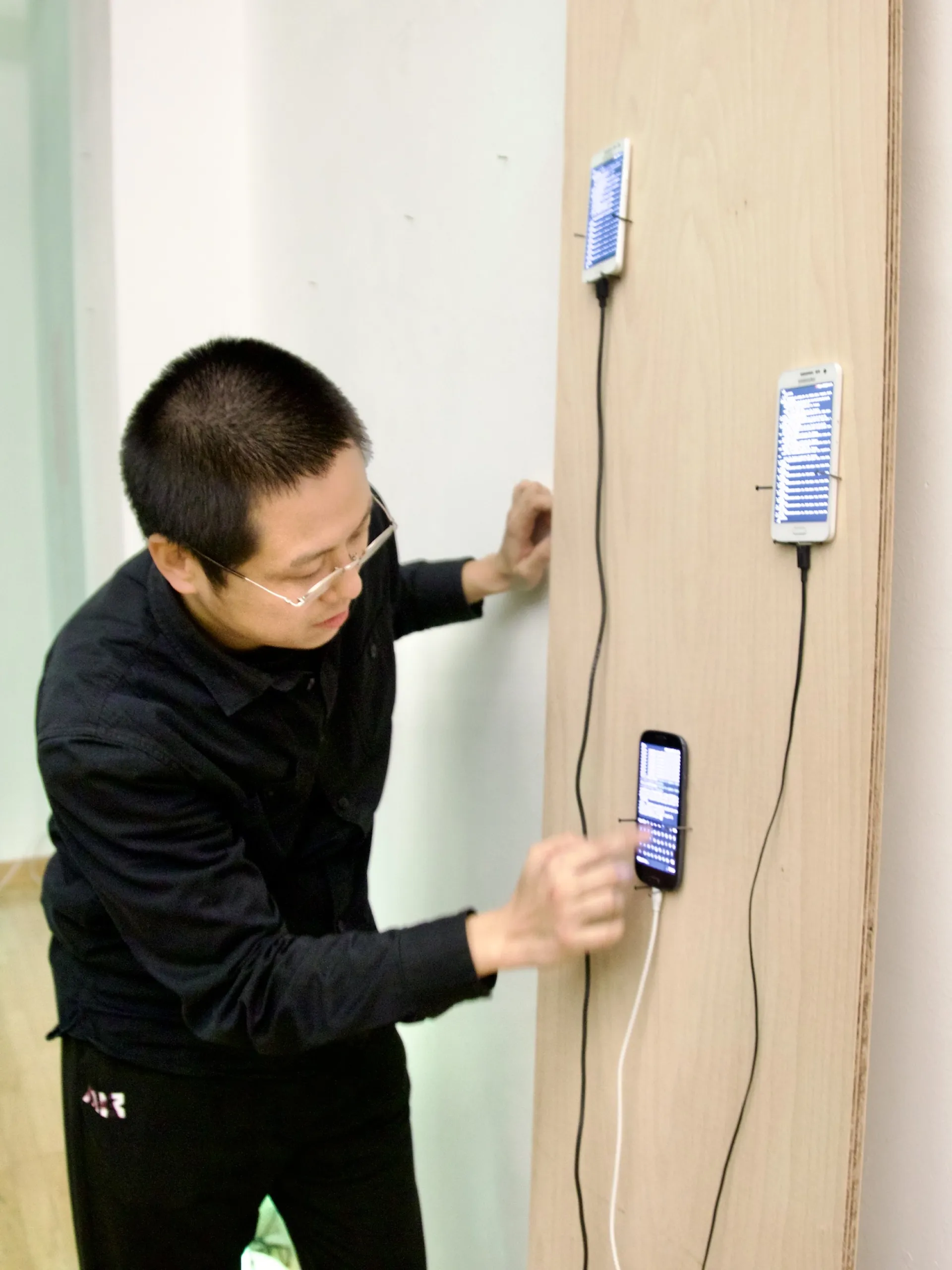
A workshop that explores Permacomputing, its aesthetics and repair culture by self-hosting servers through repurposing obsolete smartphones. With technical guidance and conceptual framing, participants will develop practical skills to install an open-source operating system (PostMarketOS) and self-host their applications with Nginx.
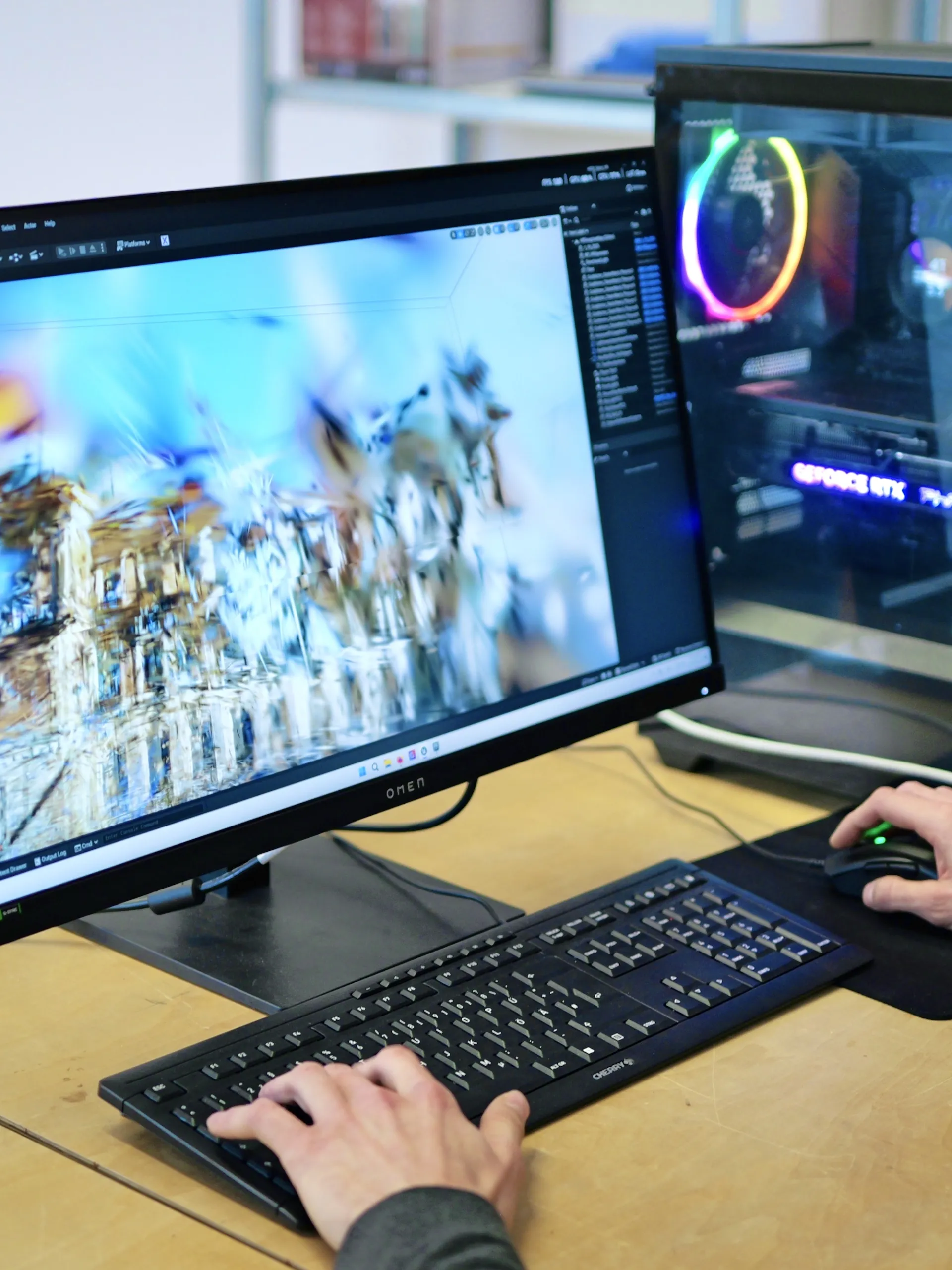
The Game Lab offers a hands-on introduction to the creation of immersive worlds. Over the course of four two-day modules, students will learn to use tools such as Polycam (a 3D scanning app) and the Unity development platform, exploring how these can be integrated into their own artistic practice. The focus lies on the conceptualization and realization of narrative environments and on examining interactivity as a form of artistic expression.
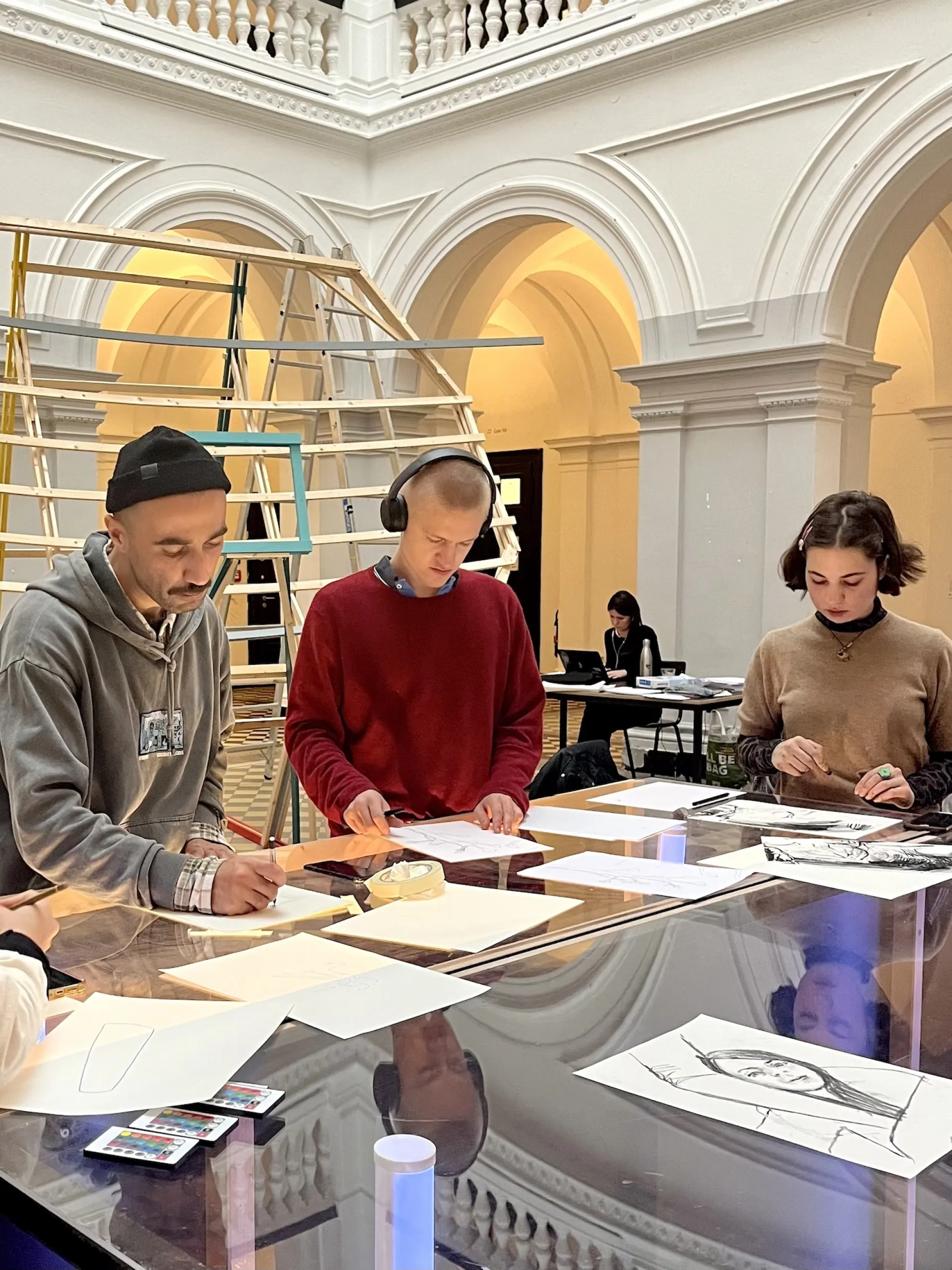
In the ‘Data Rescue Project’ workshop, we want to ‘back up’ data that we consider valuable from a personal, historical or social perspective in analogue form. We create experimental analogue animations using these tools and techniques: Drawing, Collage, After Effects and Reaper. All of the participants’ work is compiled into a collective piece and exhibited at an opening event at Lichthof.
Liquid Coding
Liquid Coding is a self-organized coding space at the HGB that enables collaborative and reflective engagement with programming practices. In an open co-learning studio setting, it offers opportunities to deepen technical knowledge and critically discuss the political and social implications of coding. The sessions are accessible to all levels of experience.
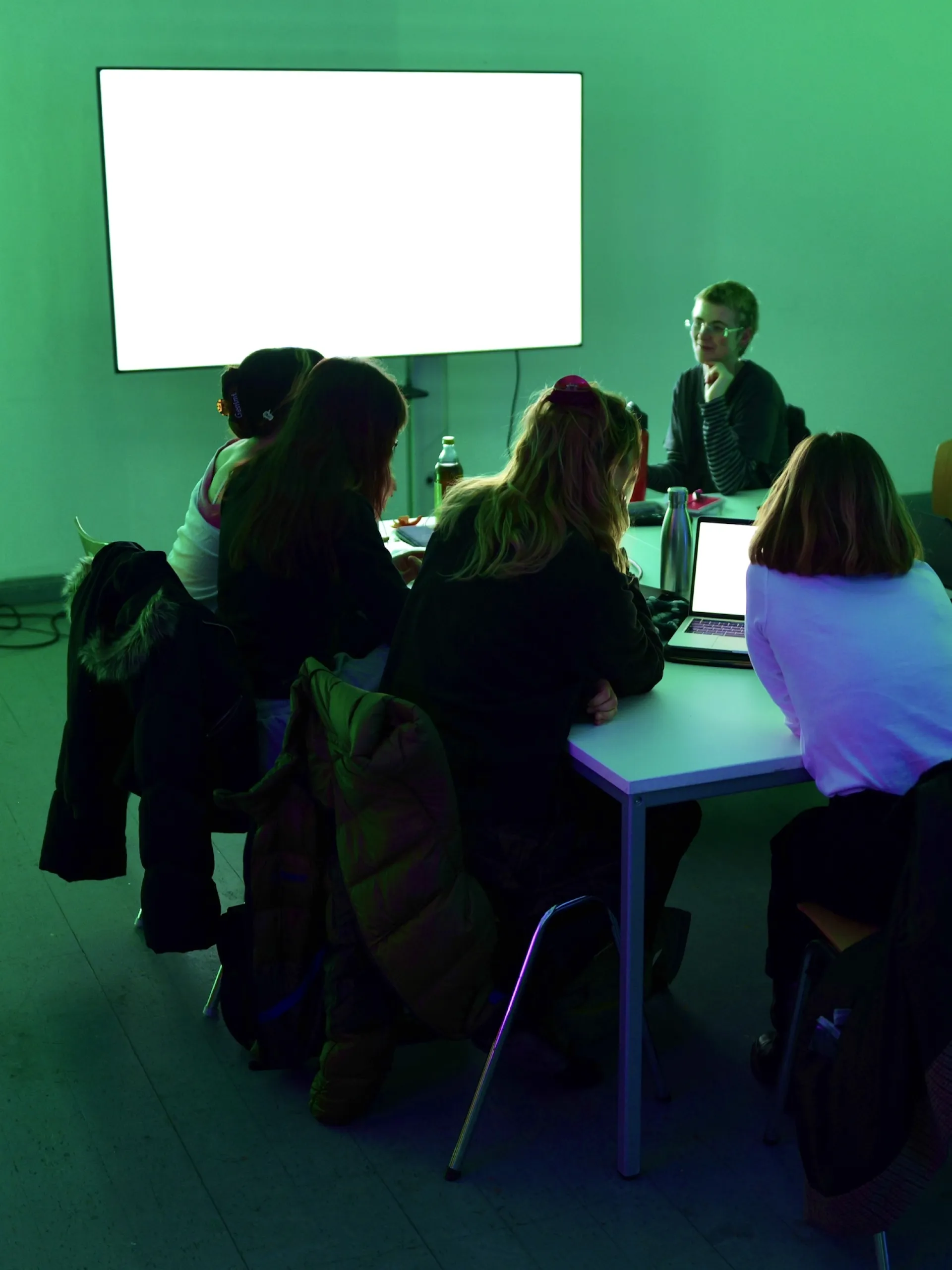
The idea of coming together in order to learn more about coding as beginners sparked from a Permacomputing workshop, where we explored how minimal hardware and open-source systems can enable sustainable, cost-efficient, and creative approaches to computation. There are no skills required to join our group!
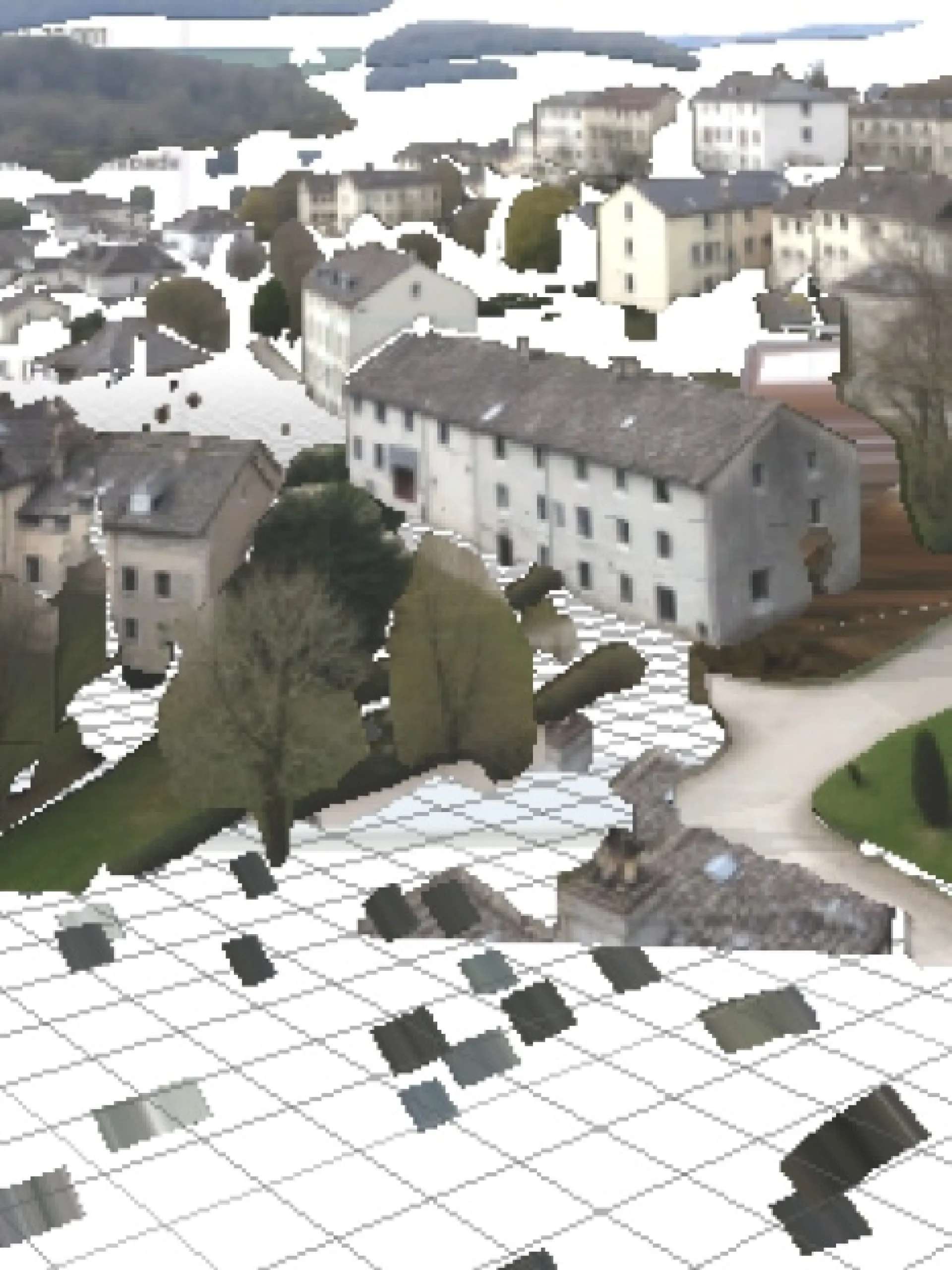
The intro for this session explores the world of GameJams, based on a collaboratively created game in the frame of the Festival Octobre Numérique. We discuss the tools, constraints, and creative process involved in building a game in just 48 hours.
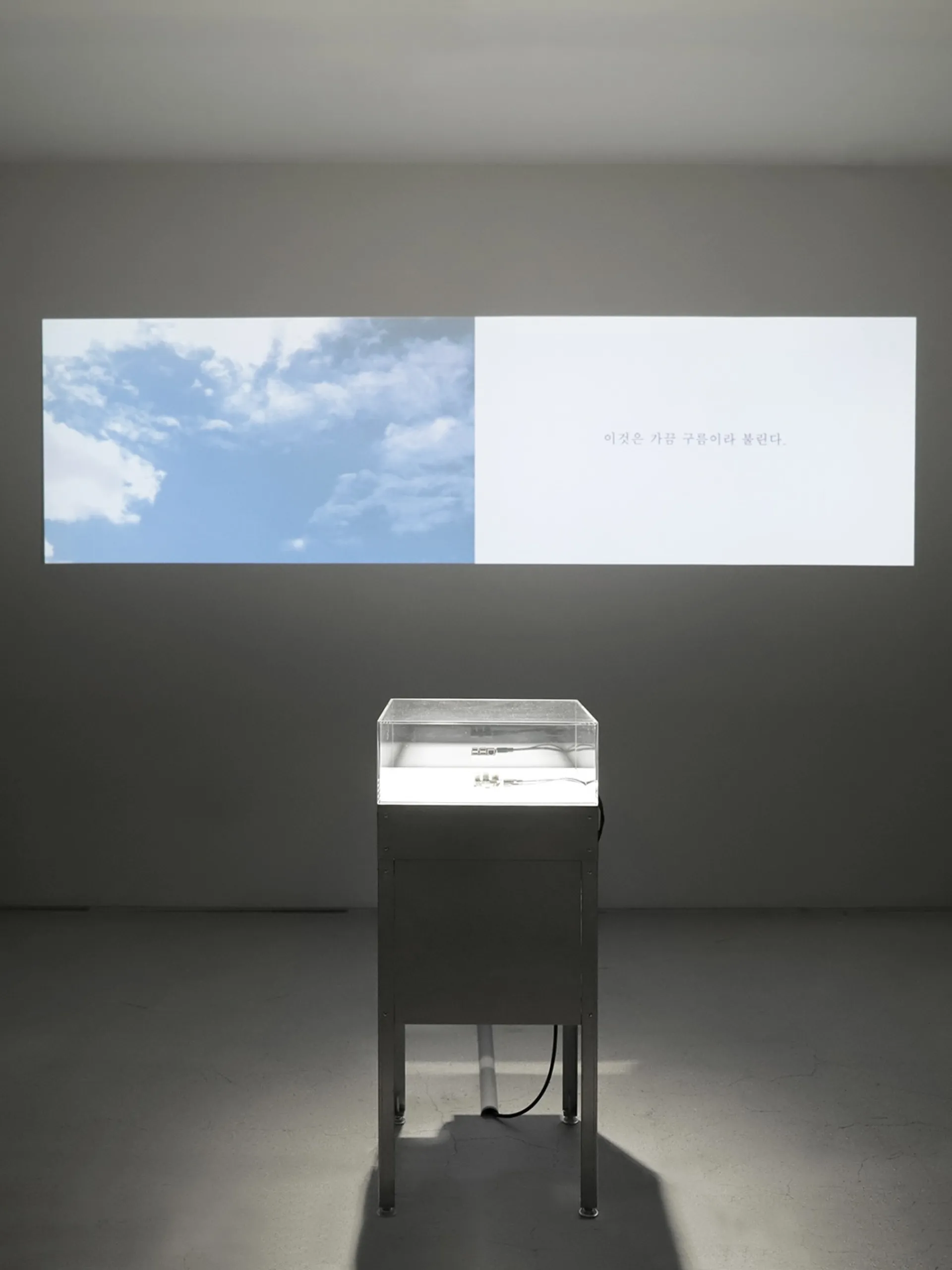
What we do? We each write and publish our own website invitations. Who are we? Students who want to begin their code writing, who already write code, who want to write code with friends, who are interested in self-publishing and more!
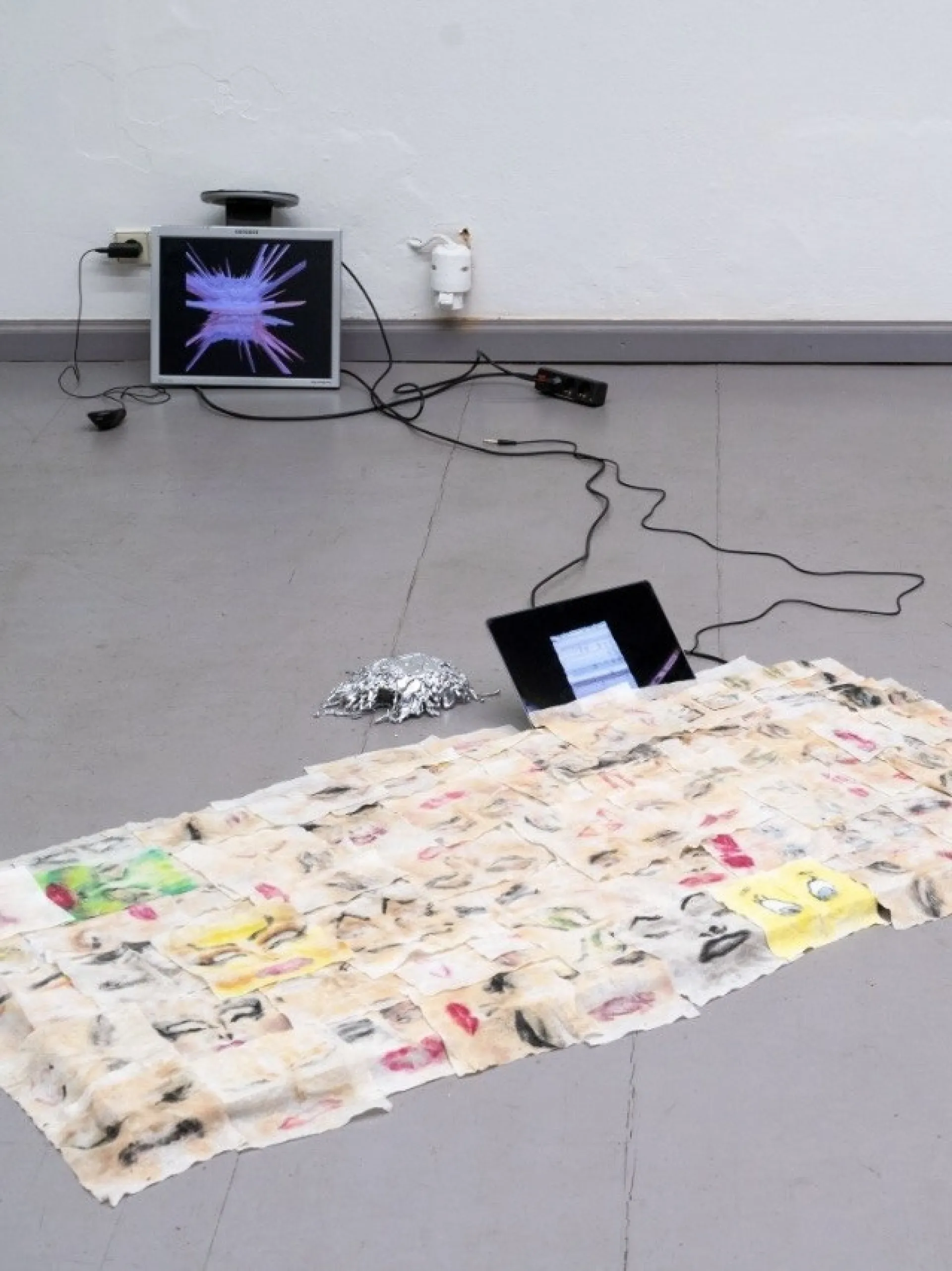
In this session of the FLINTA* Hacking Circle, participants are invited to collectively leave behind digital normativity and logics of efficiency and to experiment with new, fluid logics. We use cables.gl, a Node.js-based open-source environment for interactive real-time graphics in the browser.
Reading Group
Reading Group is an open, student-led format that focuses on collective knowledge production and critical engagement with digital transformation. In each session, different students present texts, books, and materials, which are then read, discussed, and critically examined together.
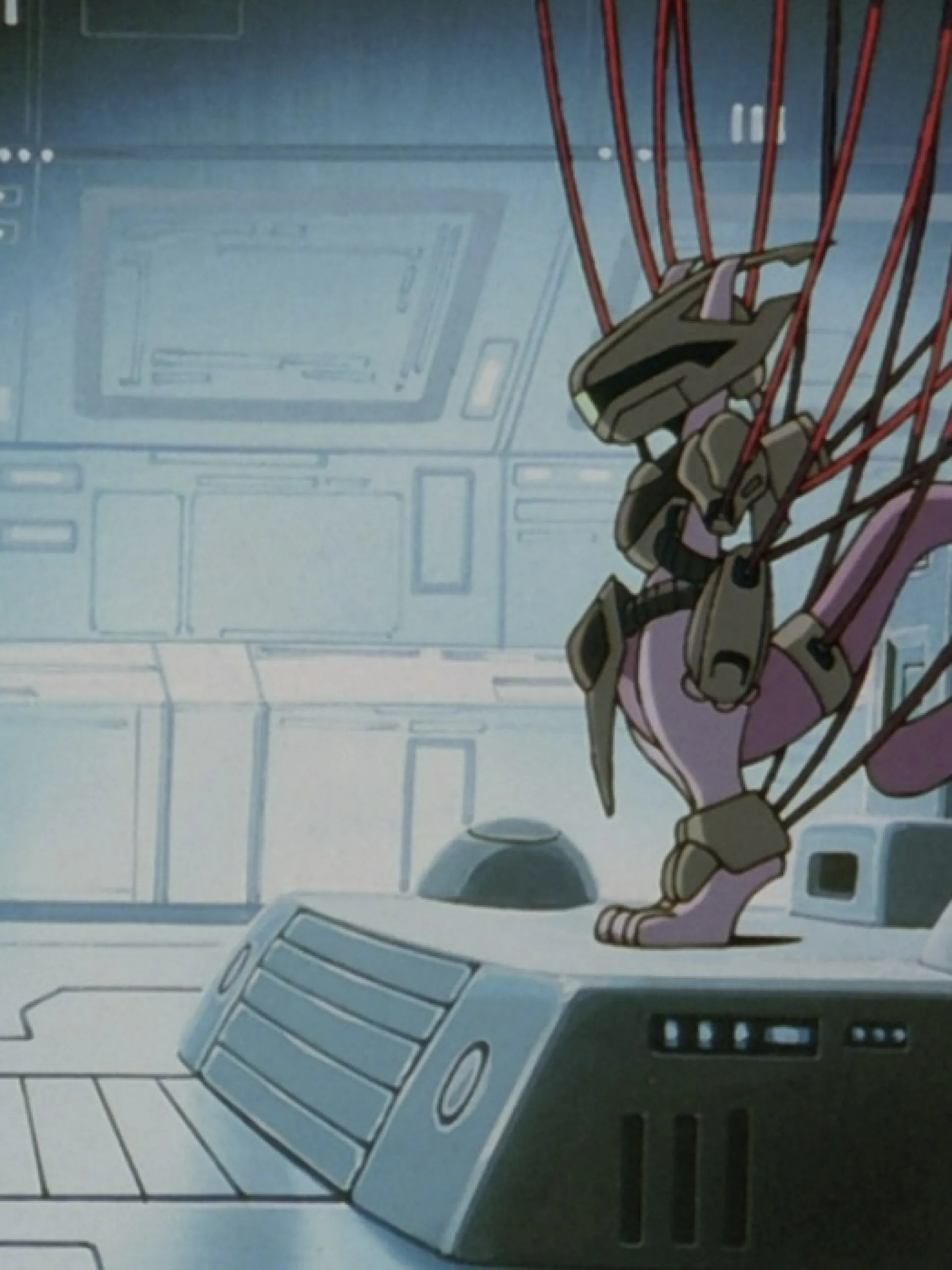
This reading session is proposing is to examine alternative models of what counts as “technology,” the kinds of worlds such technologies open up, and the ways subjects position themselves in relation to the processes of objectification and domestication that such technologies entail.
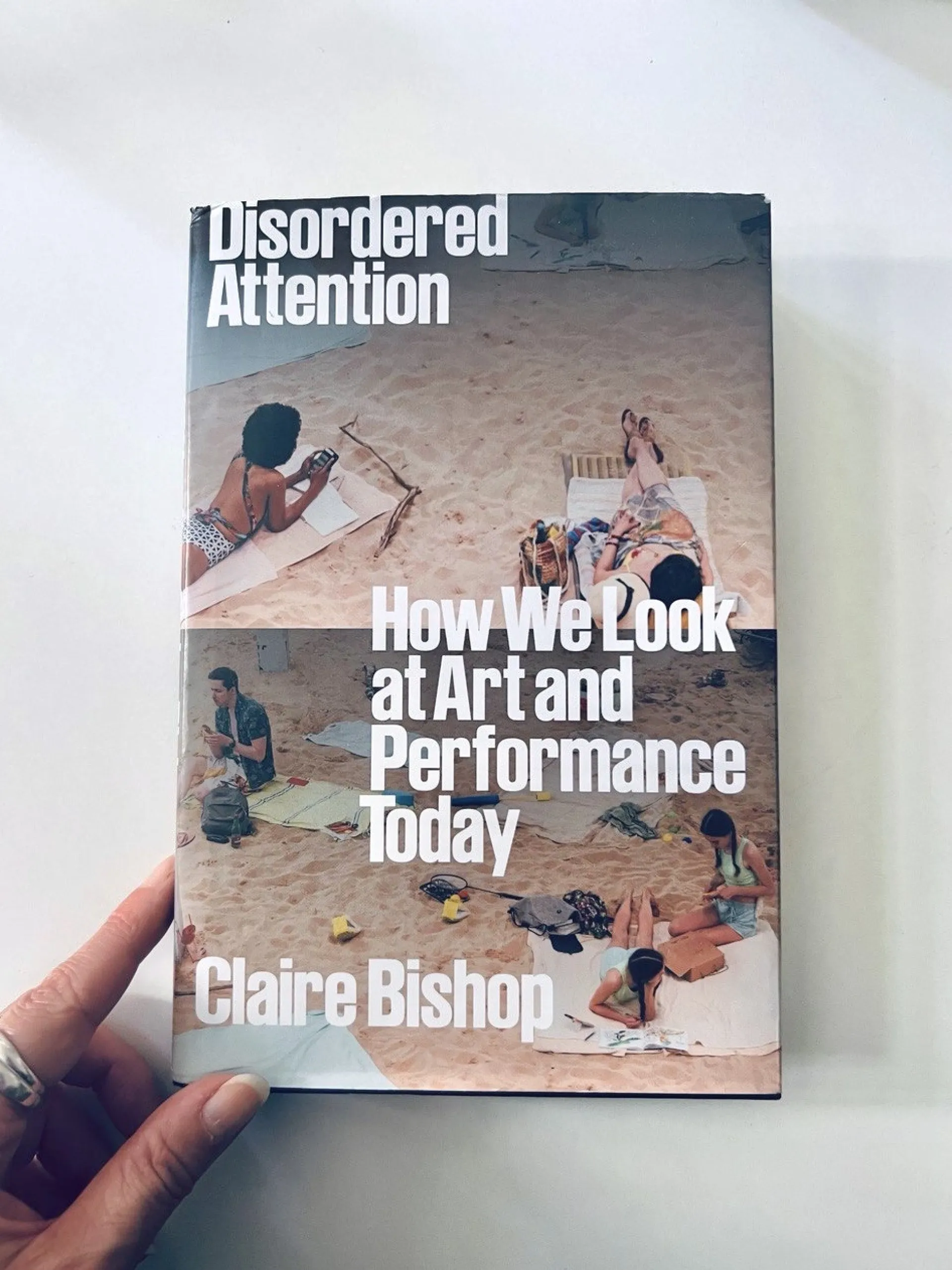
How technology and the attention economy shape contemporary art and performance: The reception of art and performance is changing. Smartphones and social media have troubled the old model of individual appreciation and close looking.
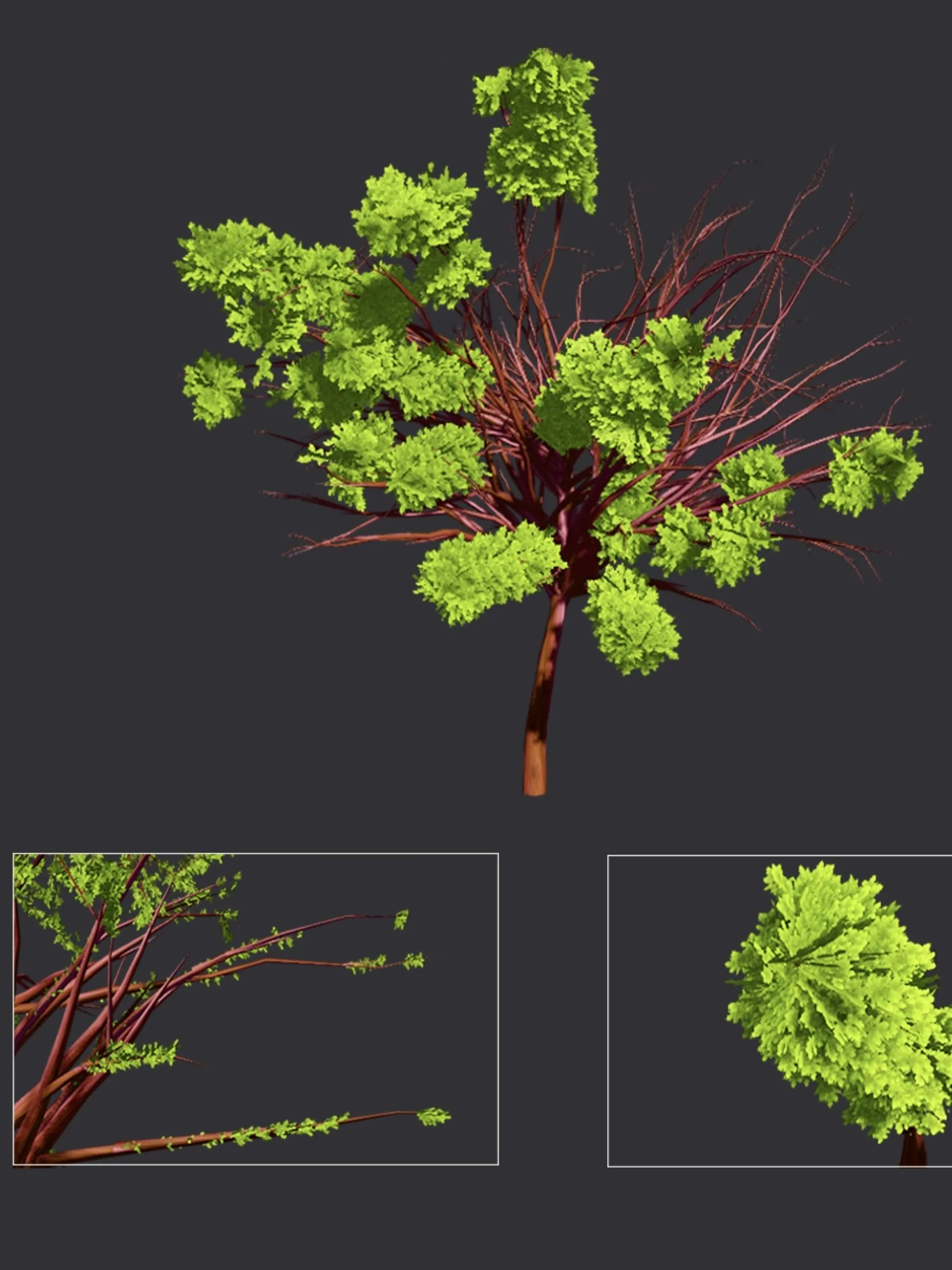
Simondon addresses his concern with the oppositional way in which technics are regarded in relation to culture. He sees the separation between the two as the cause of human’s inability to develop a more integrated relationship with its material and technical environment. The aim of the collective reading is to consider the text in relation to the technics of the present.
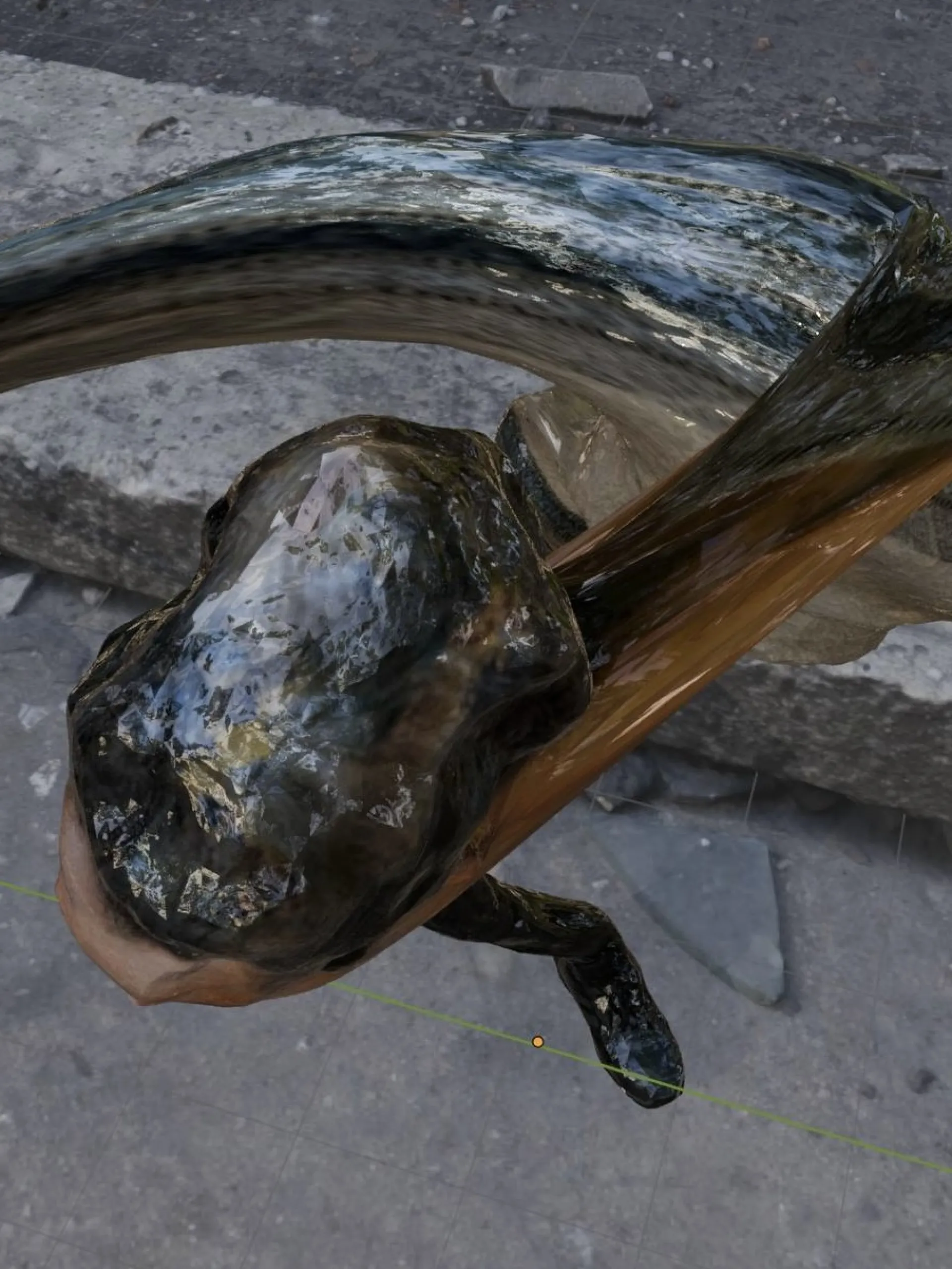
Building on Mary Flanagan’s concept of “Critical Play,” we analyze games and platforms as malleable systems that can challenge social norms through intentionally crafted, radical design. We contrast this potential with the darker side of these mechanisms: the gamification of politics and everyday life, which contributes to democratic regression.
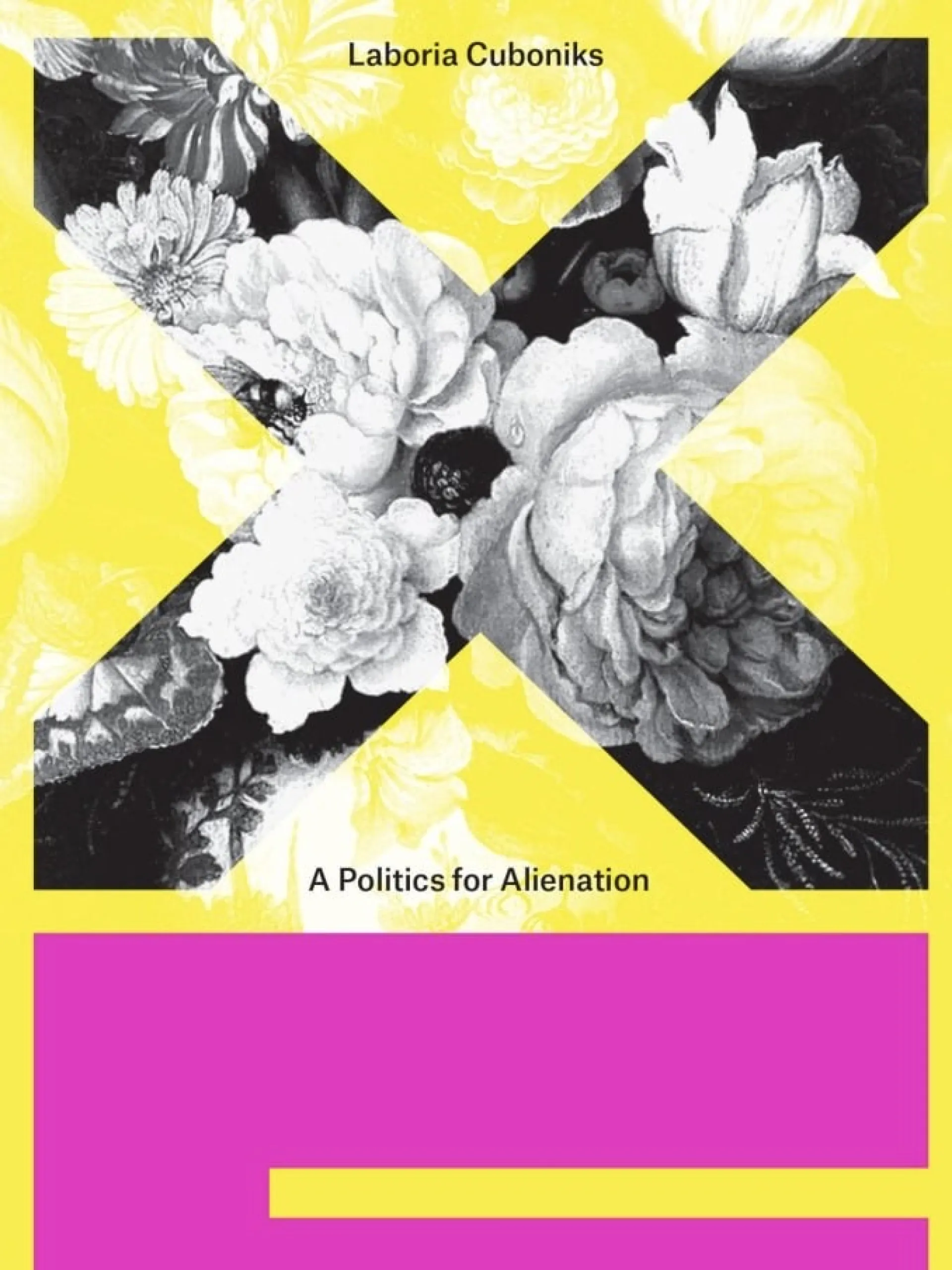
This reading group explores how feminist, techno-political, and emancipatory thought can be rethought under conditions of digital acceleration and translated into artistic practice. Today, Xenofeminism appears less as a closed theory than as an interface—one that must connect with other theories of power, (re)production, and infrastructure to become politically effective.
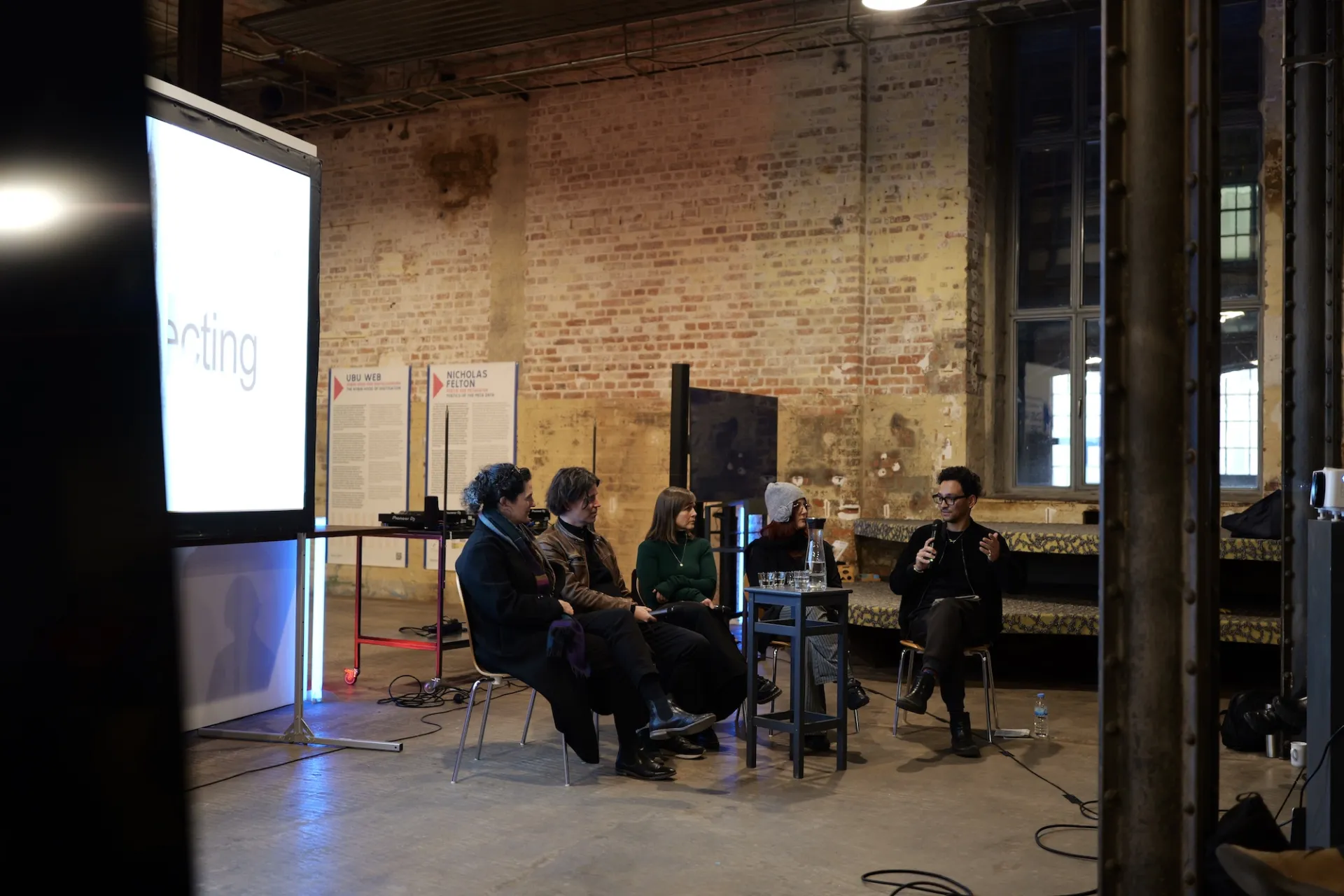
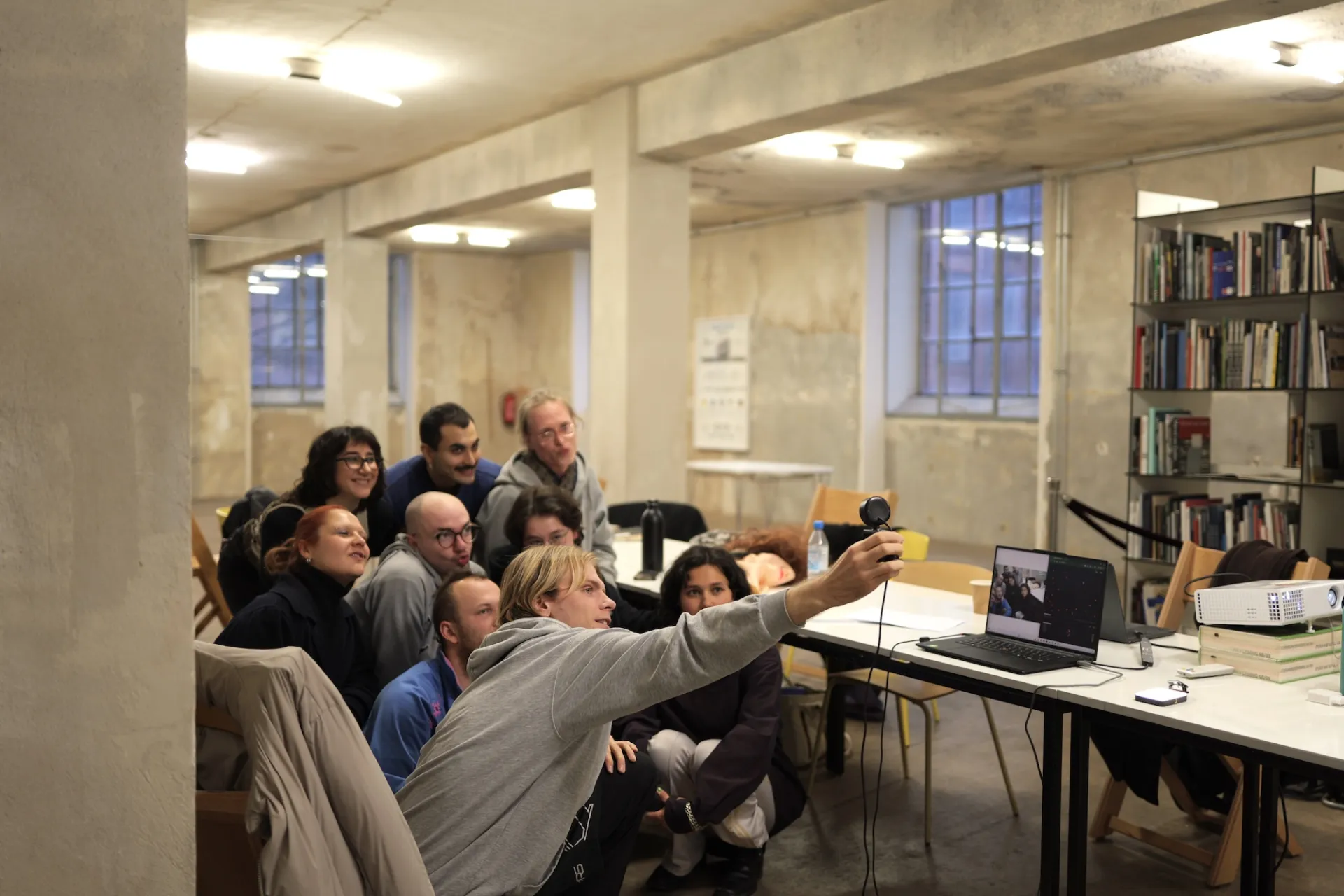
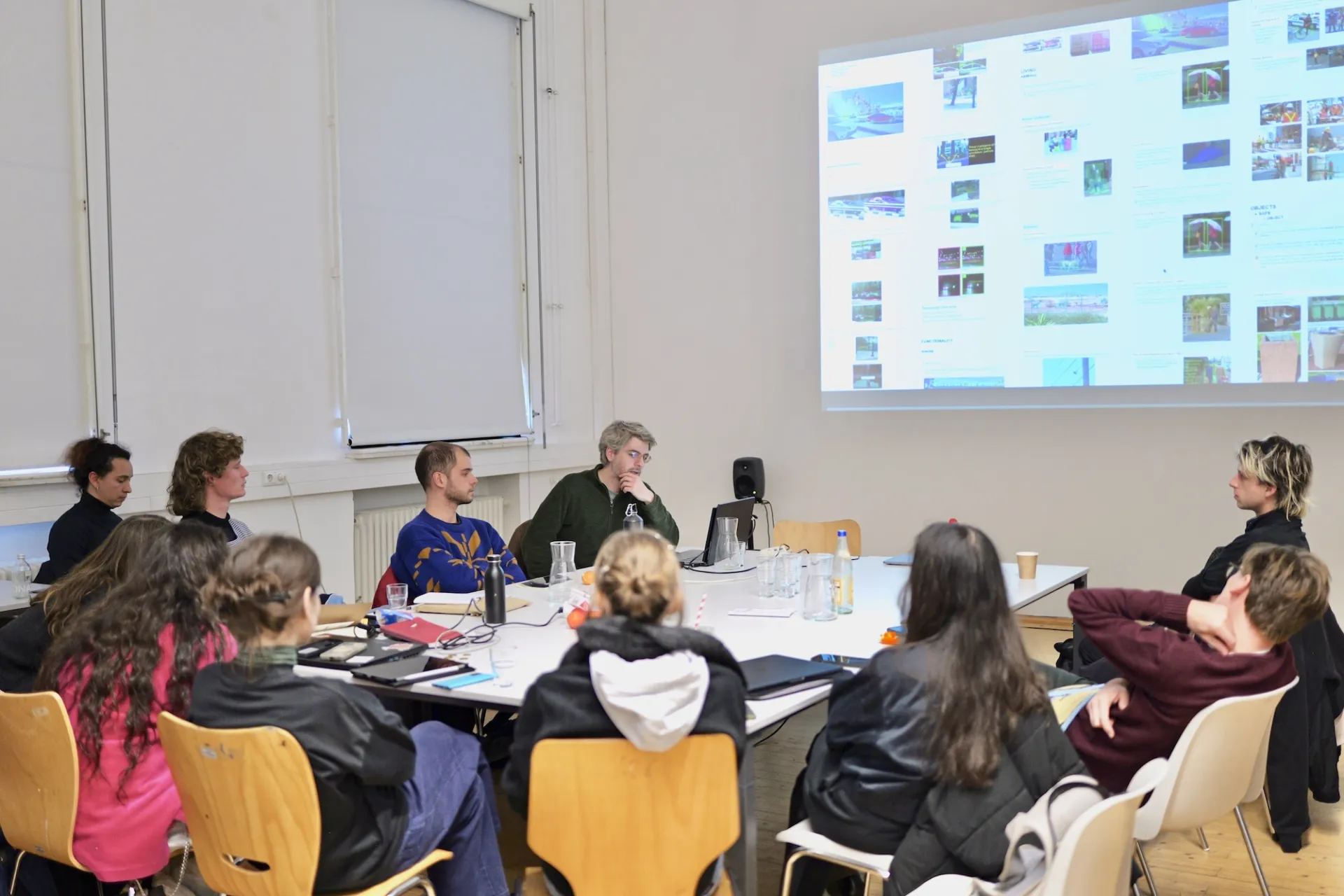
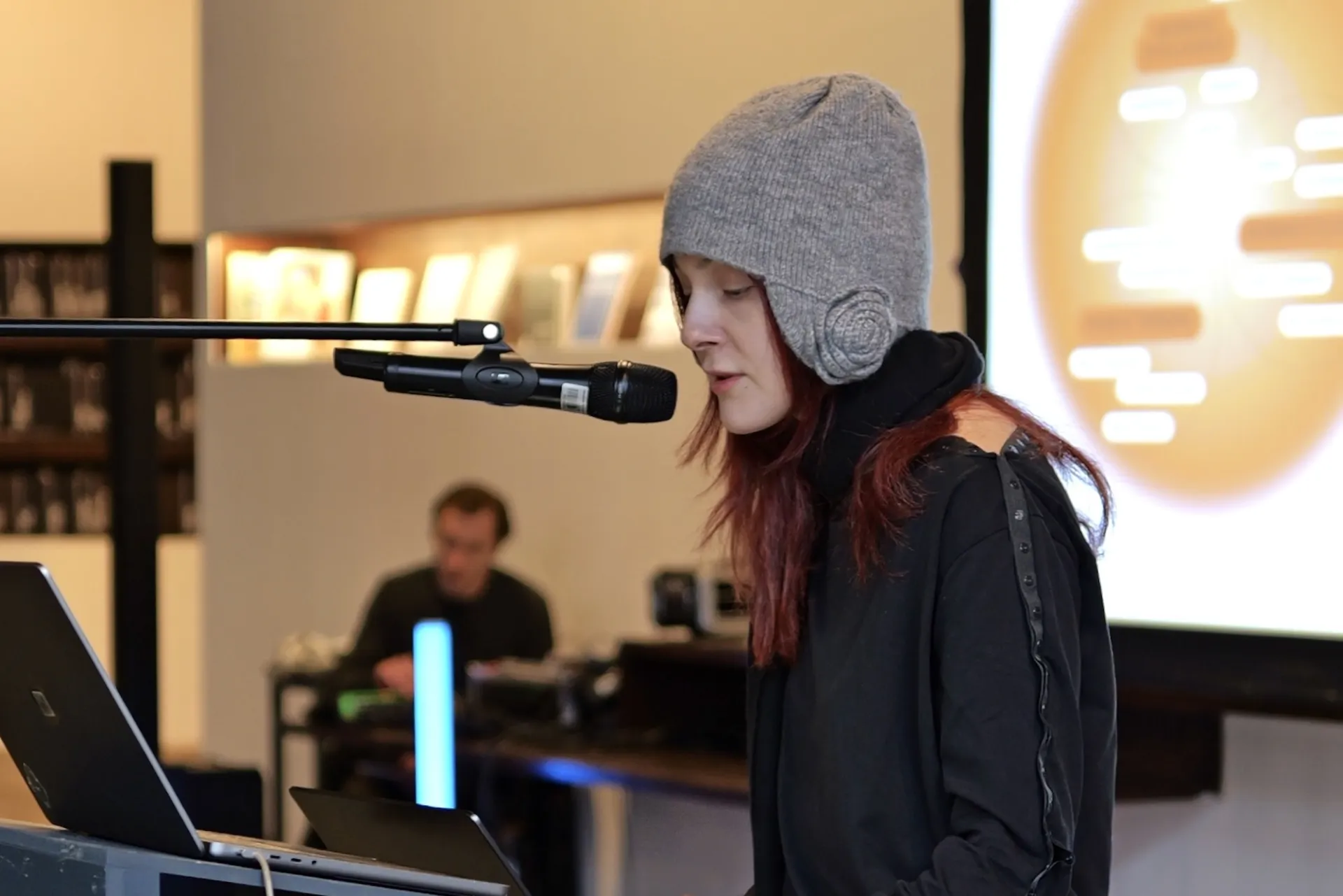
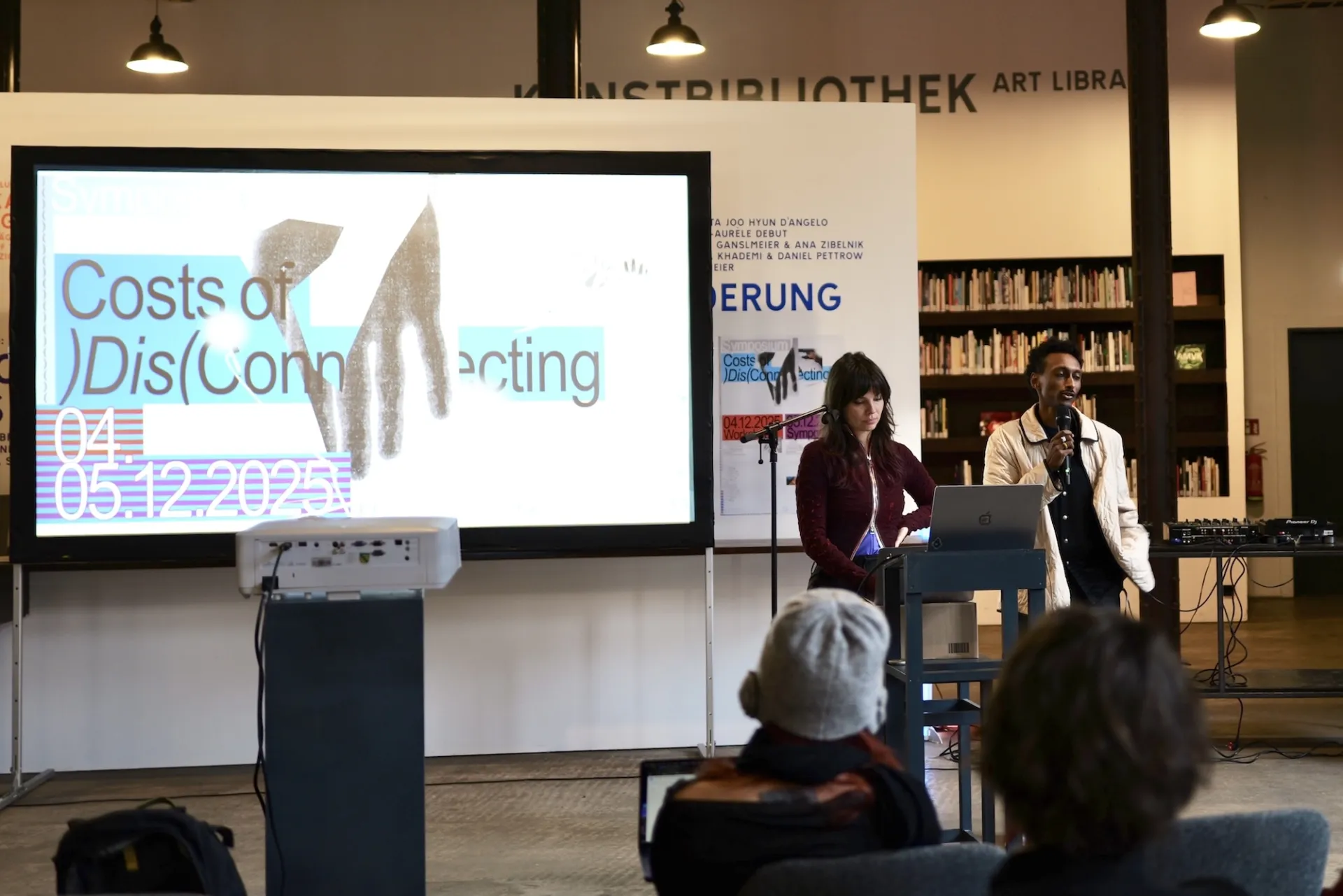
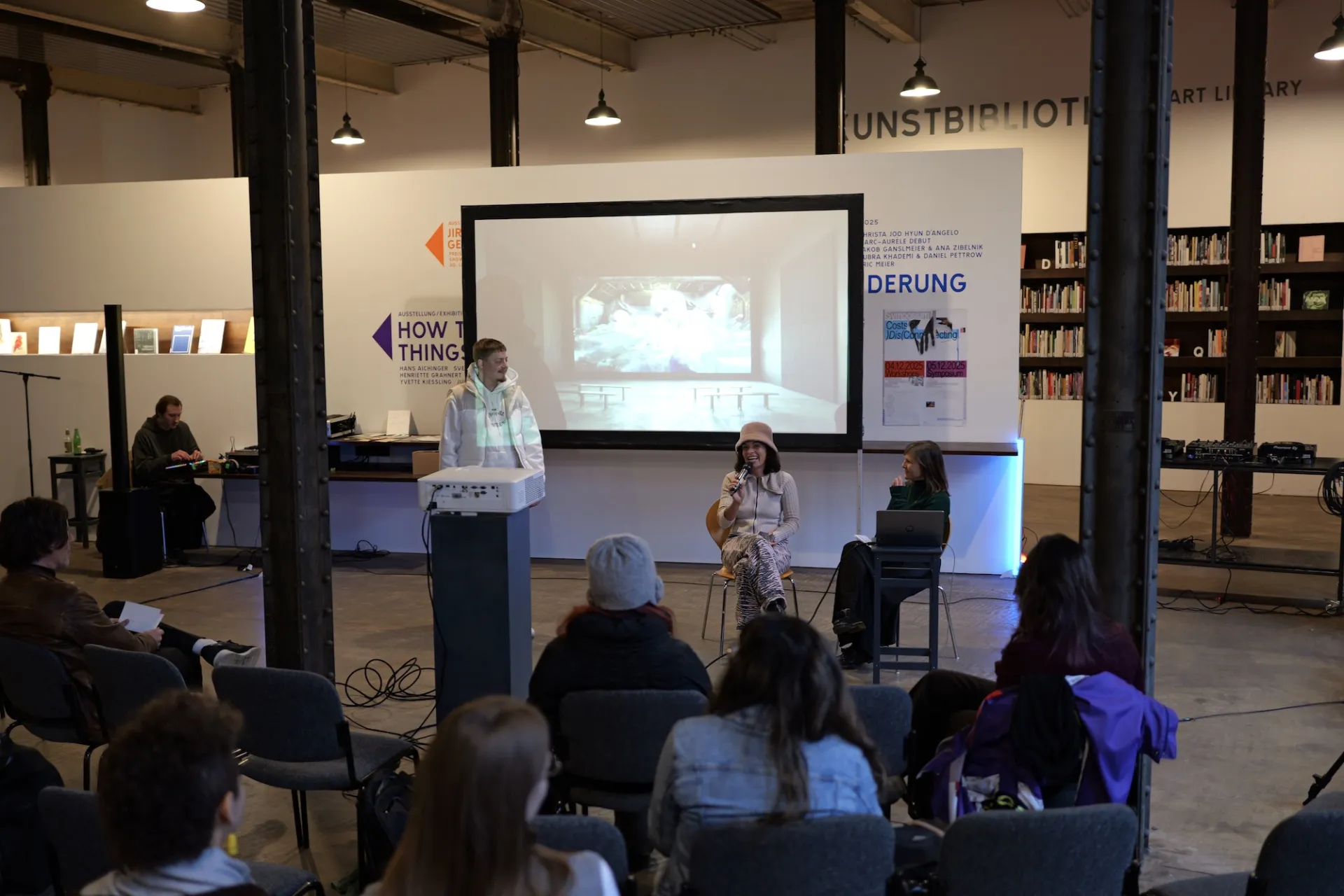
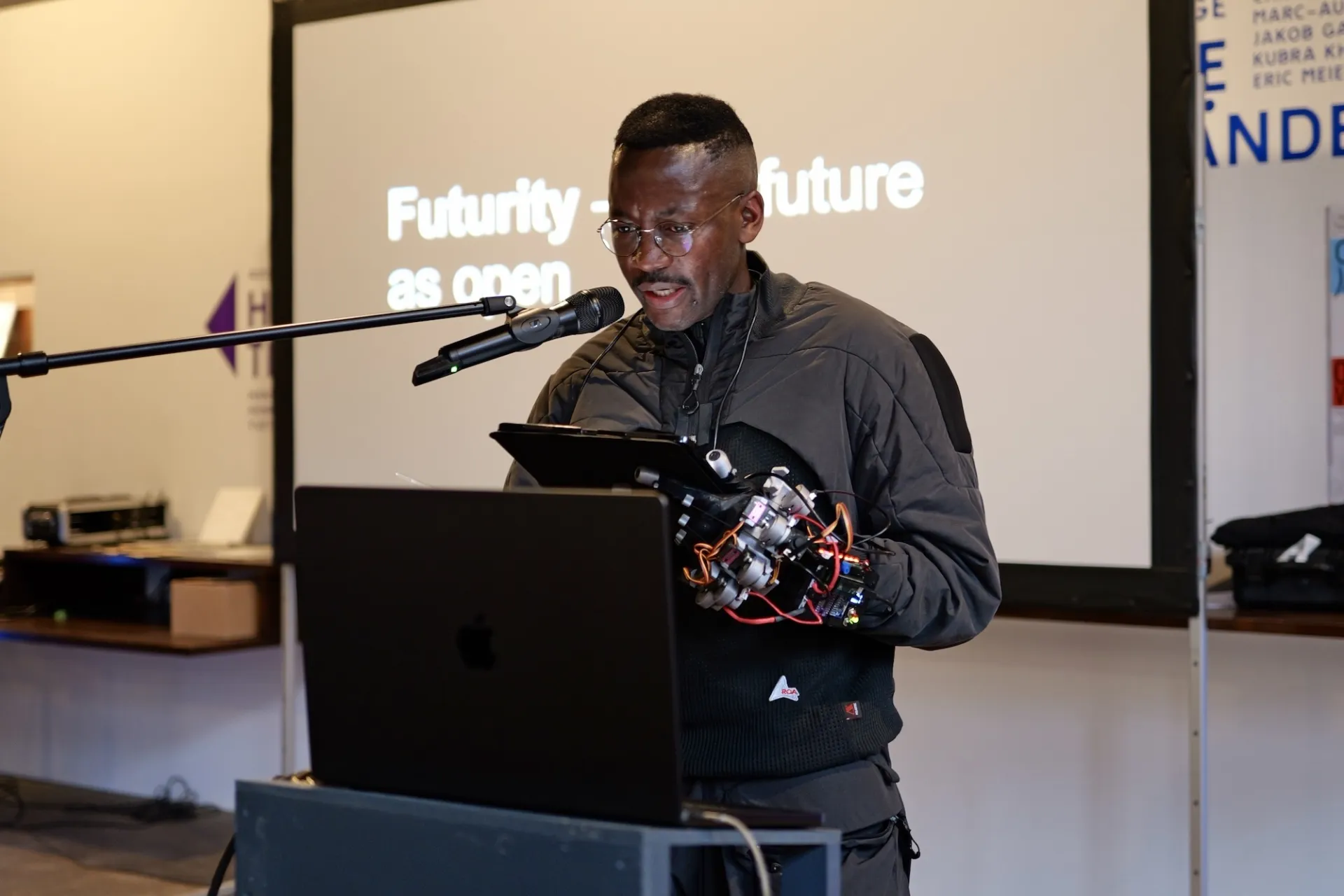
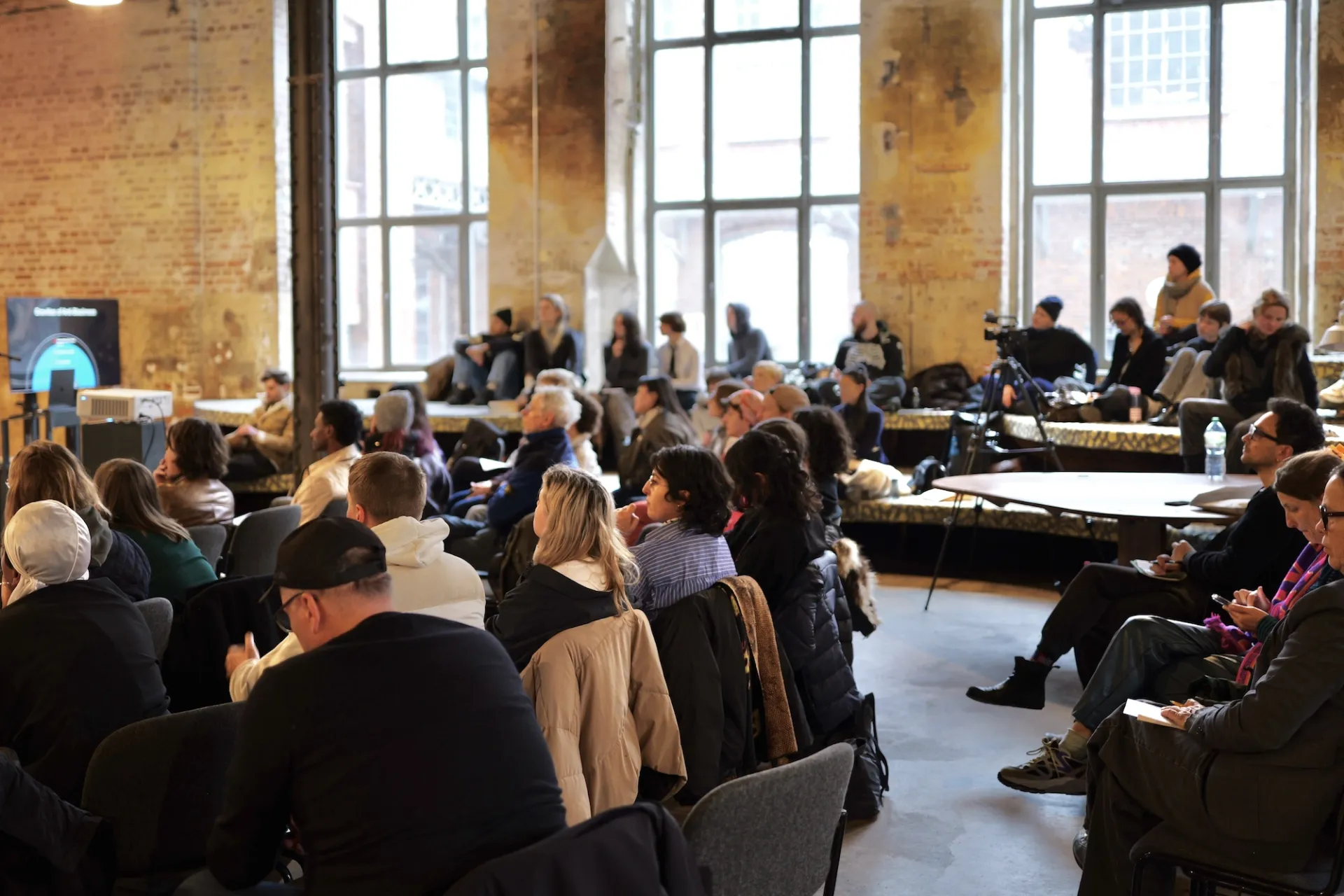
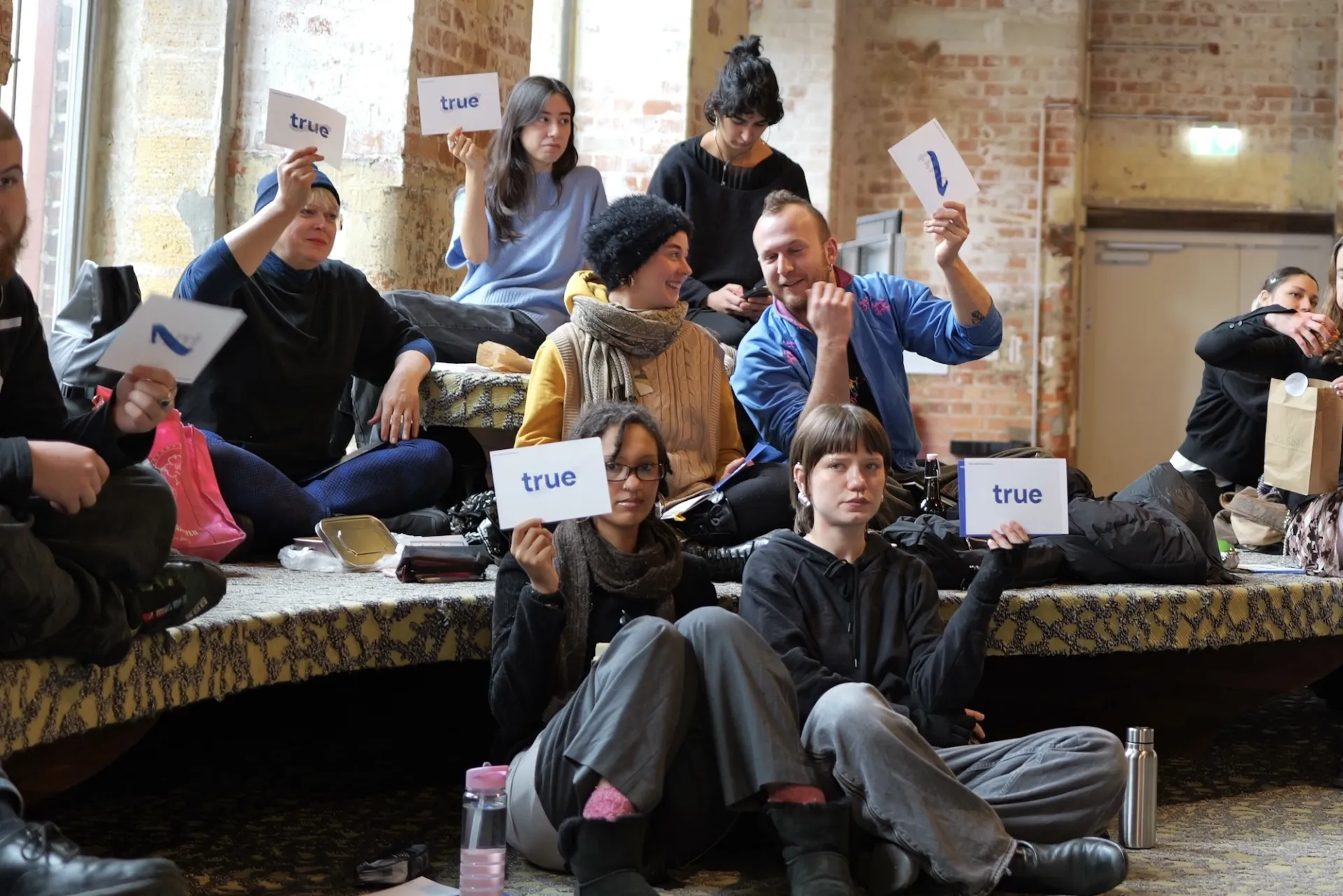
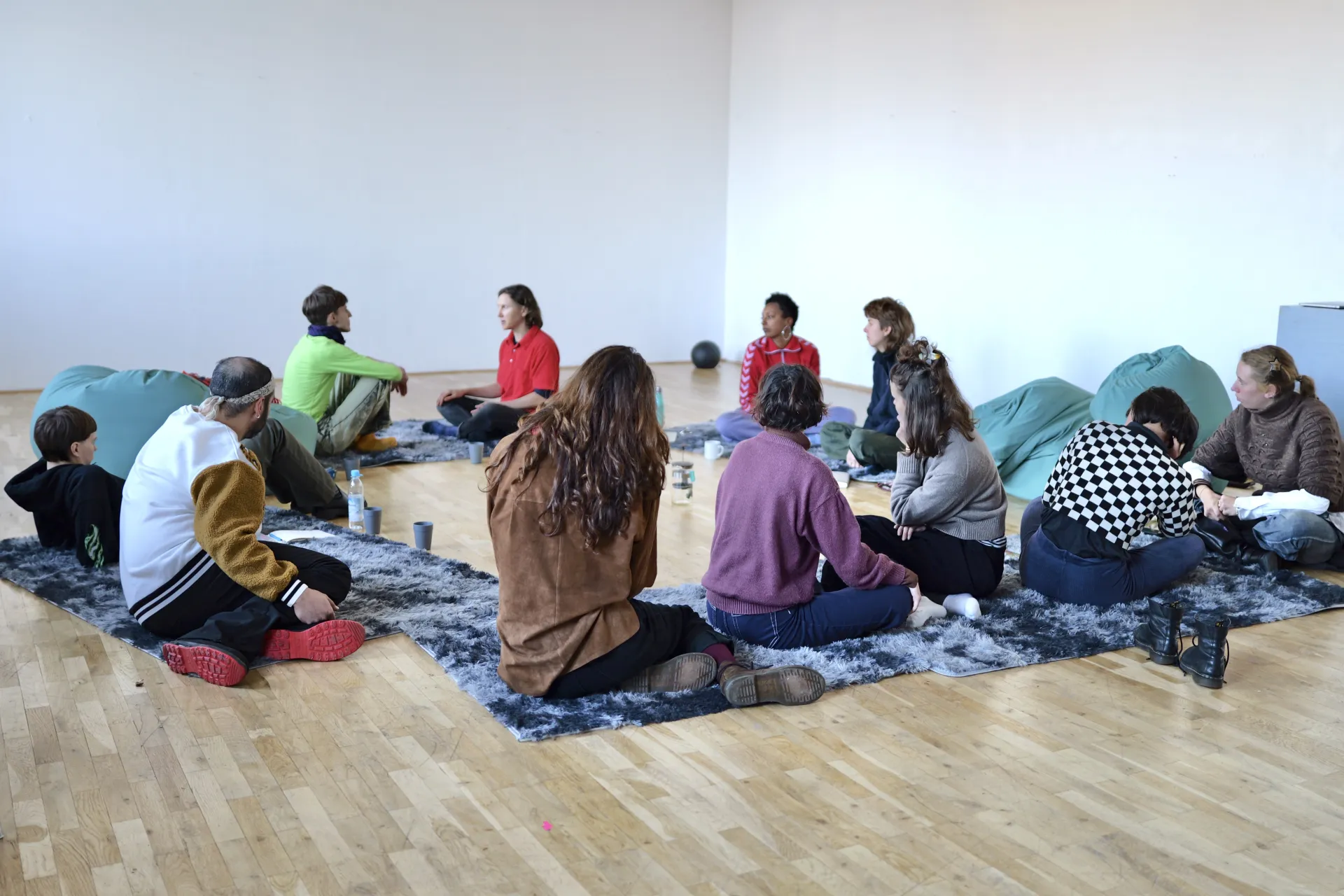
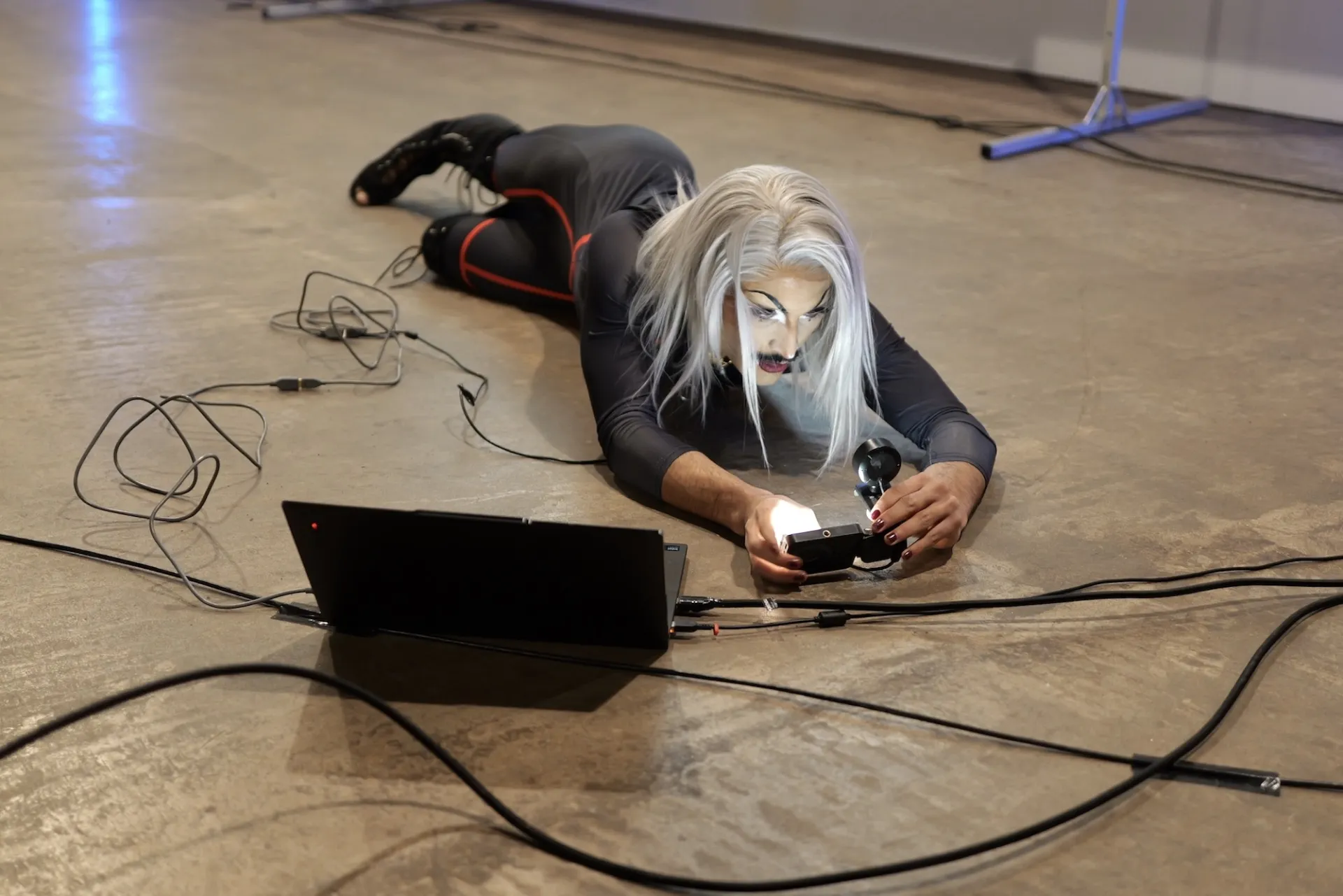
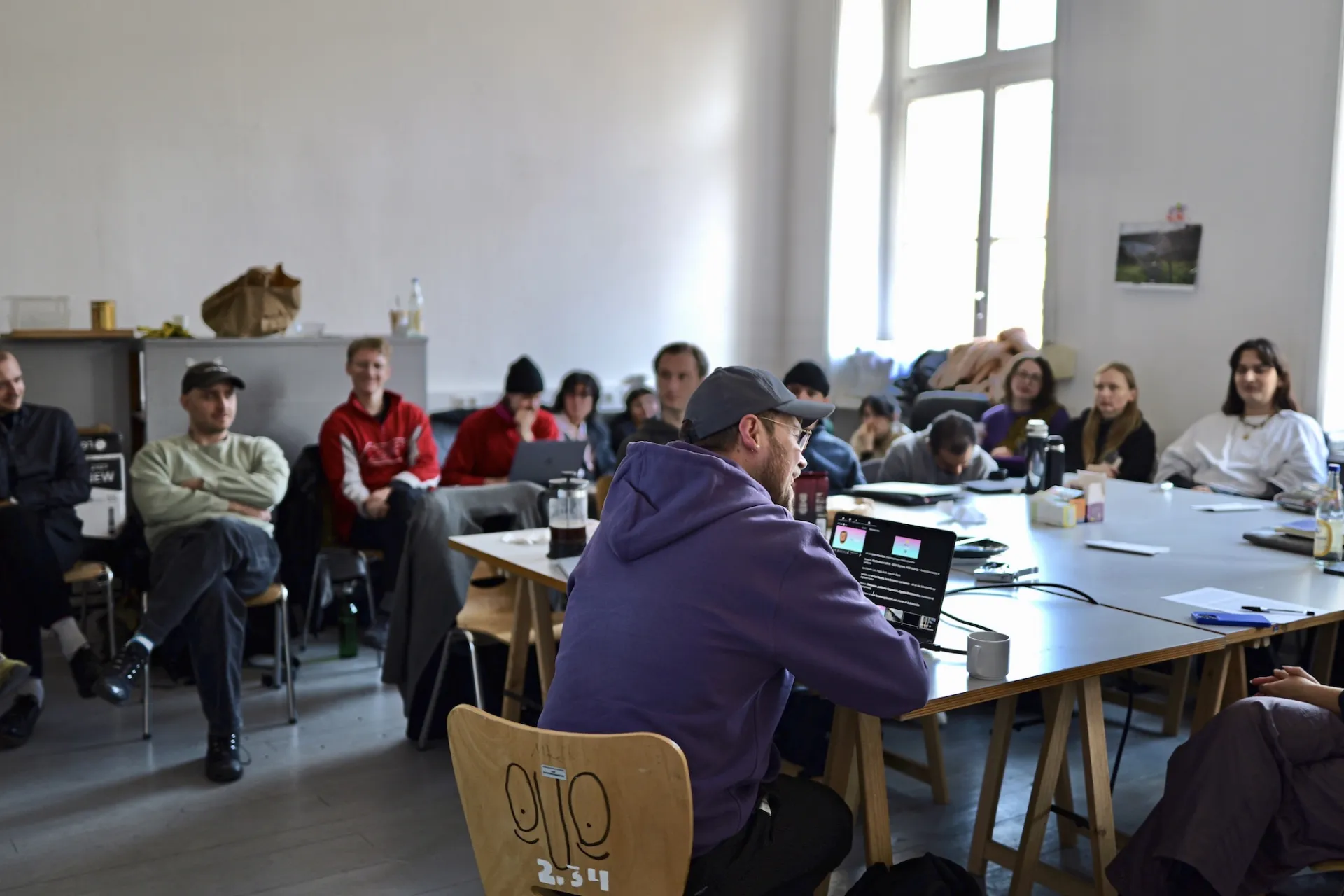
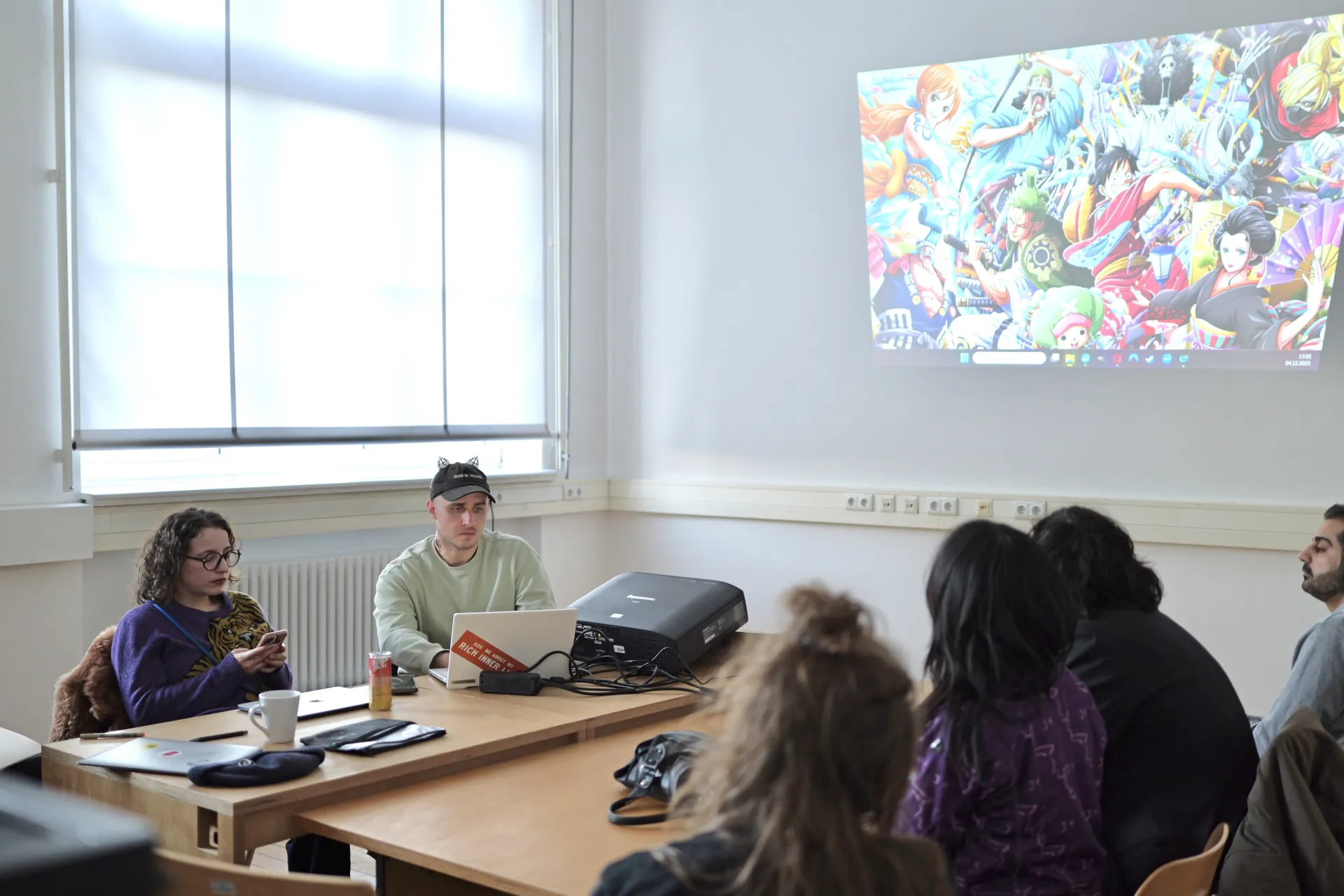
Symposium: Costs of (Dis)Connecting
04.-05. December 2025, HGB Leipzig & Halle 14
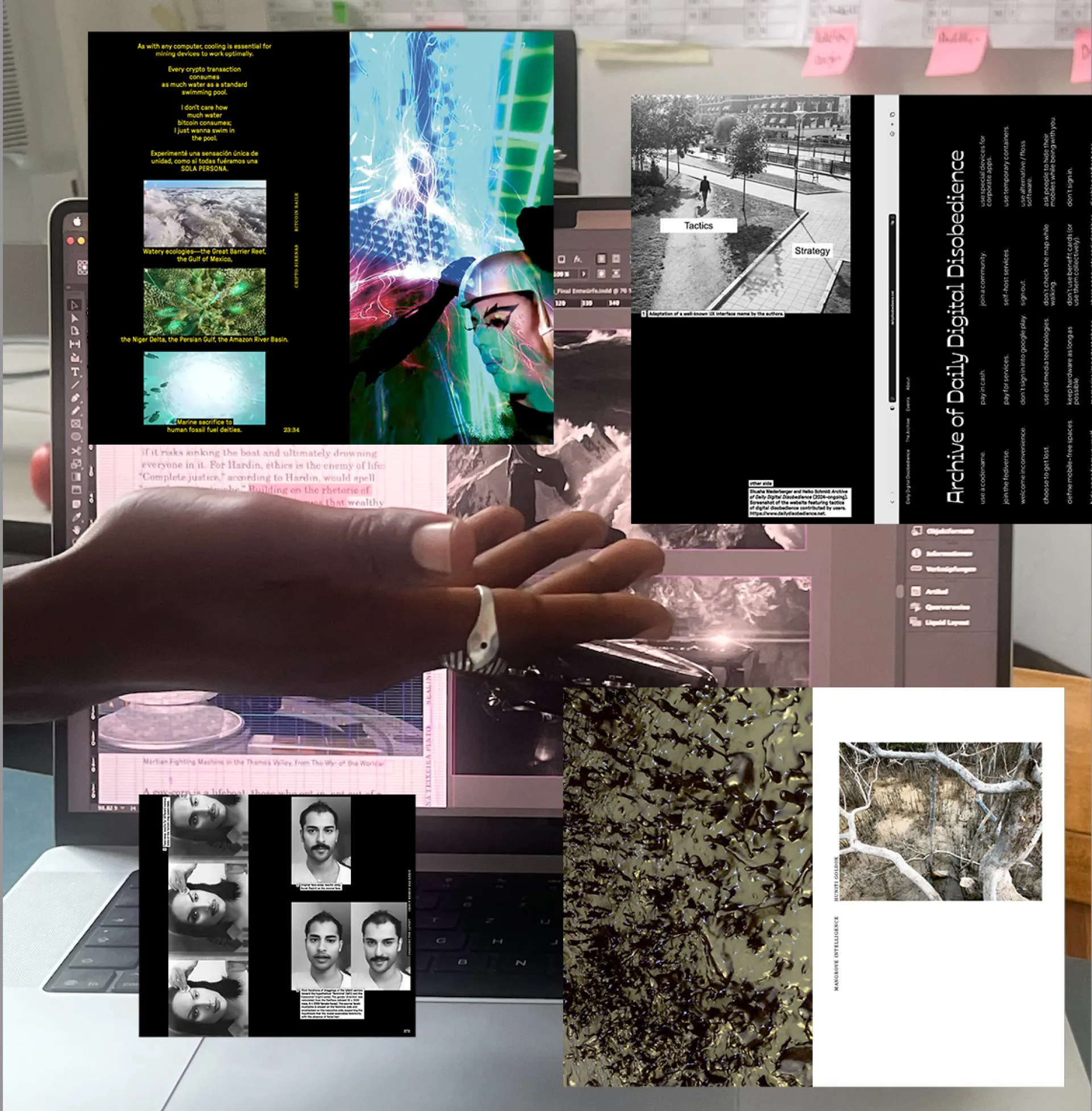
Digital connections have long been sold to us as an unalloyed good: seamless, frictionless, universal. Yet the infrastructures that knit us together are also infrastructures of extraction, dispossession, and psychic attrition. To connect is to pay—with attention, with intimacy, with the disassembly of common worlds. In this symposium, we ask: what are the costs of (dis)connecting in the digital present?
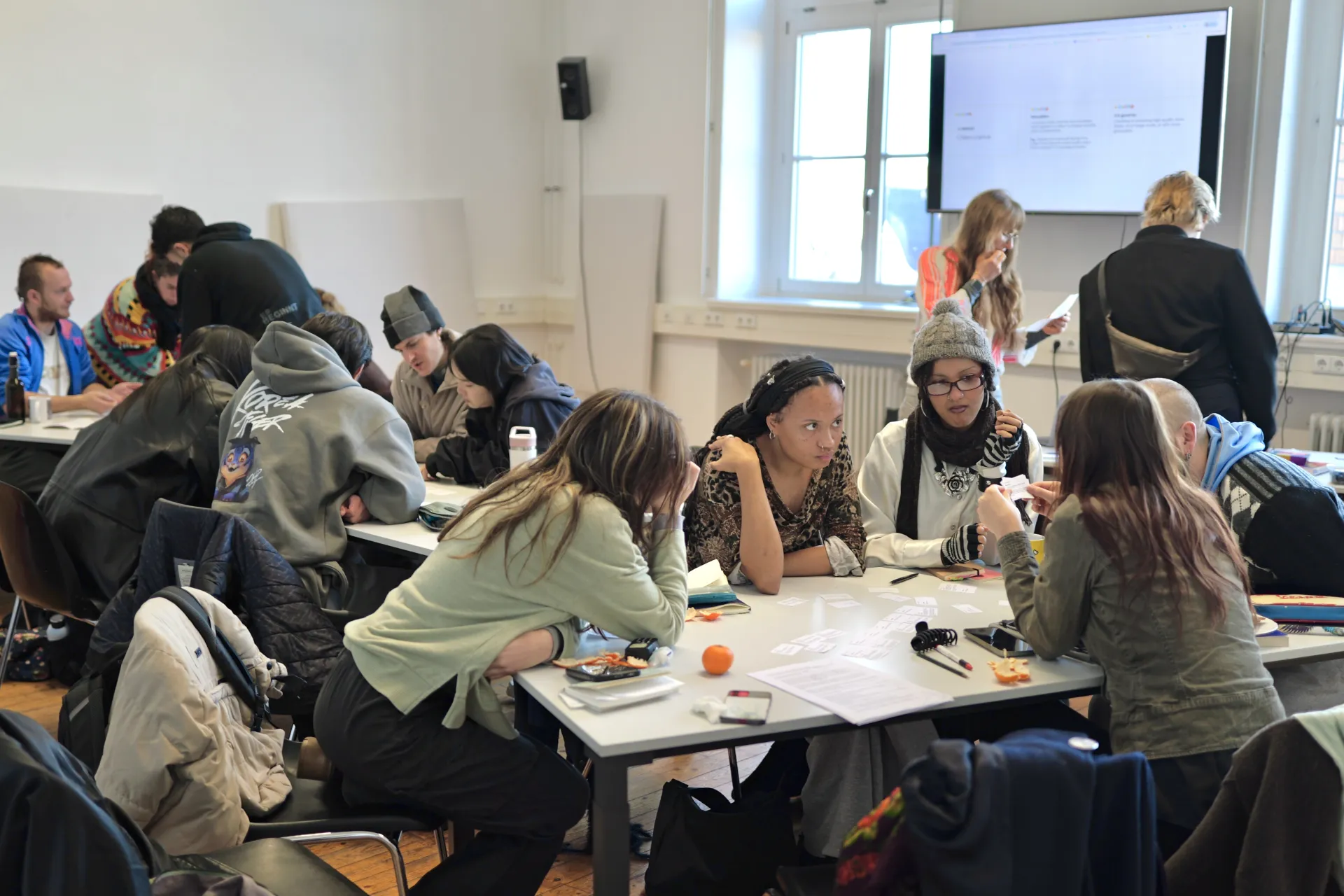
Introductory Workshops for HGB students: Lenn Blaschke & Caspar Weimann,
Nicolas Gourault, Aleks Berditchevskaia and Cait Fisher
Full-day program consisting of lectures, talks, a workshop and performances with Günseli Yalçınkaya, Shumon Basar, Orhun Mersin & Yağmur Uçkunkaya, Shusha Niederberger & Heiko Schmid, Franziska von Hasselbach and Mark Mushiva
Evening Lectures
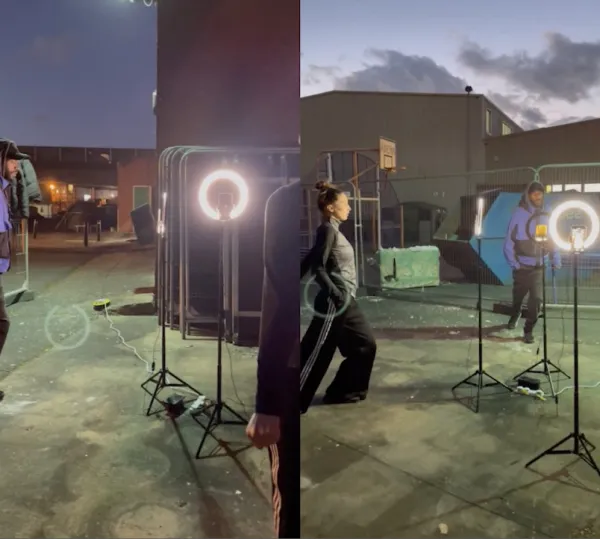
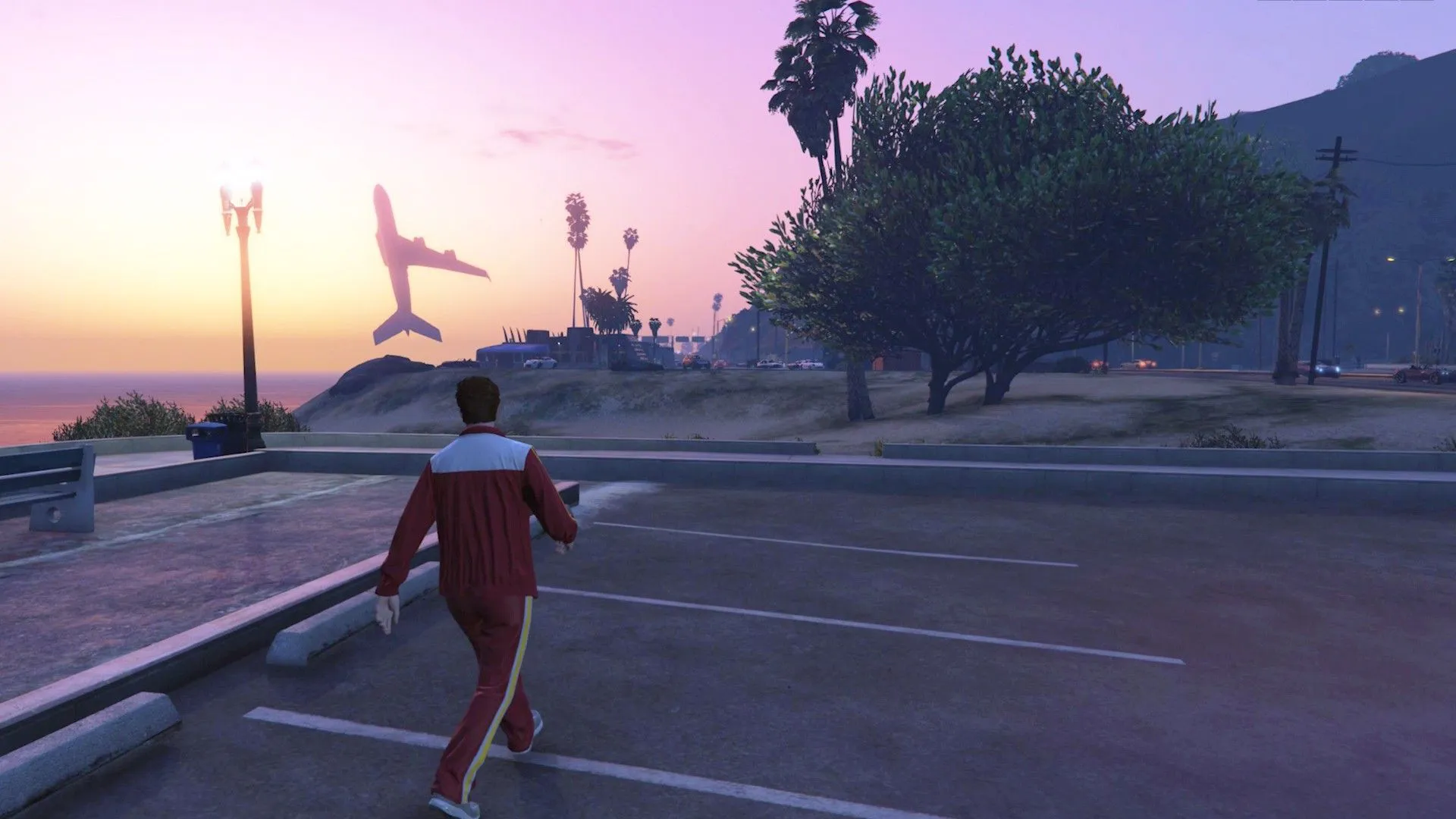
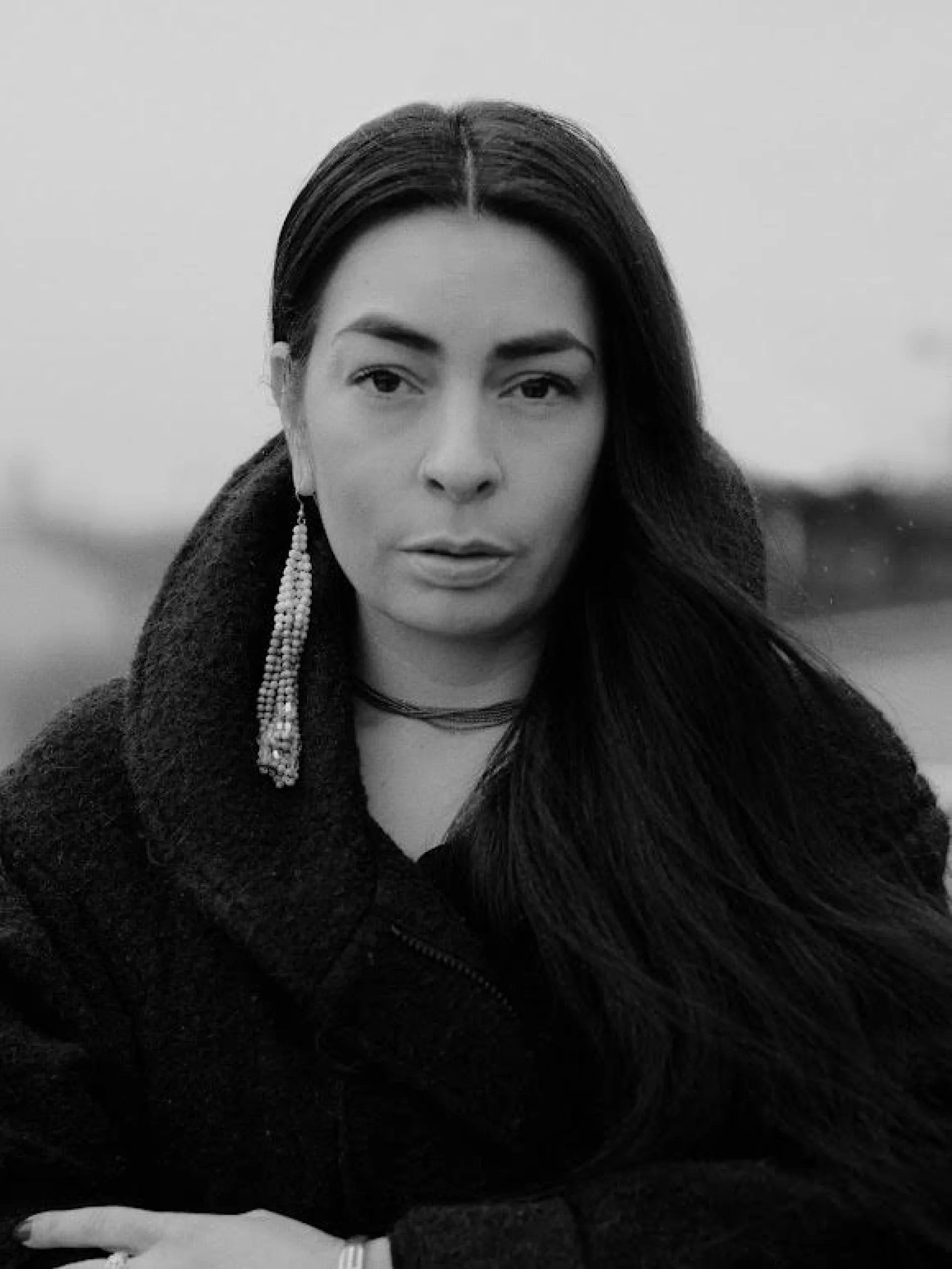
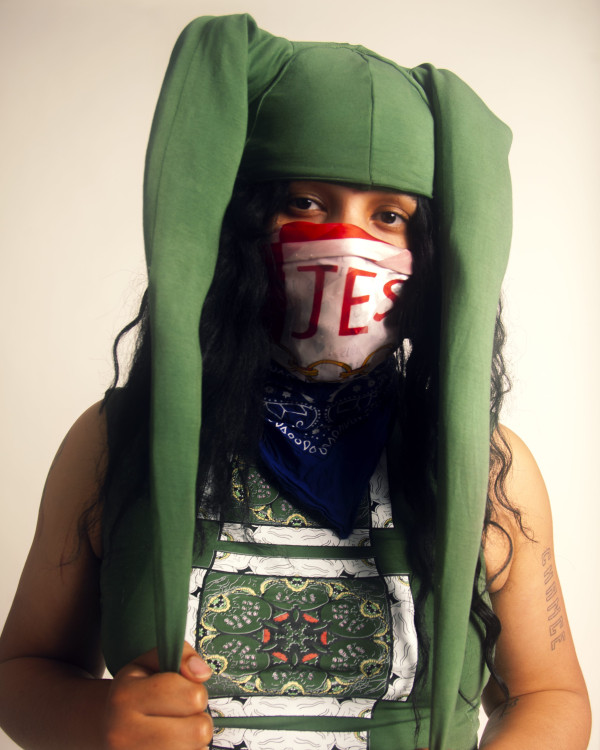
In the evening lecture series, international positions present their practices in lectures and lecture performances. In doing so, they open up a forum for exchange on practices that deal with digitality in different conceptual, methodological and artistic-creative ways.
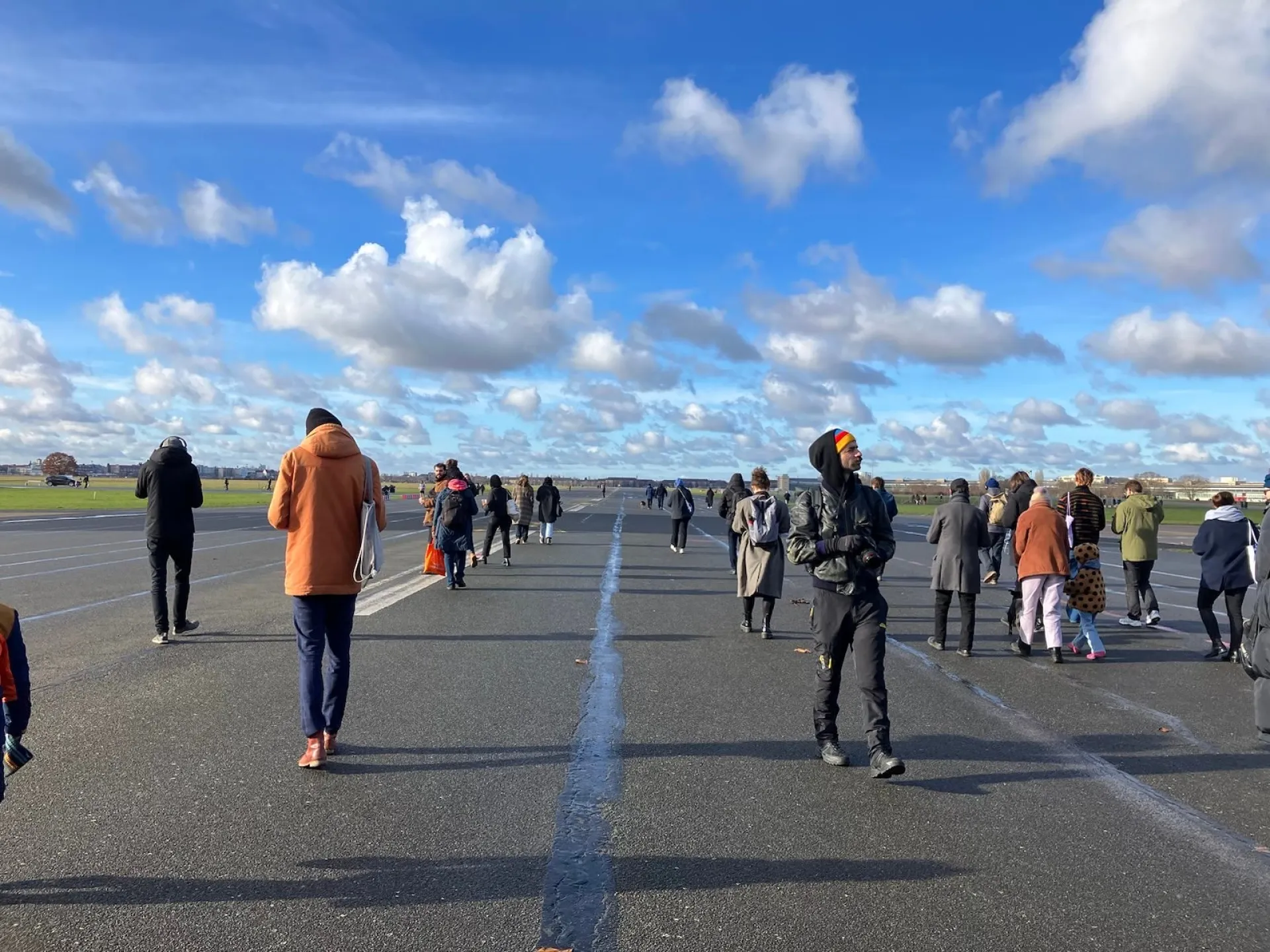
Aurora Digitalis Screenings
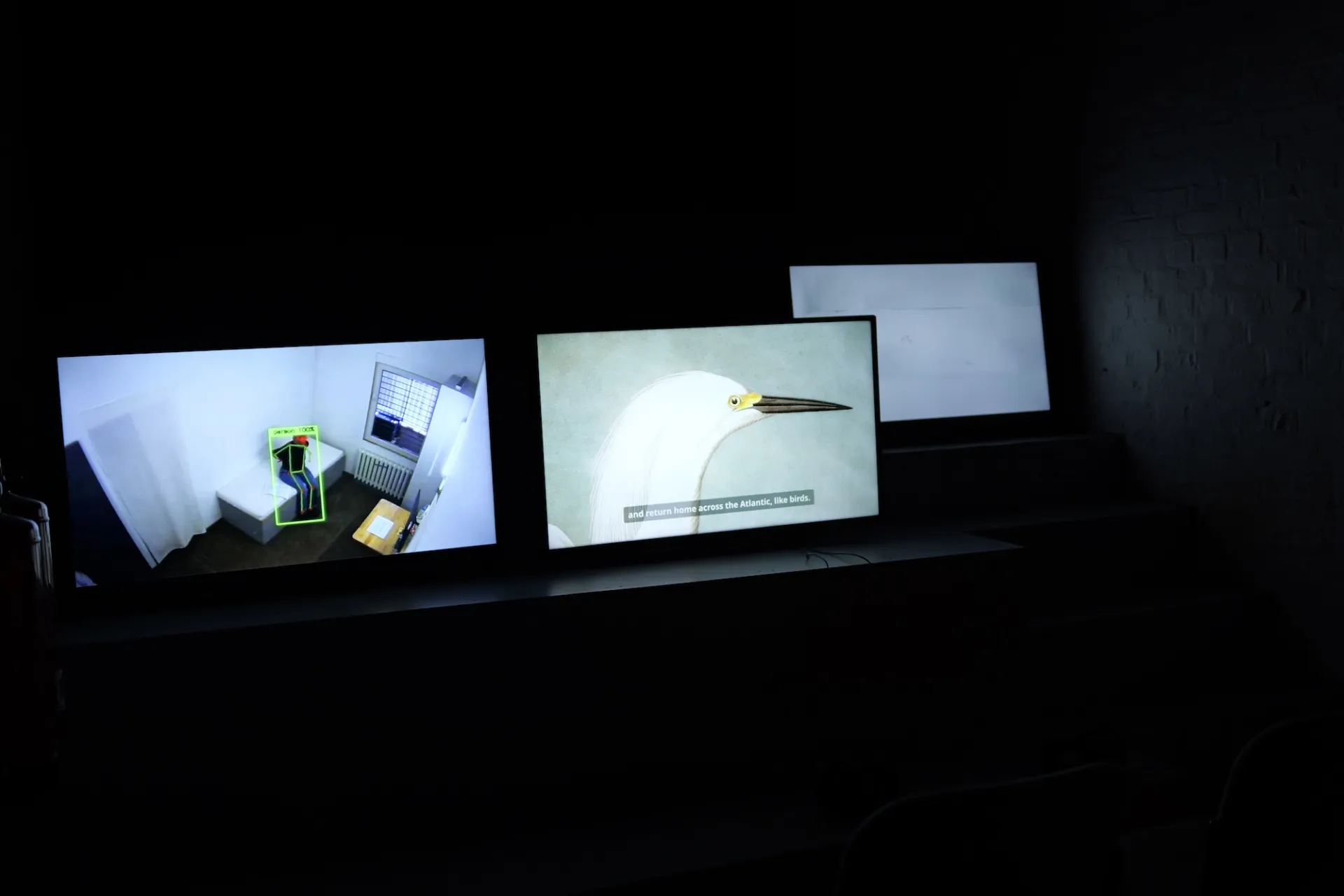
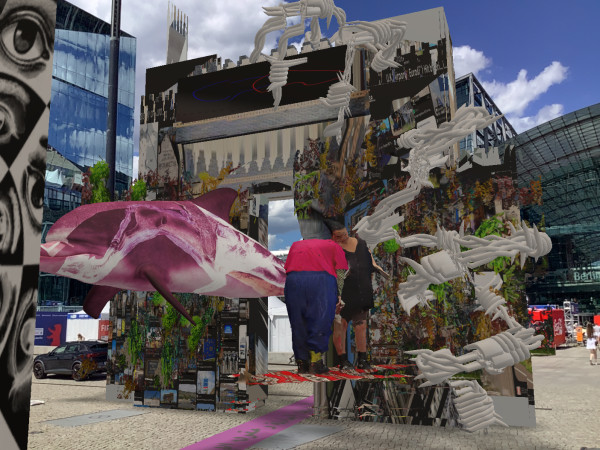
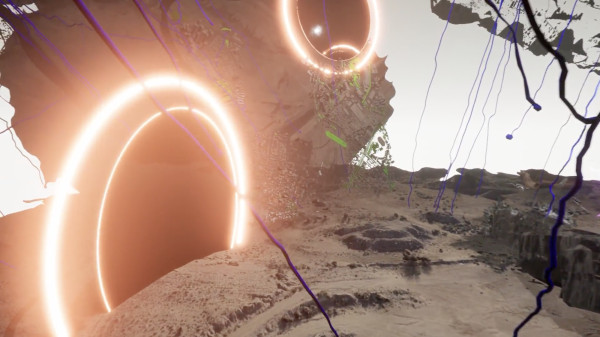
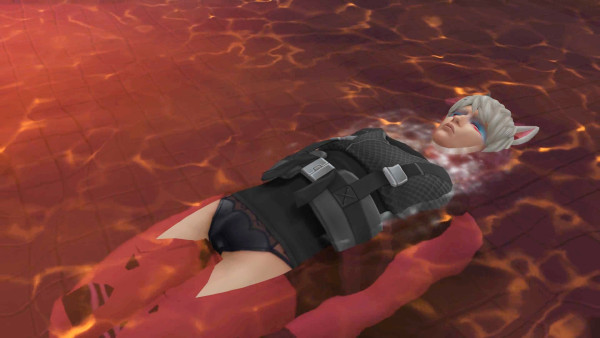
This screening series focuses on time-based digital works that use game engines and other tools to create alternative worlds, renegotiating these worlds in terms of their identities, virtual bodies, and socio-economic structures, while also questioning the ideological foundations of digital technologies. Aurora Digitalis is an extension of the weekly HGB cinema Aurora and is organized by Clemens von Wedemeyer (Expanded Cinema class) in cooperation with the Gallery of Contemporary Art Leipzig.
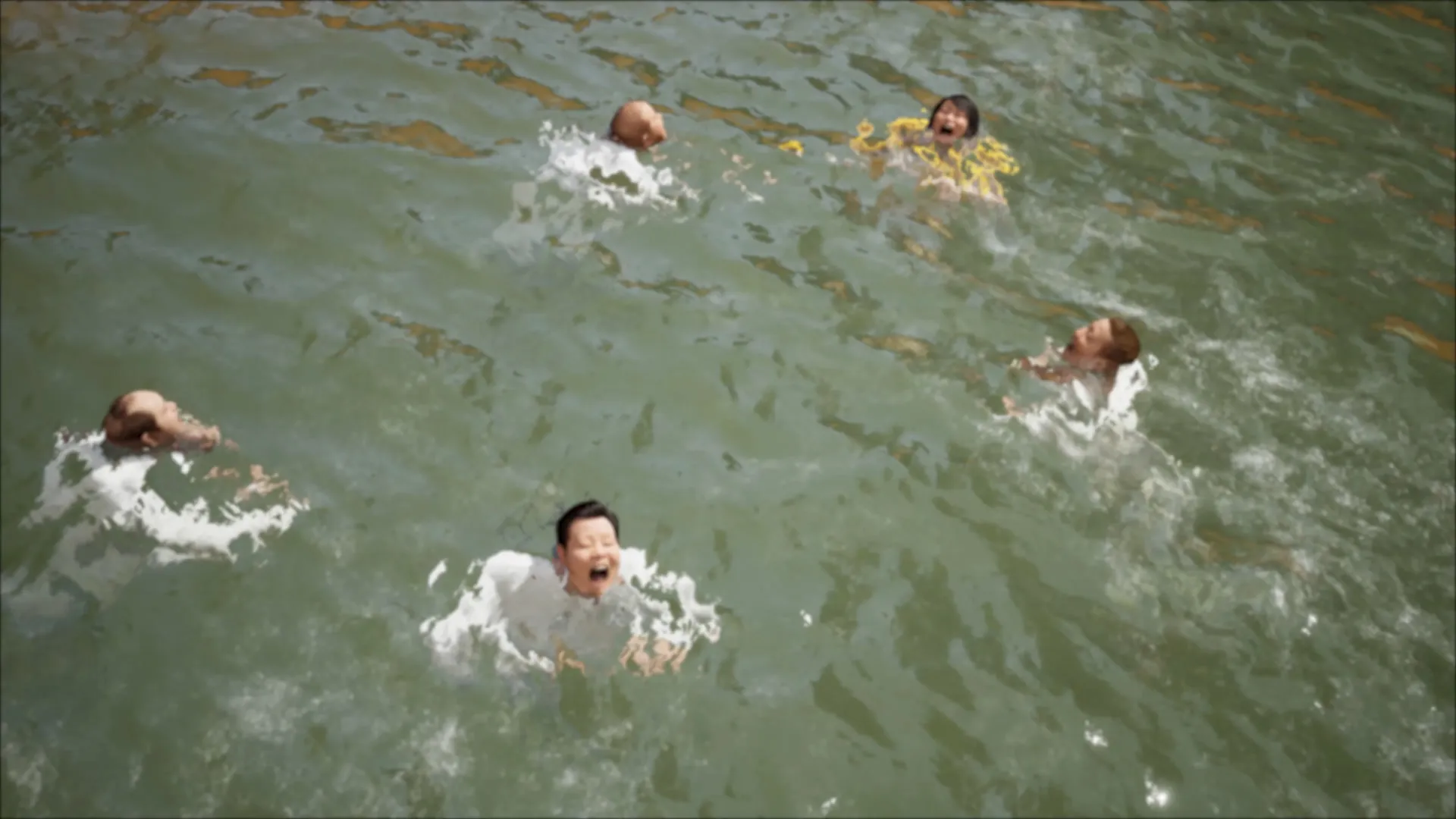
Alumni Talks
The Alumni Talk series is a forum with HGB alumni, particularly FLINTA*, for exchanging ideas on the use and reflection of digital media in artistic practice, as well as strategies for professional development.
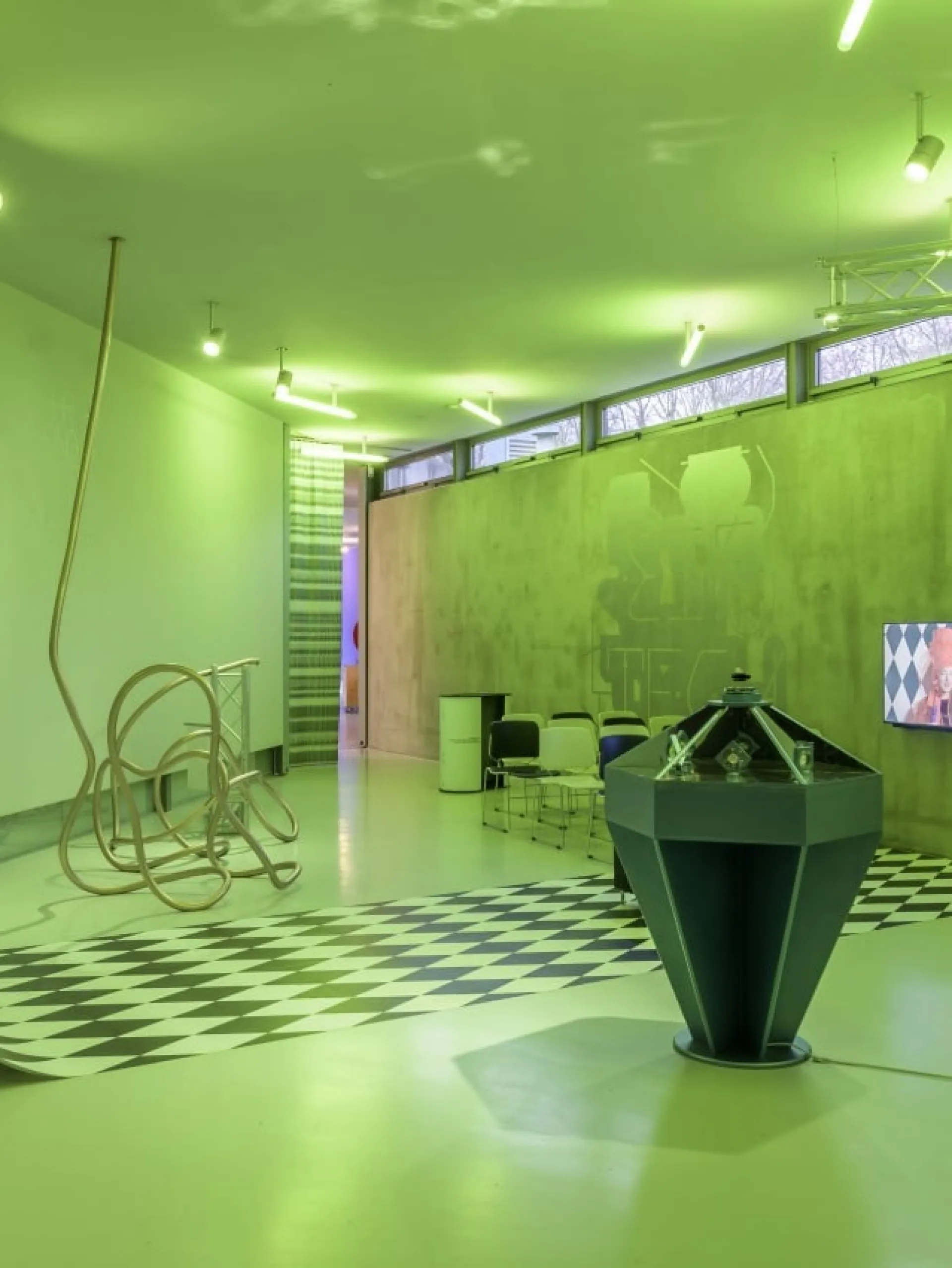
Charlotte Eifler is an artist and filmmaker whose practice explores the politics of representation in relation to technology. Working across moving image, extended reality (XR), installation, and performance, her work engages with digital infrastructures, archival practices, and queer speculative futures.
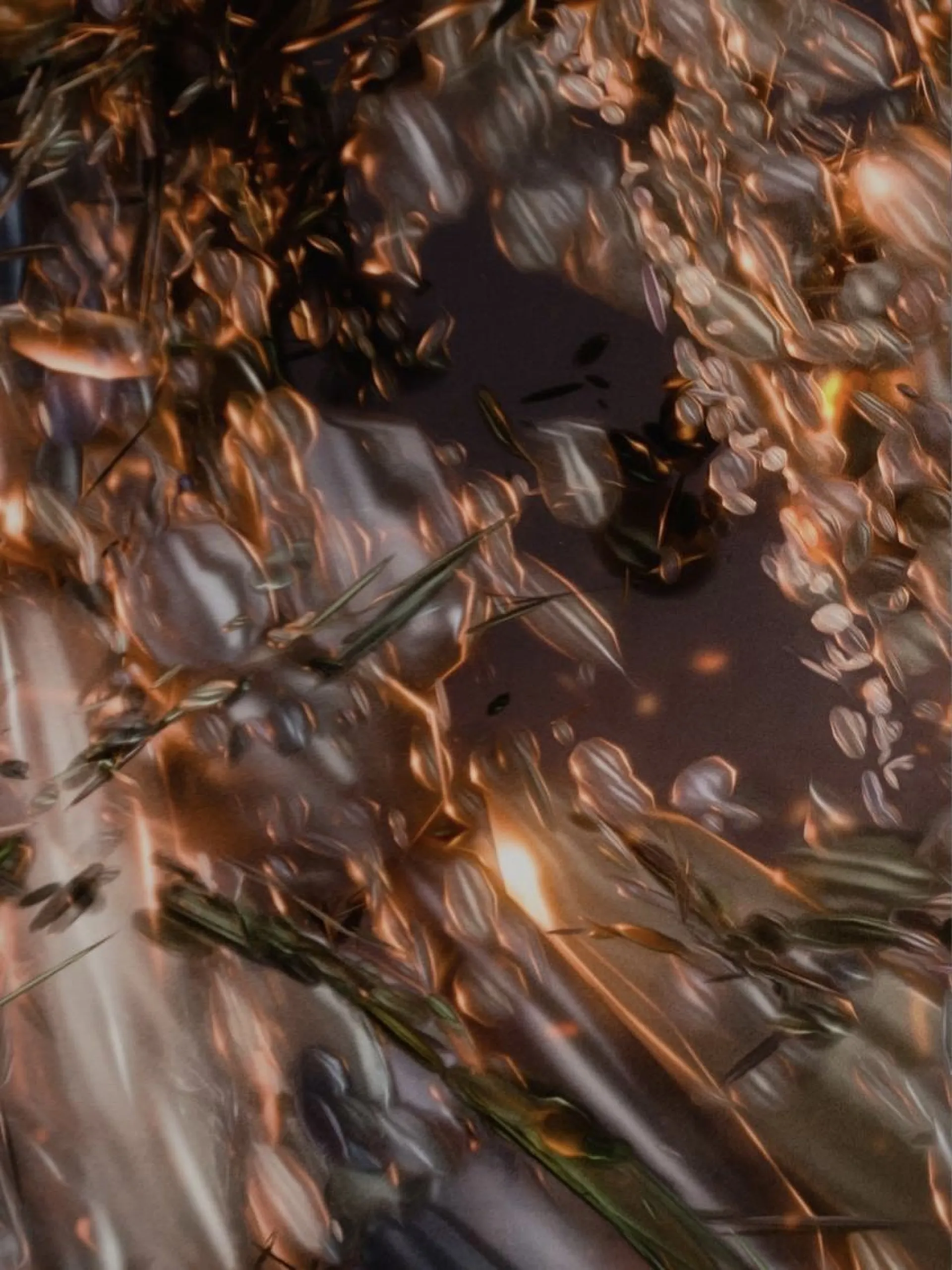
Vanessa Amoah Opoku is a German-Ghanaian interdisciplinary artist investigating technologies of diaspora through immersive installations that create hybrid physical-digital spaces. Using touch-based methodologies including LiDAR scanning and varied materialities, she examines both diasporic technologies and how imperial tools are transformed through diasporic use.
Paula Ábalos (*1989, Santiago de Chile) is a visual artist based in Leipzig, Germany. Her practice unfolds primarily in the field of experimental video, in dialogue with other media. She is particularly interested in the relationship between work and sleep, and in the ways these concepts intersect and resonate today.
Collaborations
Collaborations with cultural institutions, initiatives, associations, and other partners enrich (Un)Learning Digitalities with diverse institutional, artistic, and theoretical perspectives. Jointly developed workshops, events, and discursive formats create points of intersection between the university, artistic practice, and the public. They facilitate the exchange of knowledge and resources and open up new contexts for engaging with contemporary digital cultures and their social conditions.
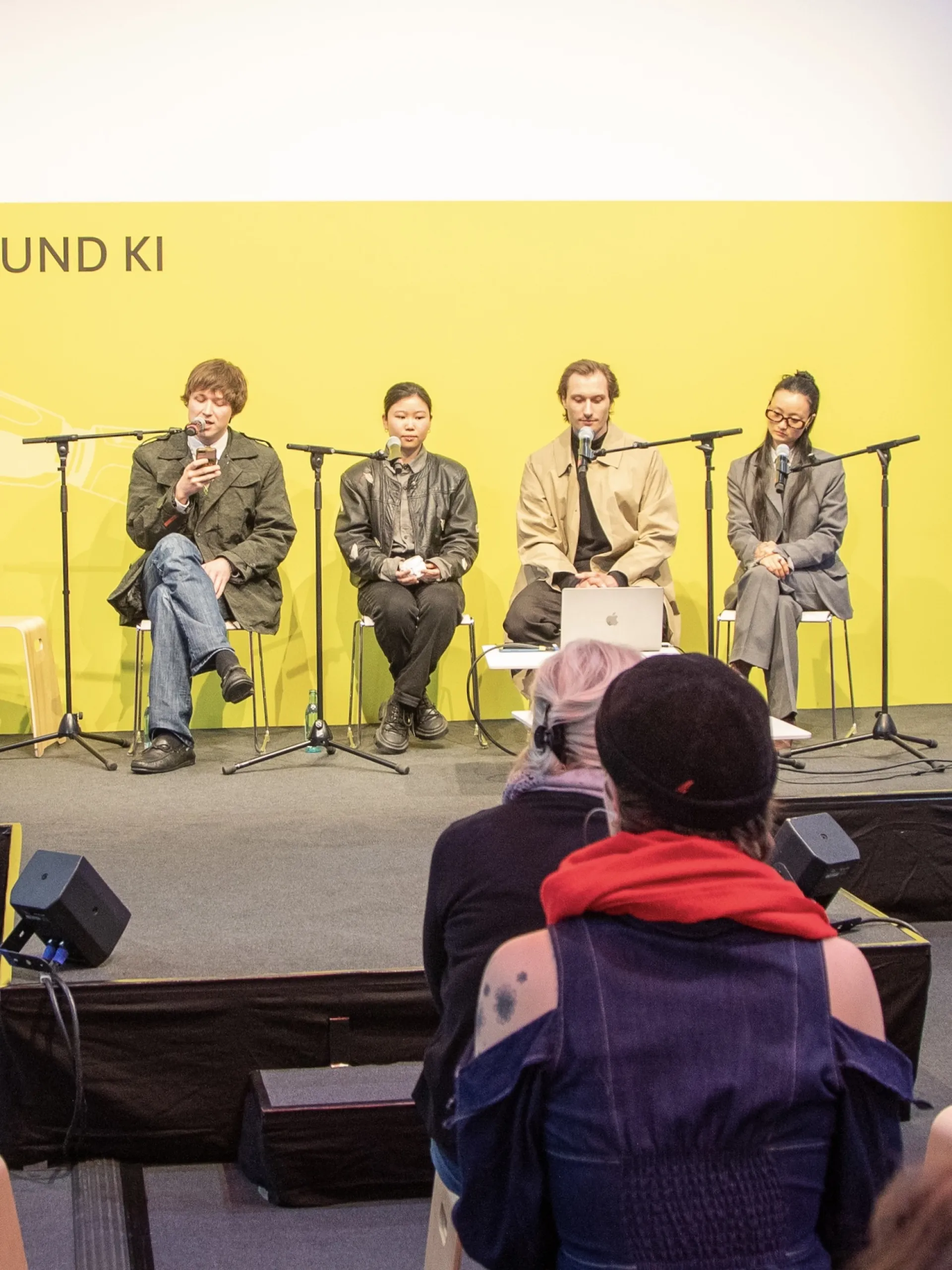
As part of the Leipzig Book Fair of Forum KI&Mensch, (Un)learning Digitalities brings together artistic positions by students that do not view AI as a neutral tool, but rather as a hallucination, a resistant system, an instrument for re-narration and re-historicization, a metaphor, and a humanized system. The artists use AI specifically to generate alternative narratives, reorder collective and individual memories, and critically question existing power structures as well as normative and historical narratives.
The workshop combines artistic practice with current AI research. After gaining insight into the Max Planck Institute (MPI CBS) and methods of explainable AI (XAI)—including practical analysis of models—we apply these insights to our own experiments. We work with open-source tools such as ComfyUI and develop flexible workflows for AI-assisted image, video, and 3D production. In cooperation with Digital Materialities (Prof. Mitra Wakil / Prof. Fabian Hesse).
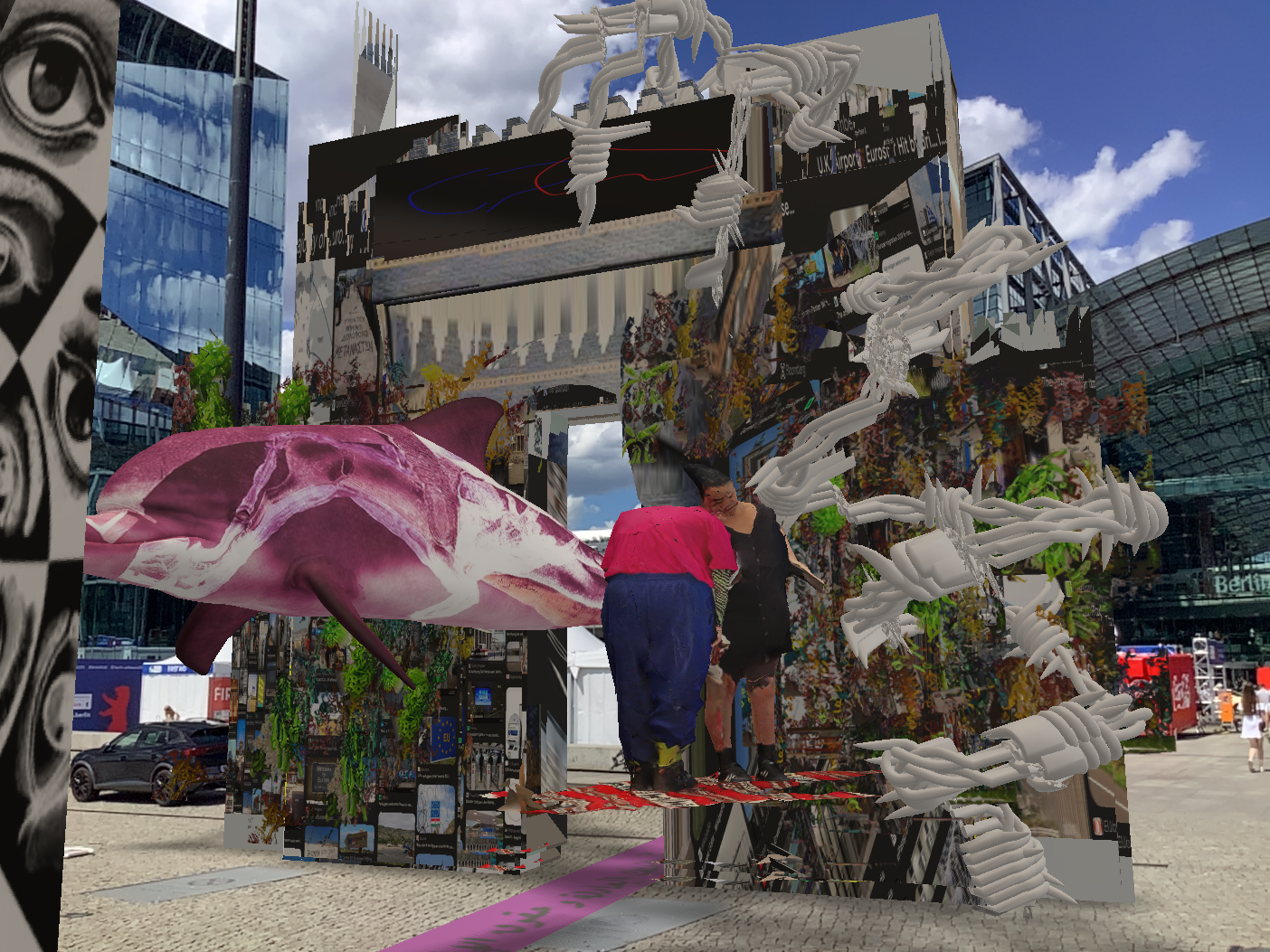
(How) can digital interventions re-contextualise colonial and nationalist monuments?
Artists, researchers and activists will contribute short impulses that open up perspectives on memory politics, visibility, power structures and decolonial (digital) practices.
Participating actors:
Eliza Goldox, Tania Kolbe (AG Postkolonial / Re-Telling Doaa), Angelika Waniek, Julia Kurz (Umräumen e.V.), Mikala Hyldig Dal and Sven Bergelt