H
G
B

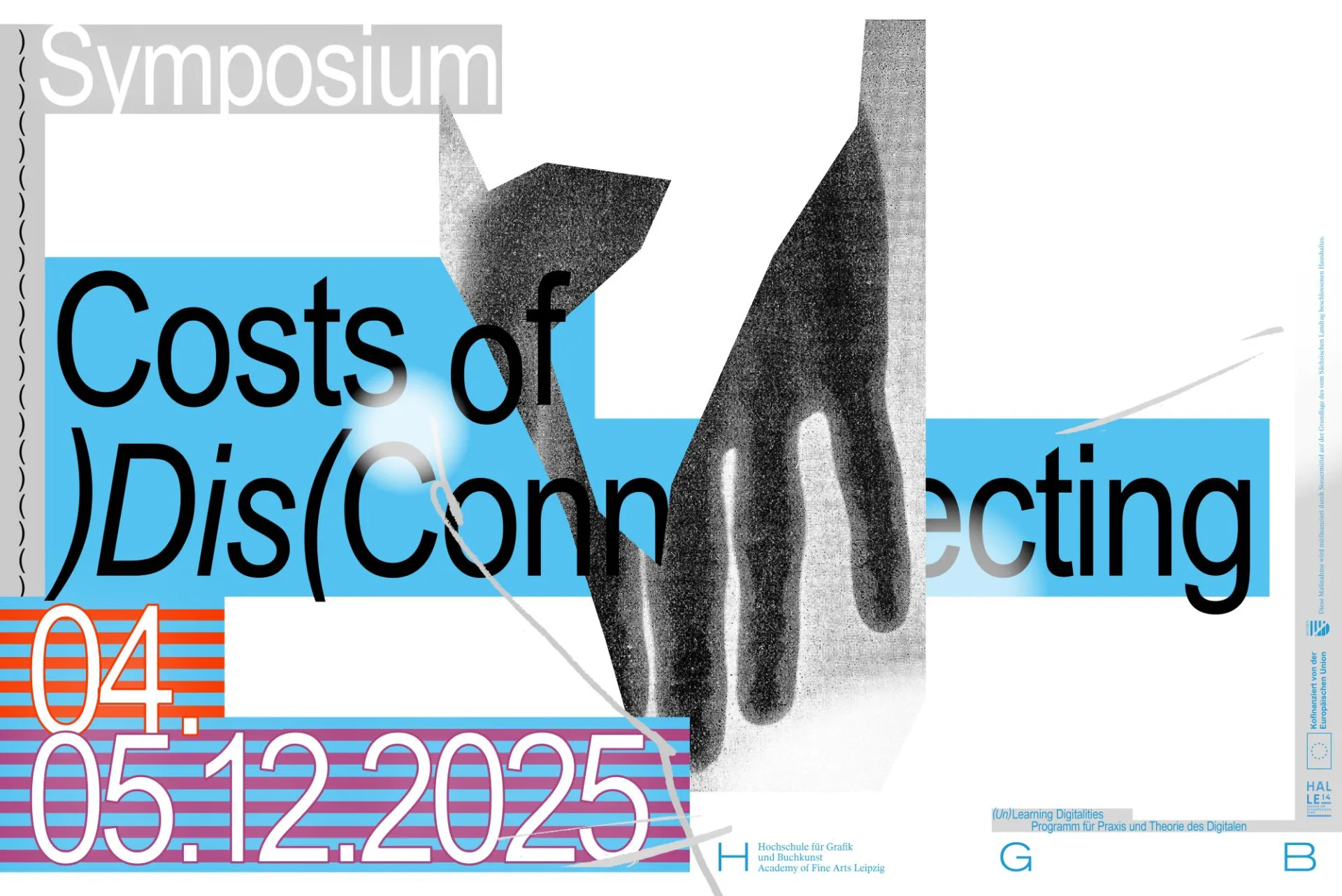
Symposium: Costs of (Dis)Connecting (04.-05.12.2025)
Digital connections have long been sold to us as an unalloyed good: seamless, frictionless, universal. Yet the infrastructures that knit us together are also infrastructures of extraction, dispossession, and psychic attrition. To connect is to pay—with attention, with intimacy, with the disassembly of common worlds. To disconnect is likewise costly, casting individuals into isolation, precarity, or invisibility.

In this symposium, we ask: what are the costs of (dis)connecting in the digital present? How do platforms, feeds, and models organize not only what is seen but also what can be imagined? And how might artists, theorists, curators, gallerists and mediators invent gestures of resistance, refusal, or subversion in the face of these algorithmic orders?

Program – What to expect

Thu 04.12.2025, HGB (only for HGB students)

10 am - 9 pm
Introductory Workshops for HGB students:
Lenn Blaschke & Caspar Weimann hosted by Prof. Christin Lahr & Sven Bergelt (Class Artistic Action and Research
Nicolas Gourault hosted by Prof. Clemens von Wedemeyer (Expanded Cinema class)
Aleks Berditchevskaia hosted by Prof. Eli Cortinas & Prof. Stine Jacobsen (Media Art foundational course)
Cait Fisher hosted by Anna Zett (Class for Performative Arts)
Orhun Mersin aka kekik & Yagmur Uçkunkaya (different date and place: 05.12., 1:30pm-3:30pm in HALLE 14)

06:15 pm
Public Film Screening:
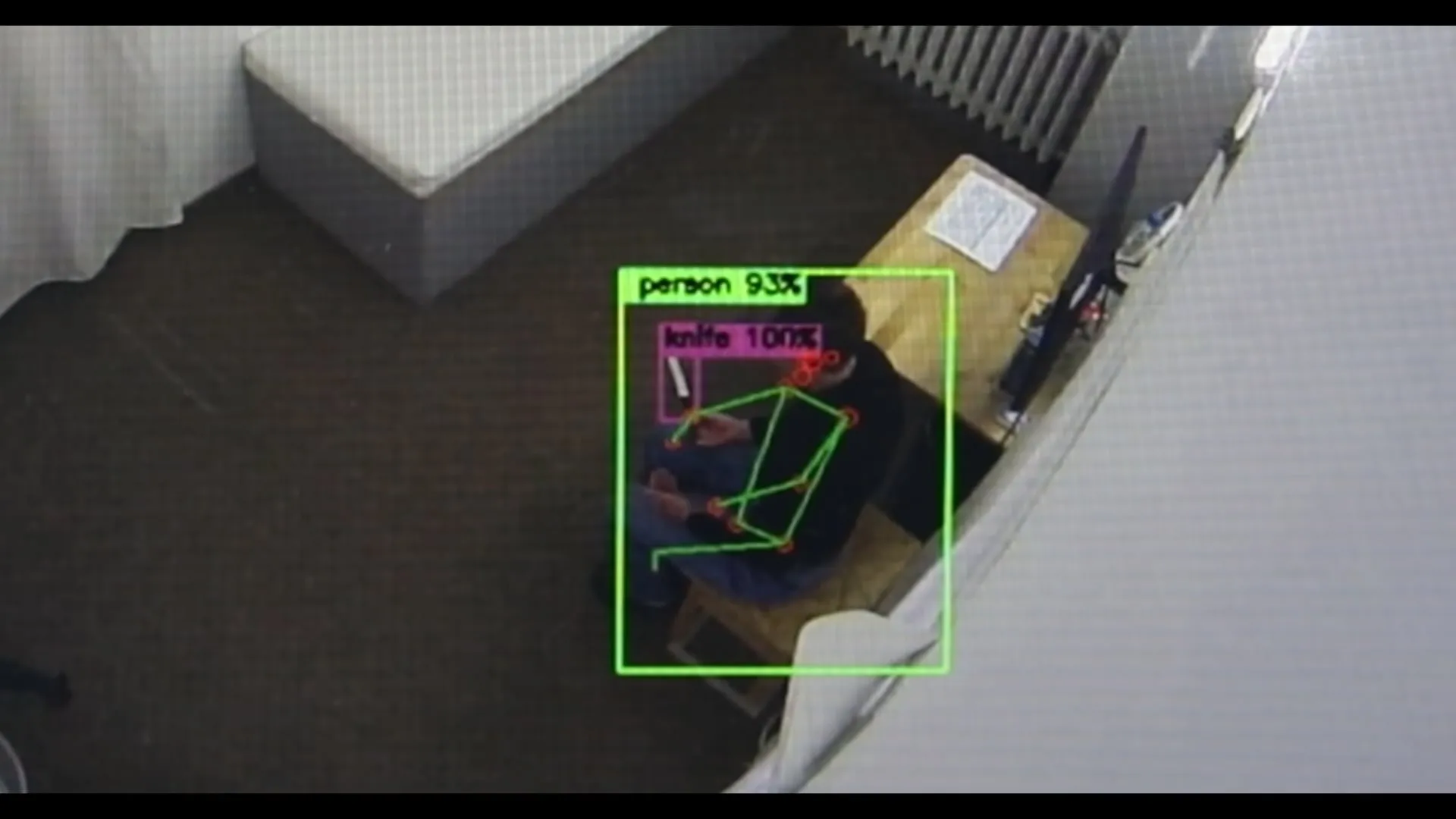
Nicolas Gourault, VO (2020) und Their Eyes (2025) 

Fri 05.12.2025, HALLE 14

Open for everybode: Free admission & no registration needed – just drop by!

10 am - 9 pm
Full-day program consisting of lectures, talks, a workshop and performances with: Günseli Yalcinkaya, Shumon Basar, Orhun Mersin & Yagmur Uçkunkaya, Shusha Niederberger & Heiko Schmid, Franziska von Hasselbach, Mark Mushiva, and others

10 am - 7 pm
Side program with Filmscreening and exhibition

Workshop Programme for HGB students (04.12.2025, HGB)

In advance of the main symposium, the workshop day invites students to engage with the practical, performative, and critical dimensions of connectivity and disconnection in the digital present. Across five thematic workshops, artists, researchers, and facilitators will explore the infrastructures, imaginaries, and embodied practices that shape our online and offline lives. From investigating algorithmic labor and AI systems, to resisting online radicalization, to experimenting with collective intelligence, somatic resonance, and queer approaches to technology, these sessions combine hands-on experimentation with artistic strategies, reflective inquiry, and speculative methods for navigating the costs of (dis)connection. Students are encouraged to engage actively with the methods and materials, experiment with artistic and conceptual strategies, and reflect on the intersections of theory, technology, and embodiment throughout the day.

Public Symposium – Program and Time Schedule
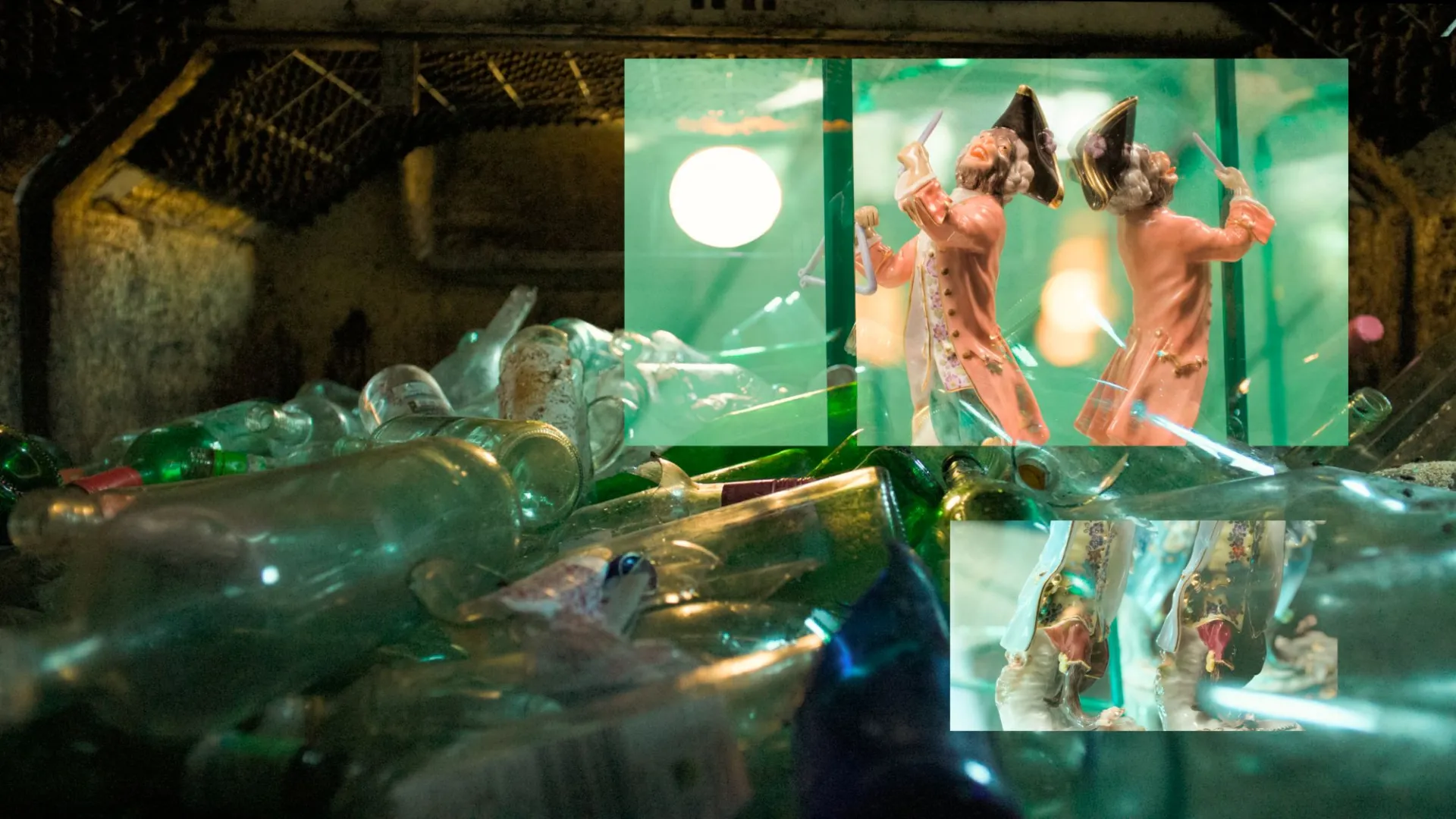
The program brings together diverse practices that respond to these questions from different vantage points: Günseli Yalcinkaya discusses internet folklore and explores the relationship between emerging technologies and the myths embedded within these systems. Writer and curator Shumon Basar reflects on the psychic toll of the feed and the fragile solidarities of what he calls The Axis of Posting. Mark Mushiva adresses the decolonial affordances of technology and explores the material, forensic, and poetic dimensions of African accelerationist technological imaginaries. With their dialogical lecture-performance Daily Disobedience, Shusha Niederberger and Heiko Schmid show how small glitches, refusals, and ambiguities can subvert the demands of compliance in digital systems. Franziska von Hasselbach, Senior Director at Sprüth Magers, situates Cyprien Gaillard’s Retinal Rivalry within the shifting role of galleries as mediators of perception and memory—and as reluctant sites of discourse in an era of shrinking welfare states and resurgent fascisms. And in their speculative workshop-performance, Orhun Mersin aka kekik and Ya?mur Uçkunkaya queer machine learning architectures through practices of unlearning the model and dragging the latent, exposing the algorithmic unconscious that encodes normativity and fantasy.
Time Schedule (05.12.2025, HALLE 14)
Free admission & no registration needed

10:00 – 10:15
Welcome & Introduction
Academy of Fine Arts Leipzig & HALLE 14 – Centre for Contemporary Art

10:15 – 11:15
Lecture: Tectonic Shifts
Günseli Yalcinkaya
Meme theory, folklore, internet youth culture & the myths inside AI systems
Q&A follows

11:15 – 12:15
Digital Lecture: The Axis of Posting – Present Traumatic Screen Disorder
Shumon Basar (remote)
Screenshotting as survival, platform fatigue & the New New Normal
Q&A follows

12:15 – 13:30
Lunch Break

13:30 – 14:30
Lecture Performance: Frequency – On the Decolonial Affordances of Technology
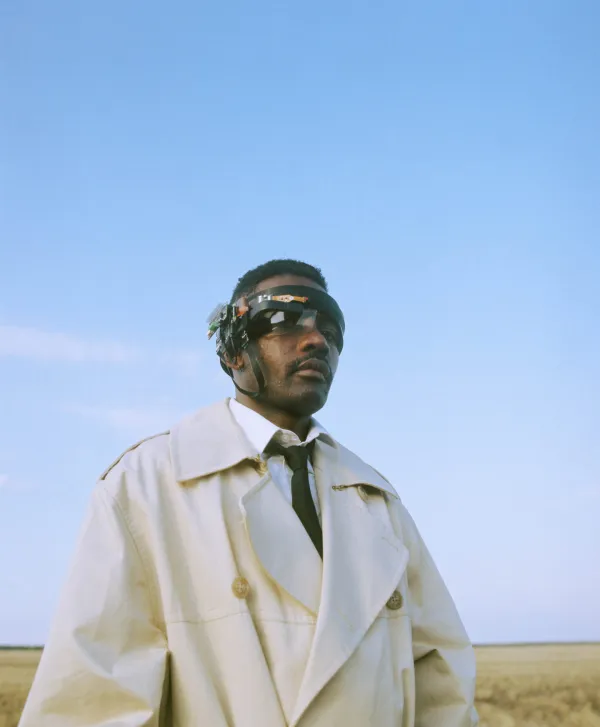
Mark Mushiva
Material, forensic, and poetic dimensions of African accelerationist technological imaginaries
Q&A follows

14:30 – 15:30
Lecture Performance: Archive of Daily Digital Disobedience
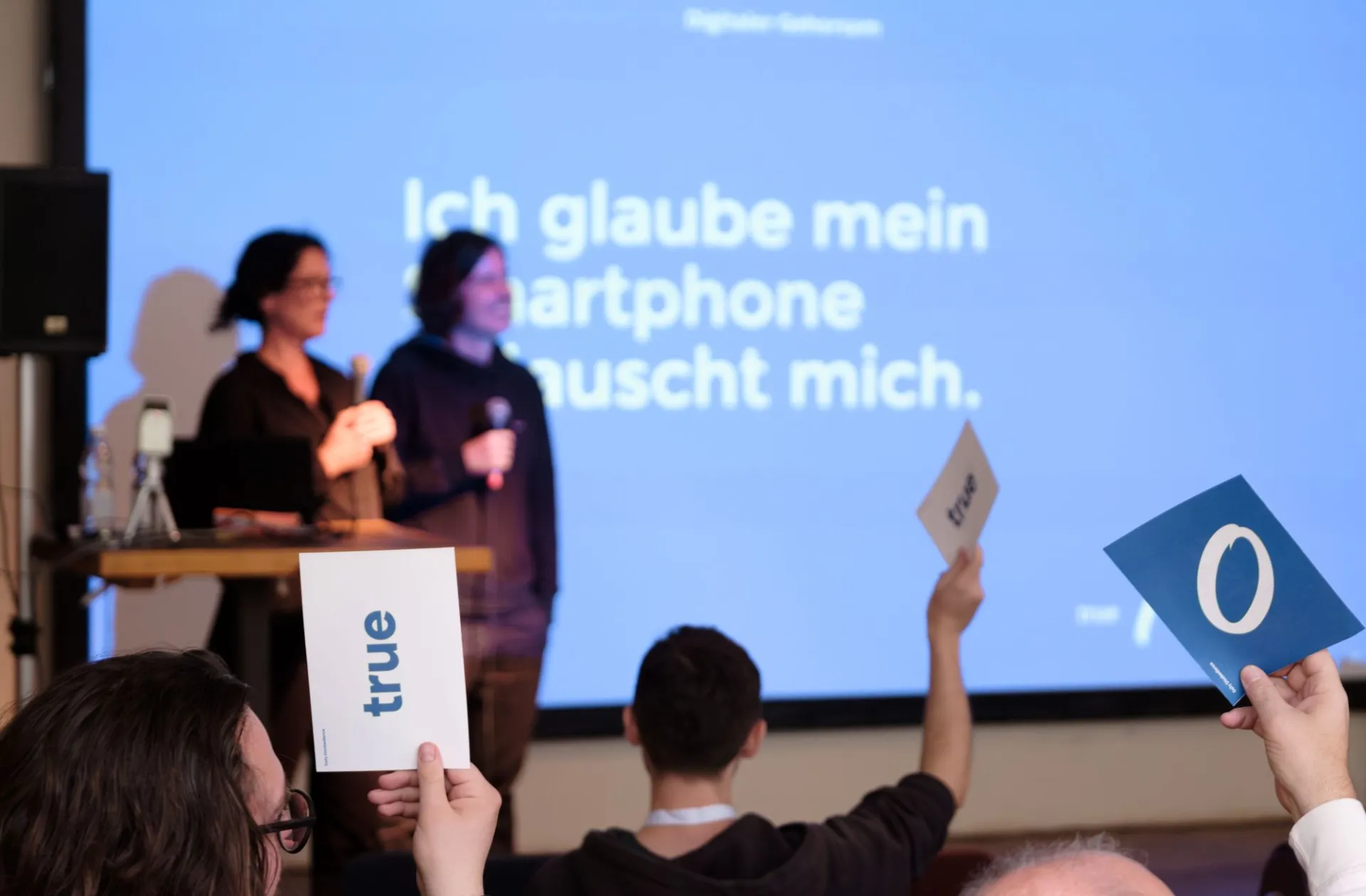
Shusha Niederberger & Heiko Schmid
Everyday digital resistance tactics, refusal, and platform sabotage
Q&A follows

15:30 – 16:00
Input Talk: The Gallery Interface
Franziska von Hasselbach
On Cyprien Gaillard’s Retinal Rivalry as a study of vision, memory, and decay—and on how galleries navigate the fractures of digital (dis)connection.

16:00 – 17:15
Panel Discussion: Who Gets to (Dis)Connect?
With Günseli Yalcinkaya, Shusha Niederberger, Heiko Schmid, Franziska von Hasselbach.
Moderation: Quincey Stumptner On economies of attention, artistic strategy, and who holds power online/offline

17:15 – 17:45
Short Break / Transition

17:45 – 18:45
Performance: Dragging the Latent, Unlearning the Model
Orhun Mersin aka kekik & Yagmur Uçkunkaya
A drag and sound performance with visuals building on workshop outcomes

19:00 – 21:00
Closing DJ Sets
dots and lines & Lukas Aaron Maar
Side Program
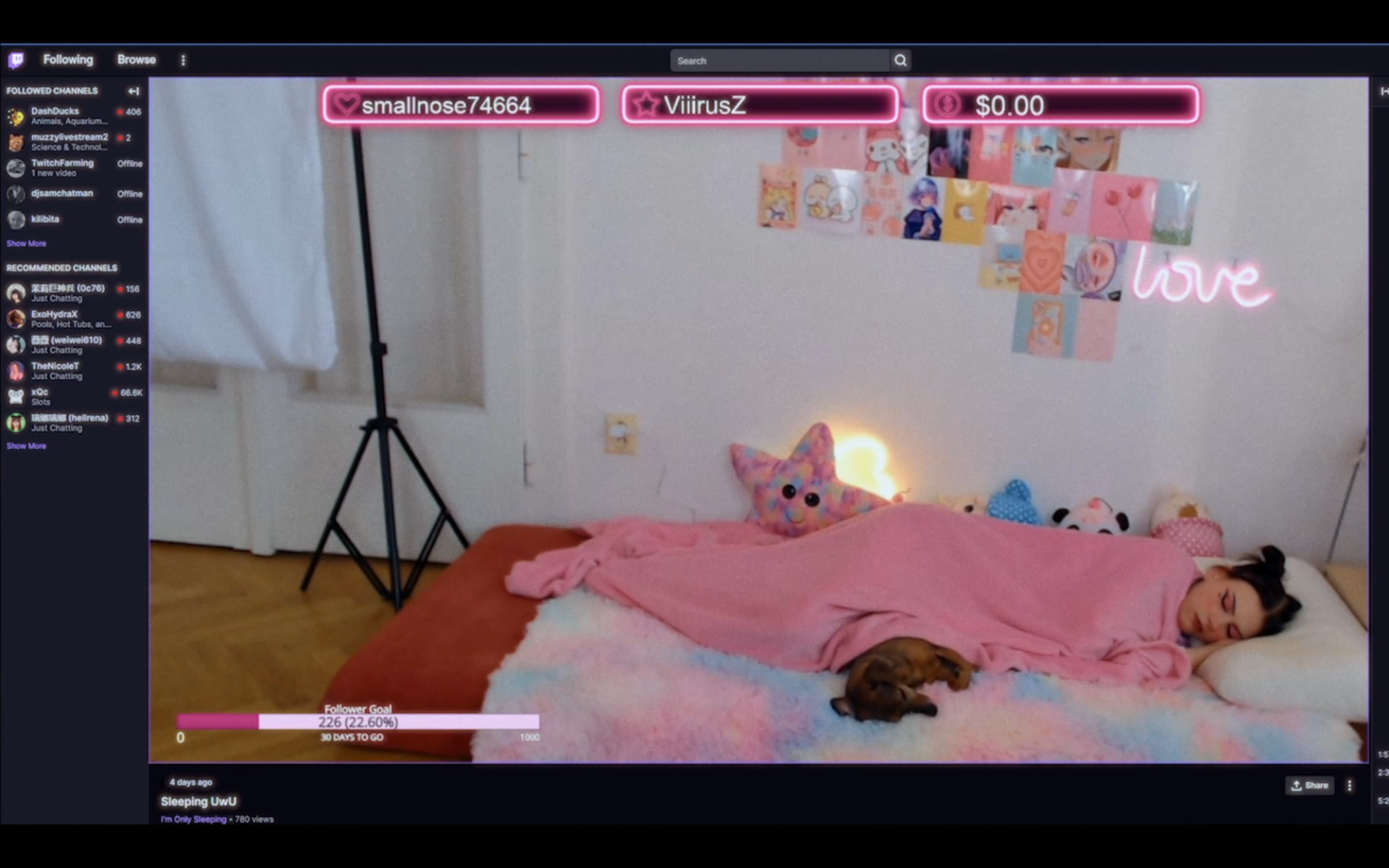
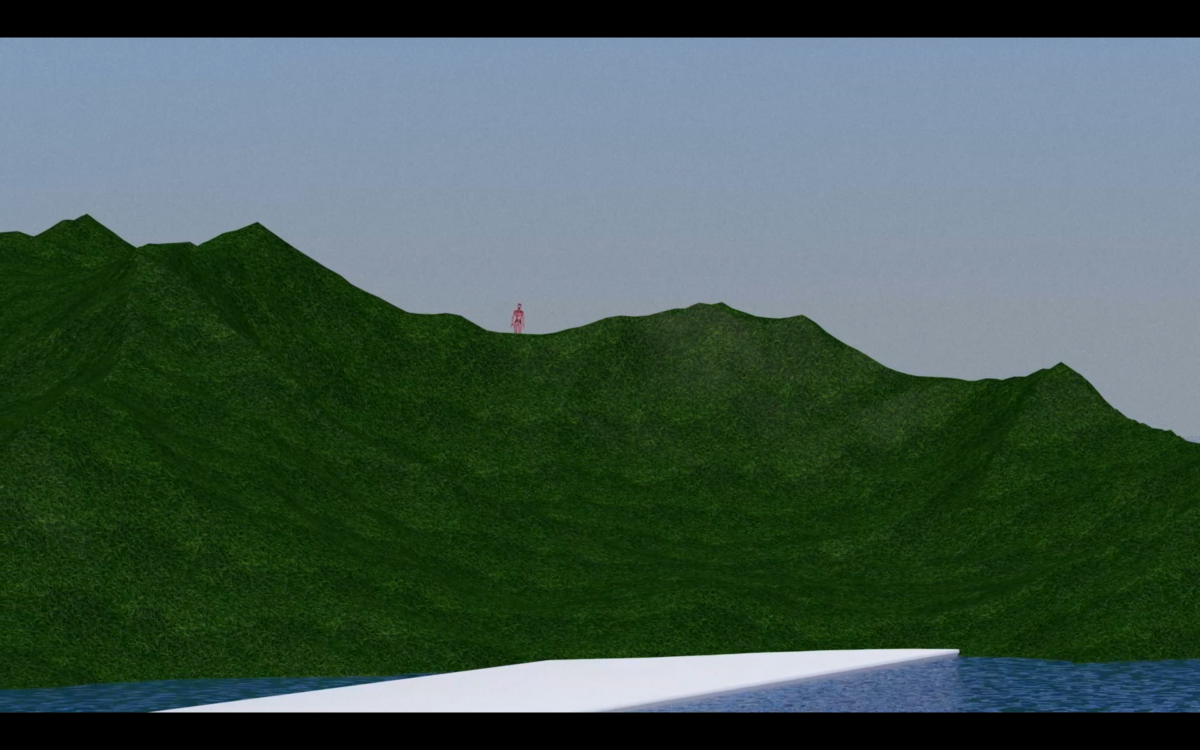
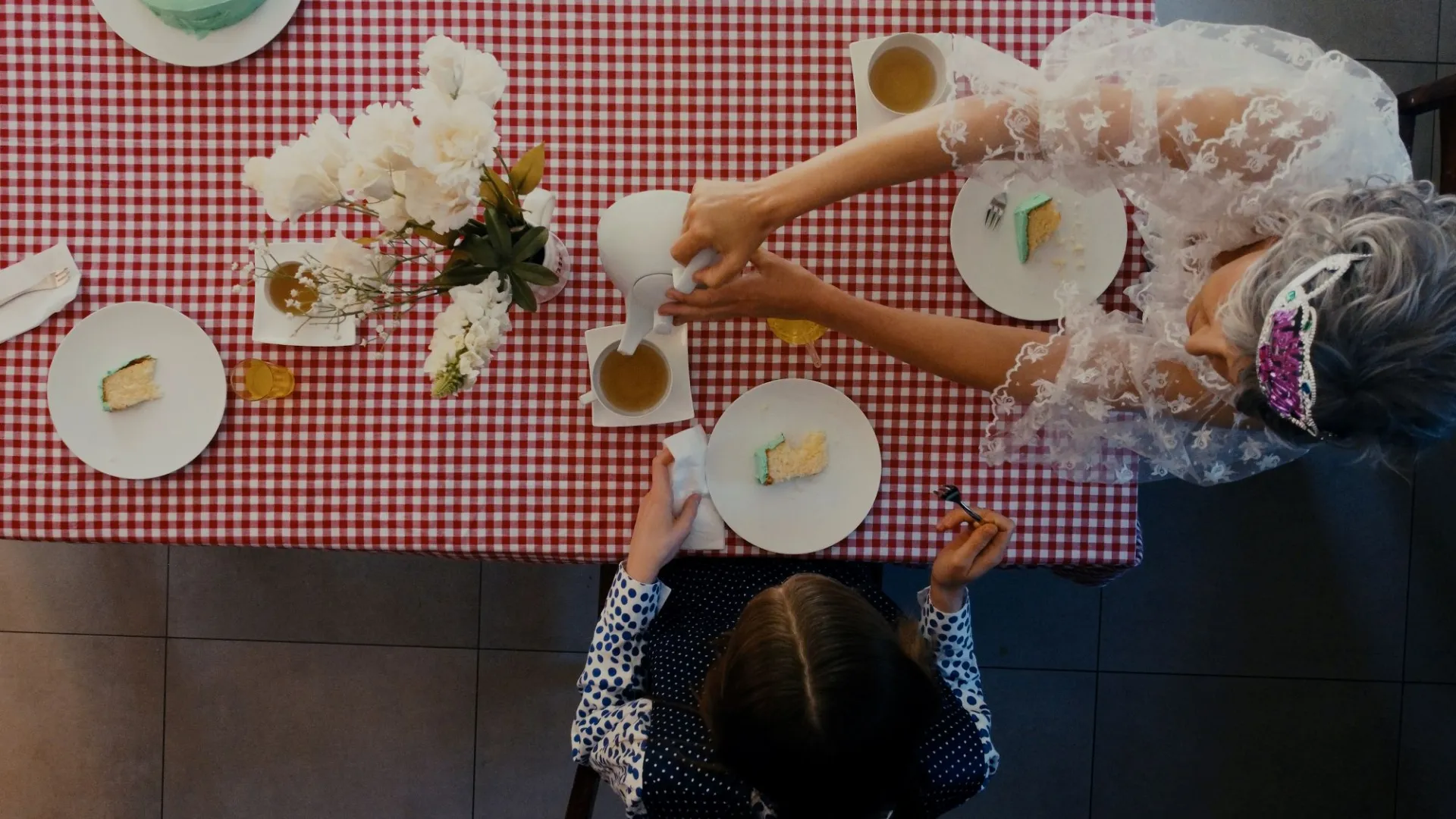
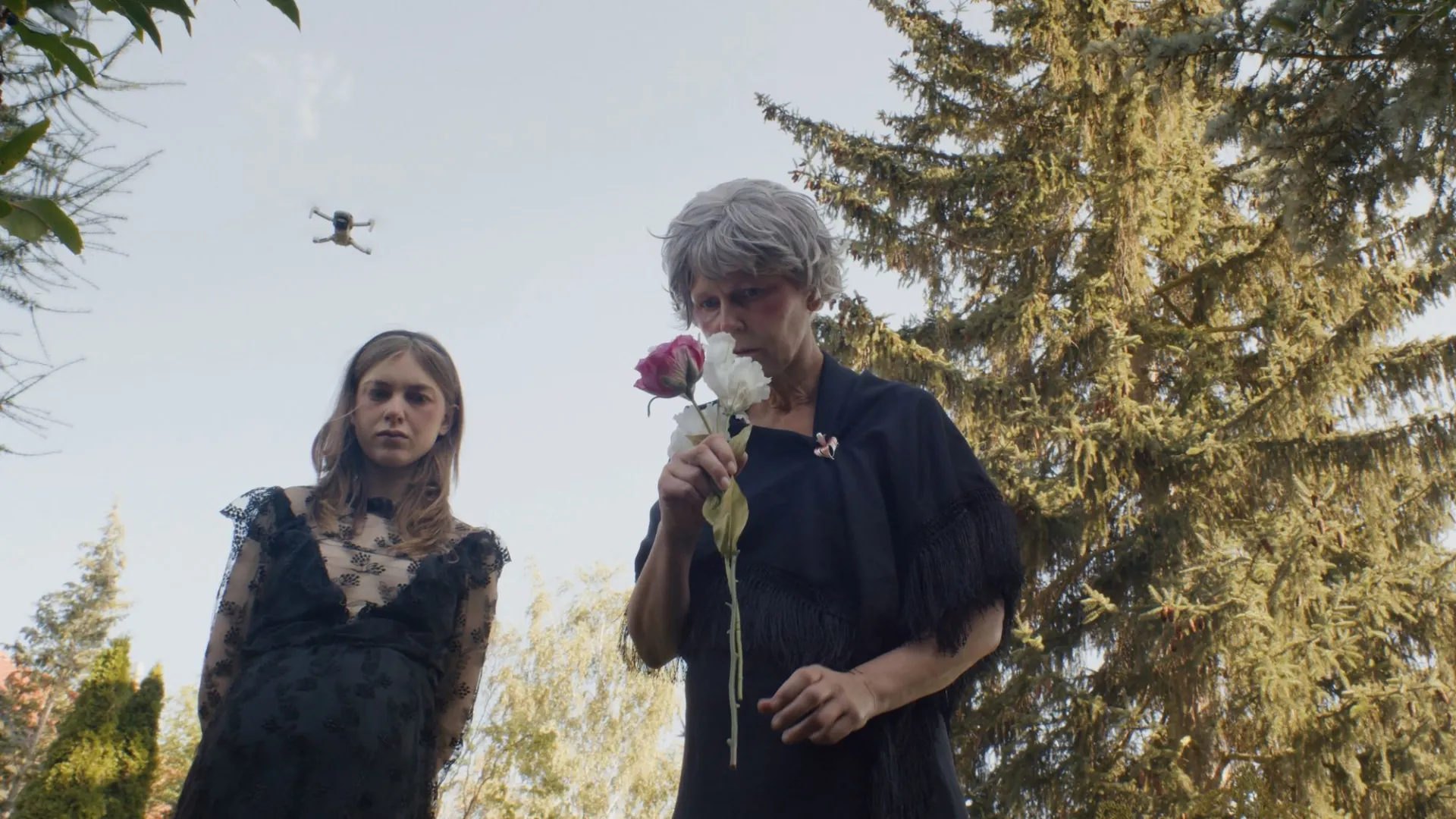
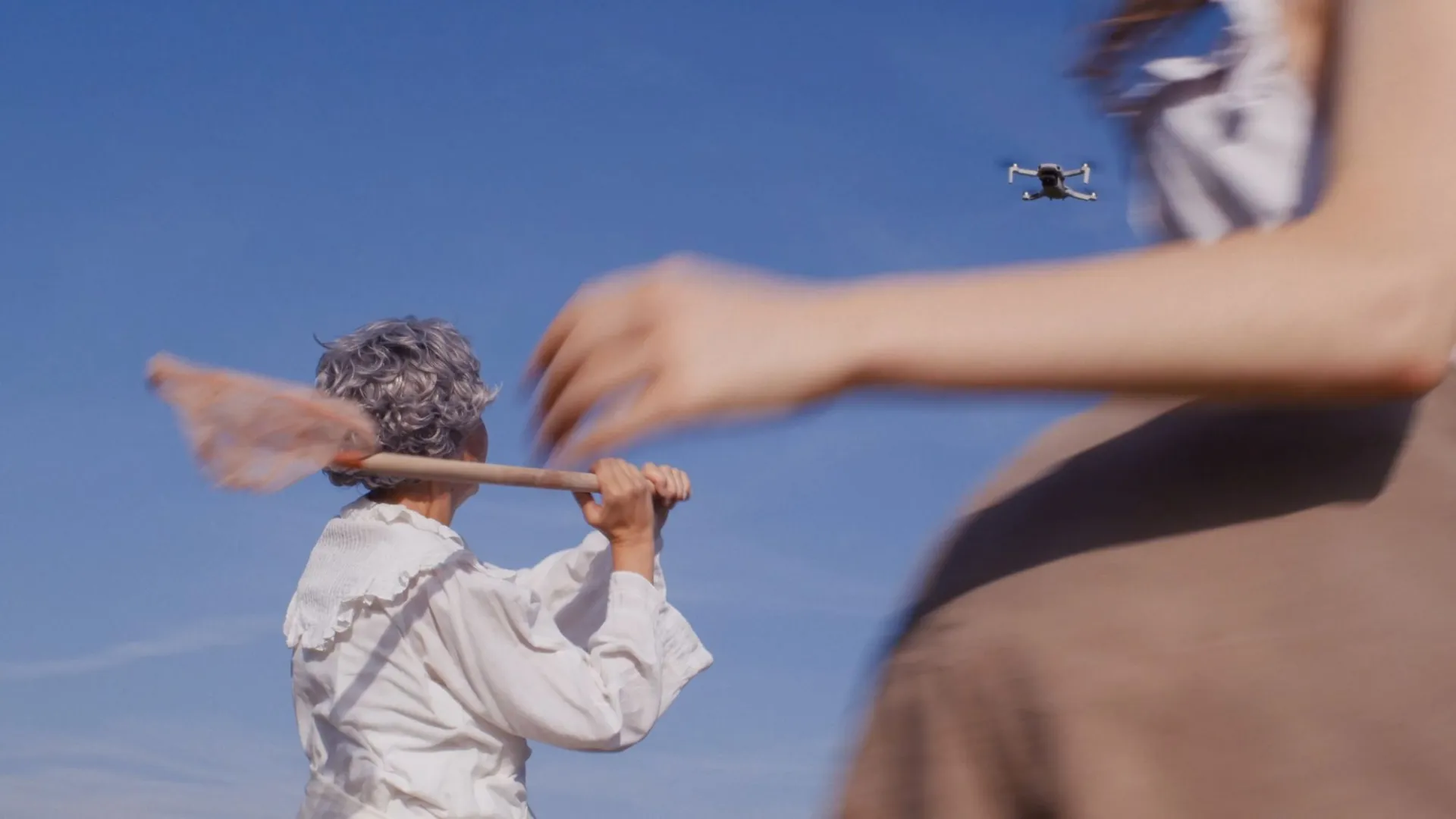
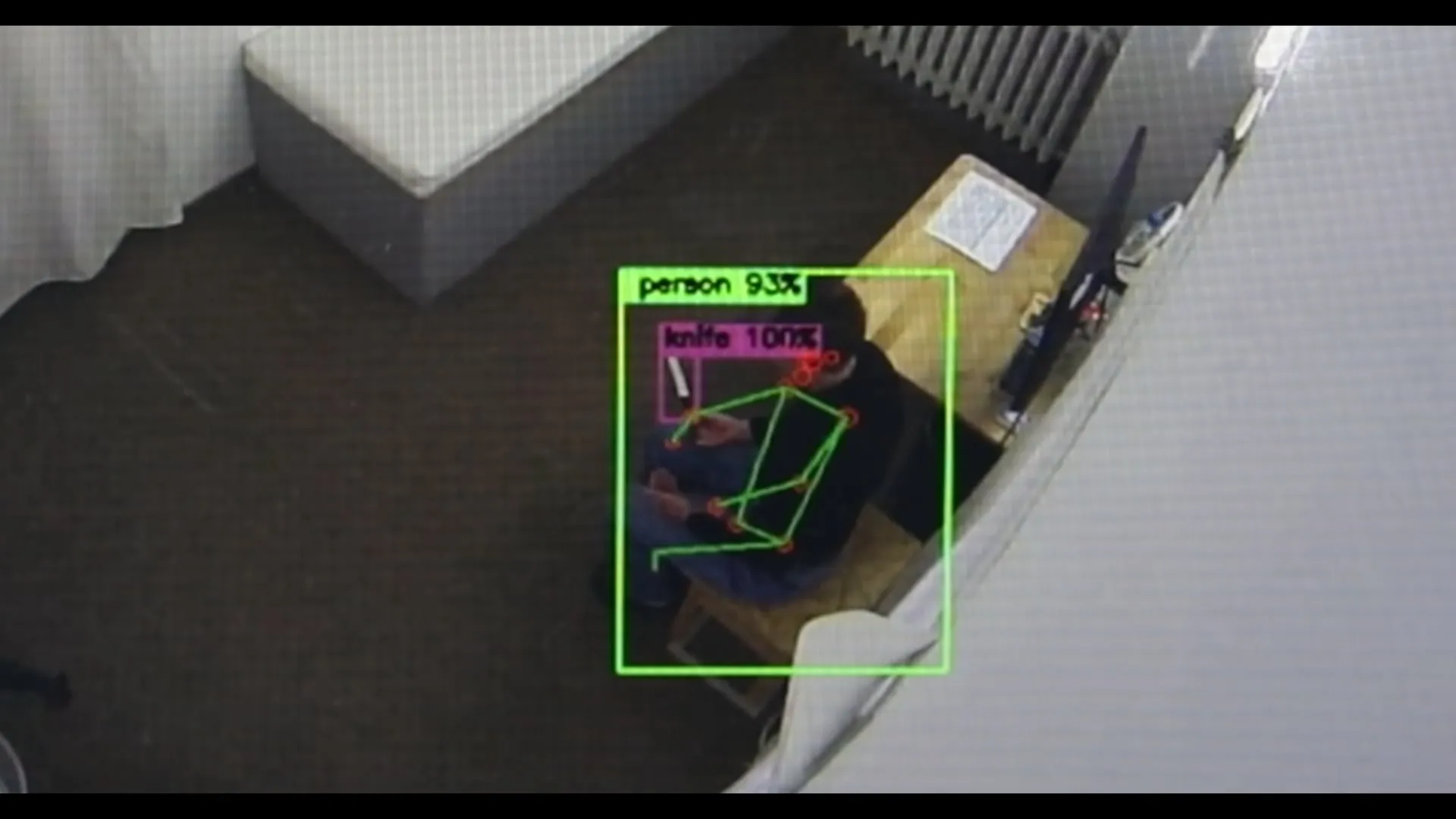
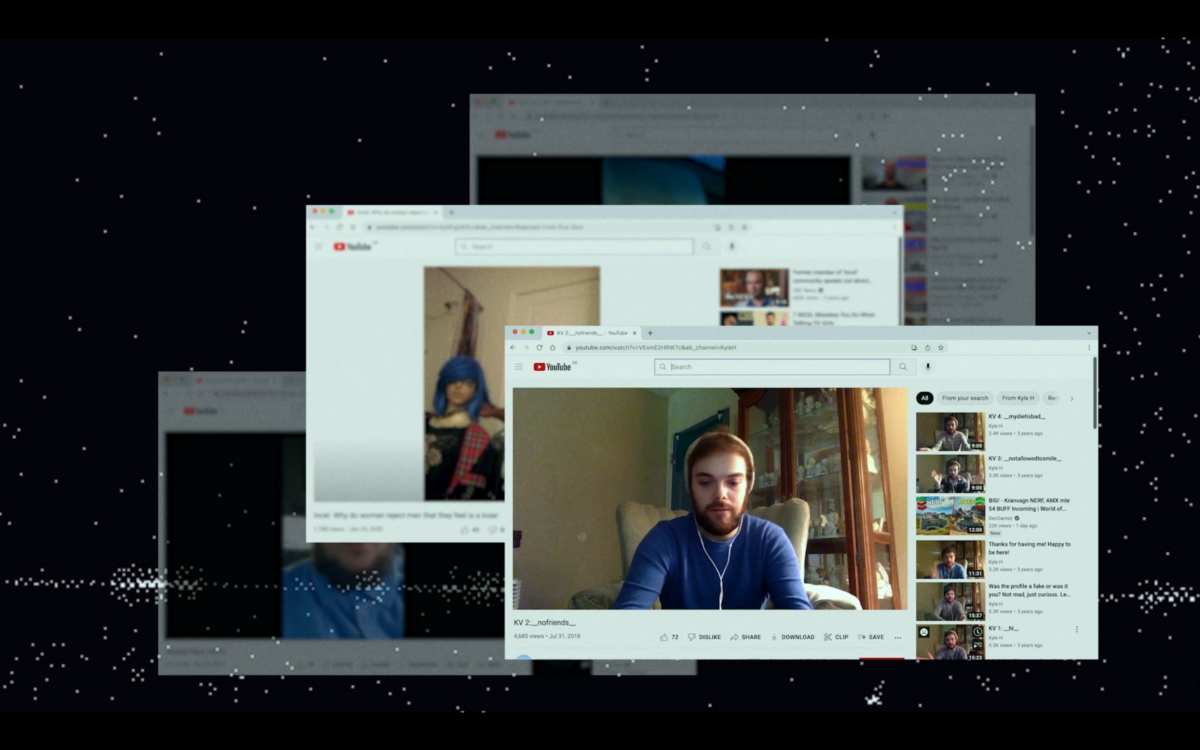
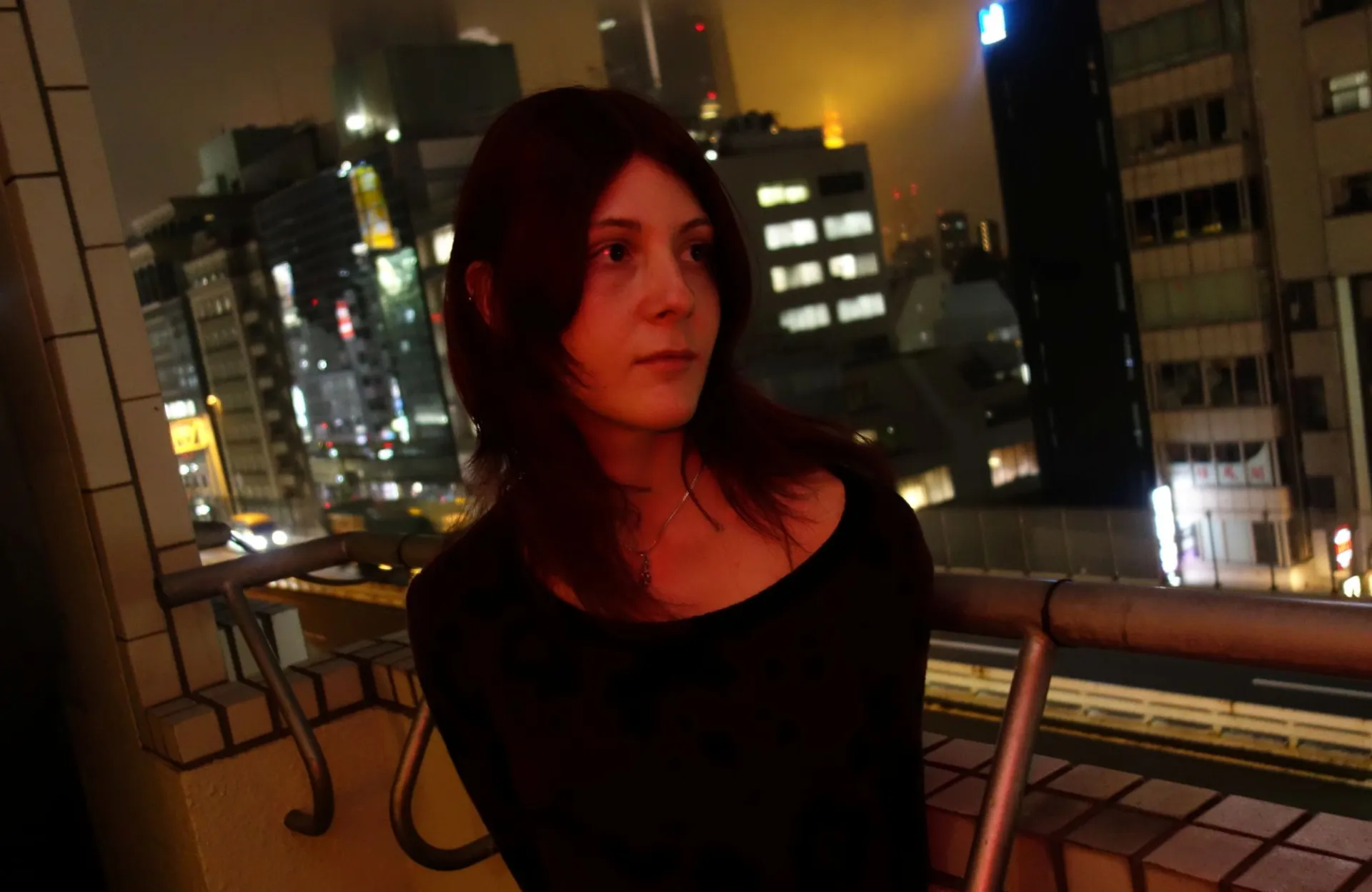
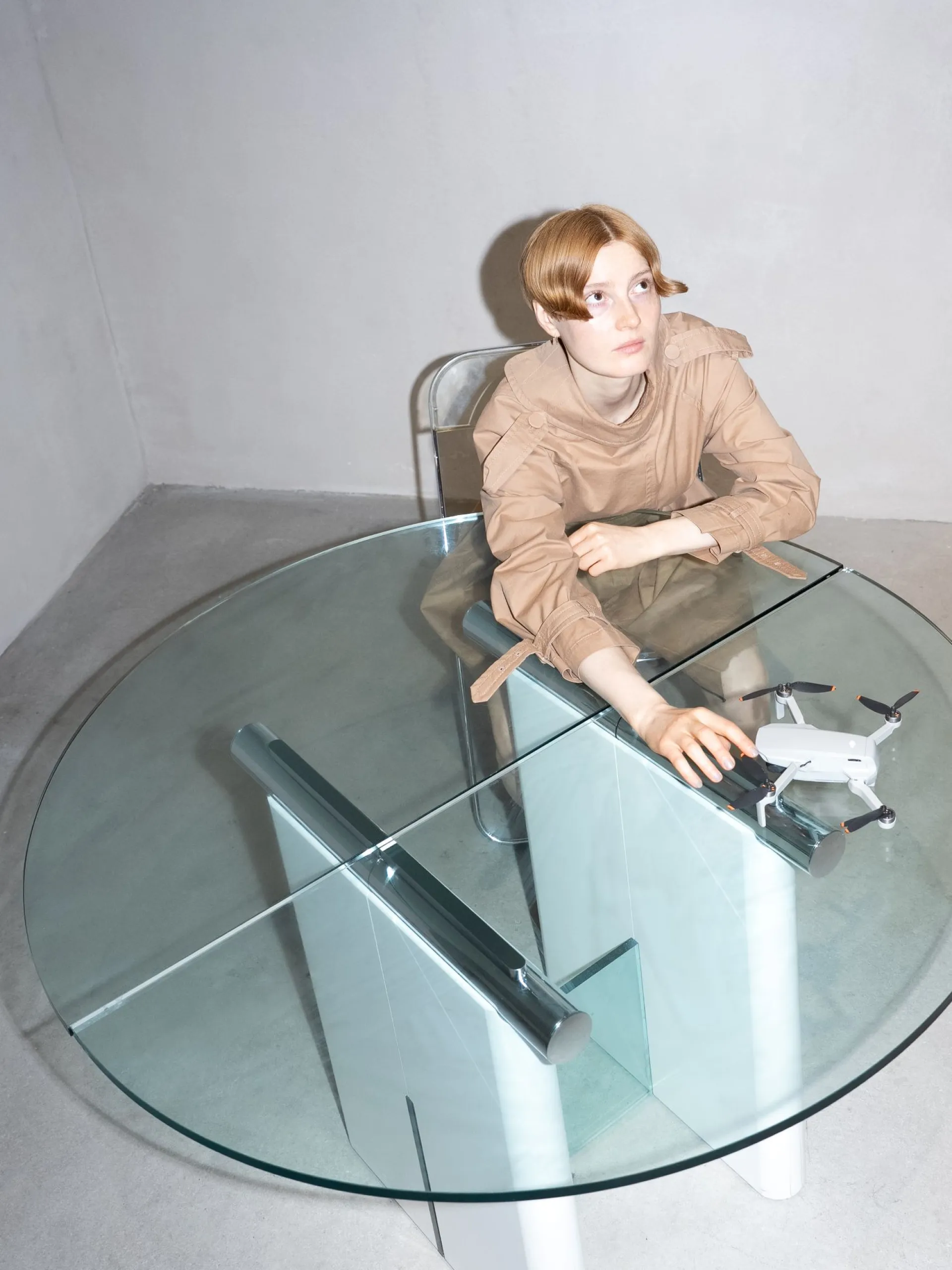
These contributions refuse the myth of frictionless online connection. They trace how digital infrastructures shape memory, trauma, and imagination, while staging forms of speculation and subversion that unsettle the logics of surveillance and control. Running parallel, the side program expands these topics into moving image and exhibition formats. The screenings bring together works that probe digital subjectivities, algorithmic vision, and the politics of care: Gala Hernández López’s The Mechanics of Fluids (2022) traces the networked solitude of online masculinities; Lydia Marx’s Little Pictures (2025) turns a drone’s unreliable memories into a study of machinic narration; and Alex Bartsch’s Imitation Machines (2025) examines the entanglement of AI, automated suicide prevention, and the afterlives of colonial violence. The exhibition The Will to Change by HALLE 14 – Centre for Contemporary Art gathers works by Christa Joo Hyun D’Angelo, Marc-Aurèle Debut, Jakob Ganslmeier & Ana Zibelnik, Kubra Khademi & Daniel Pettrow, and Eric Meier. 
Time Schedule Side Programm
10:00 – 19:00
Screenings
  • The Mechanics of Fluids, 2022, 38 min
    Gala Hernández

  • LITTLE PICTURES, 2025, 27 min
    Lydia Marx

  • Imitation Machines, 2025, 3-Channel Video, 22 min (total running time) 
    Alex Bartsch
10:00 – 19:00
Exhibition
Free to visit: “The Will to Change”
With works by Christa Joo Hyun D’Angelo, Marc-Aurèle Debut, Jakob Ganslmeier & Ana Zibelnik, Kubra Khademi & Daniel Pettrow, Eric Meier
Participants
Günseli Yalcinkaya
Günseli Yalcinkaya
Günseli is a writer, researcher and critic based in London, whose work explores how technology shapes myth. As Contributing Editor at Dazed Magazine and former External Research Associate at Moth Quantum, Günseli investigates internet folklore, tracking how emerging technologies – from AI to quantum computing – give rise to new ideologies, digital superstitions and collective fantasies.
Shumon Basar
Shumon Basar
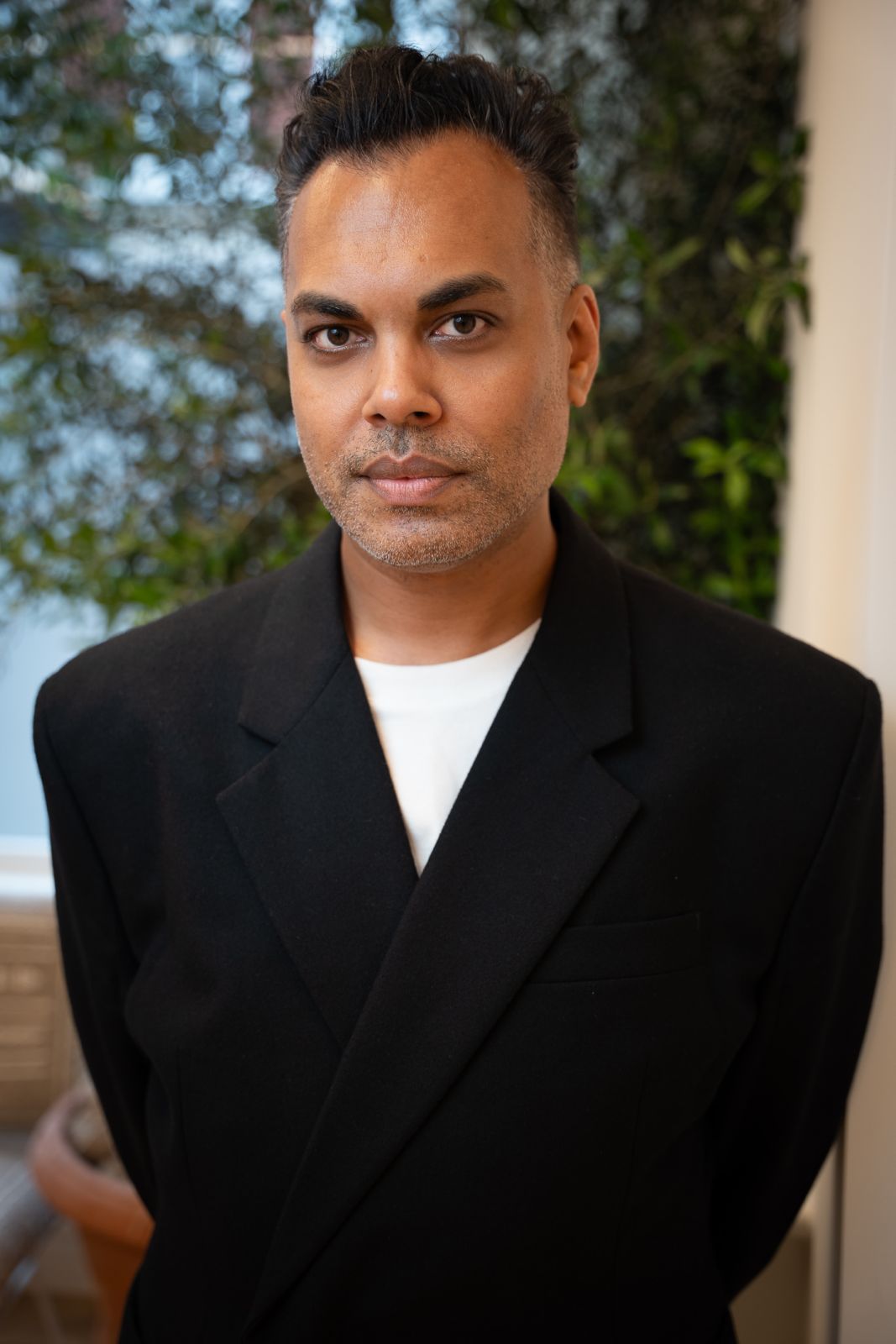
Shumon Basar is a writer, editor, and curator whose work moves between art, architecture, media, and the cultural logic of the contemporary world. He has recently helped to establish Ibraaz, a space for art, ideas and culture from the Global Majority, in the heart of London. He's been Commissioner of the Global Art Forum in Dubai for over 15 years and was Curator of Public Programme at Art Week Riyadh in 2025. He also works with Prada and Miu Miu and was a founding member of the Fondazione Prada Thought Council.
Shusha Niederberger & Heiko Schmid
Shusha Niederberger is an artist, educator, and researcher in the field of digital art and culture. She studied fine arts and digital art in Zurich and Vienna and designed and directed the educational program for the HEK (House of Electronic Arts Basel).
Heiko Schmid is an art and media scholar, curator, and author, specializing in the intersection of art, media, and cultural history. His work explores themes such as the science fiction genre, digital popular culture, and educational strategies that emphasize complexity in the arts. Heiko is also the president of the KiöR (Kunst im öffentlichen Raum) commission in Zurich.
Franziska von Hasselbach
Franziska von Hasselbach is an art historian and Senior Director at Sprüth Magers in Berlin, one of Europe’s leading global galleries for contemporary art. Her work moves between contemporary art, institutional strategy, and cultural sustainability. She helped establish the Berlin branch of the Gallery Climate Coalition, an initiative advocating for more sustainable practices in the art world. She has contributed to exhibitions and publications exploring photography, technology and feminist perspectives in visual culture.
Orhun Mersin & Yagmur Uçkunkaya
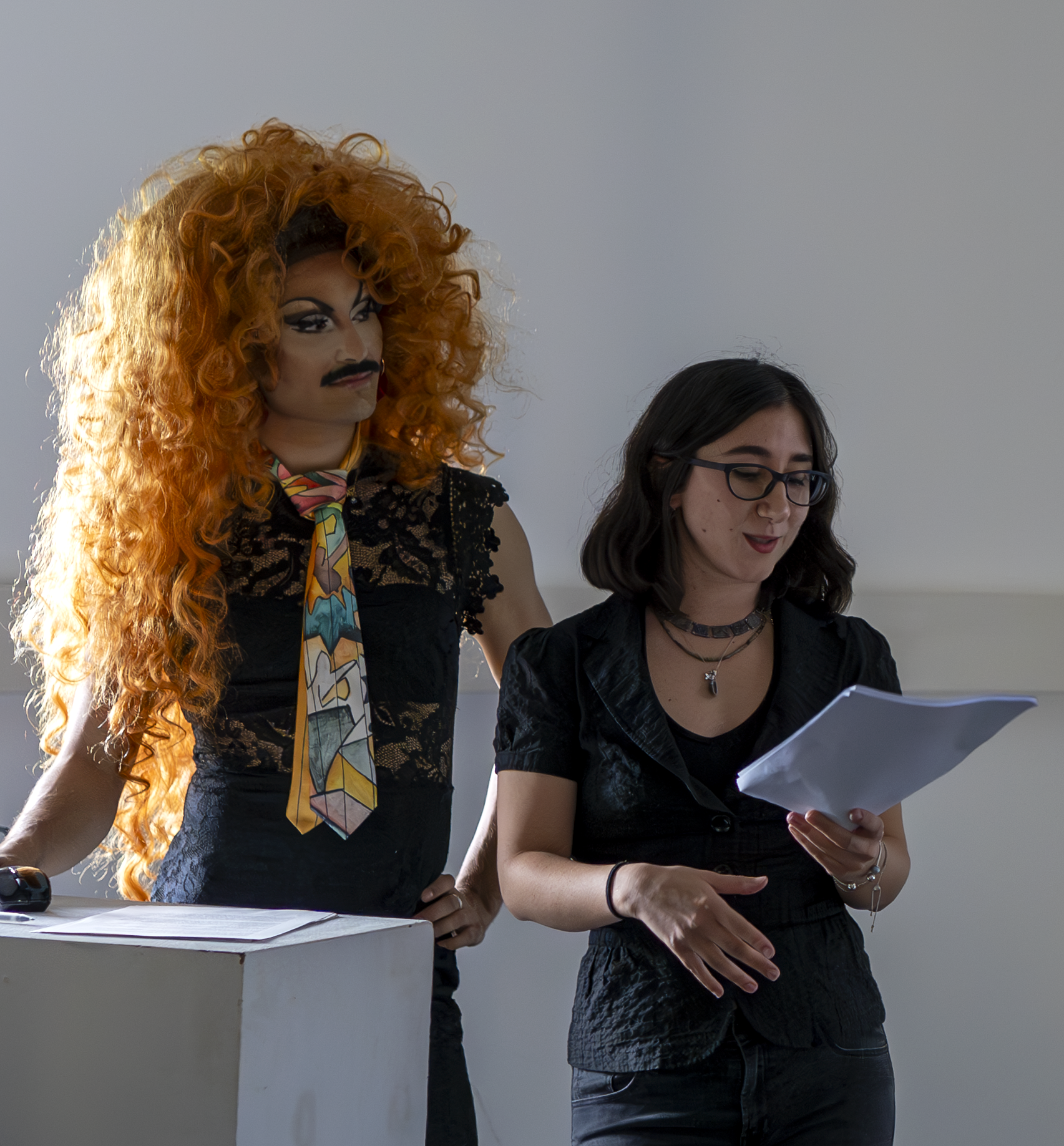
Orhun Mersin, better known as Kekik, is a Turkish drag artist, AI researcher, and dancer based in Berlin. Trained as a contemporary dancer and holding a Bachelor’s degree in computer science, they have been part of the research platform New Practice in Art and Technology at TU–UdK Berlin. Active both in queer academics and queer nightlife, they facilitate lectures and workshops –in drag on drag– and they have obtained their MA with a thesis proposing and exploring “dragging” as a speculative methodology rooted in queer failure, creating alternative images in which the future can be lived.
Yagmur Uçkunkaya works with AI technologies across artistic and interdisciplinary contexts, focusing on its emergent imaginaries, societal implications and operational processes. Holding a Bachelor’s in Medieninformatik, she spent several years at a creative AI agency, contributing to projects ranging from anarchic speech instruments to intelligent irrigation prediction systems for Berlin’s urban trees. Her current practice centers on research-driven, critical perspectives on AI applications, informed in part by her Master’s studies in Design & Computation at TU–UdK Berlin.
Lydia Marx
Lydia Marx
Lydia Marx (born 1995, lives and works in Berlin) is an artist and filmmaker. Her work encompasses video pieces, photography and installations, in which she explores collective and individual memories as well as technological developments. In her practice, she constructs complex narratives and visual worlds, synchronizing them with processes of human emotions and the shifting of time periods in historical and fictional contexts.
Alex Bartsch
Alex Bartsch
Alex Bartsch works at the intersection of documentary, essay and video art. His work deals with colonial extraction logics in discourse and technology. Studies at the HGB Leipzig with Peggy Buth, Clemens von Wedemeyer and Mareike Bernien.
The symposium is organized as part of (Un)Learning Digitalities with Prof. Anna Ehrenstein, Photography in the Field of Contemporary Art Class of the Hochschule für Grafik und Buchkunst / Academy of Fine Arts Leipzig and the Büro für Digitale Lehre (Eliza Goldox, Juness Beshir and Fabian Lehmann) in cooperation with HALLE 14. The project is co-financed by the European Union and is co-funded by public funds on the basis of the budget approved by the Saxon state parliament.