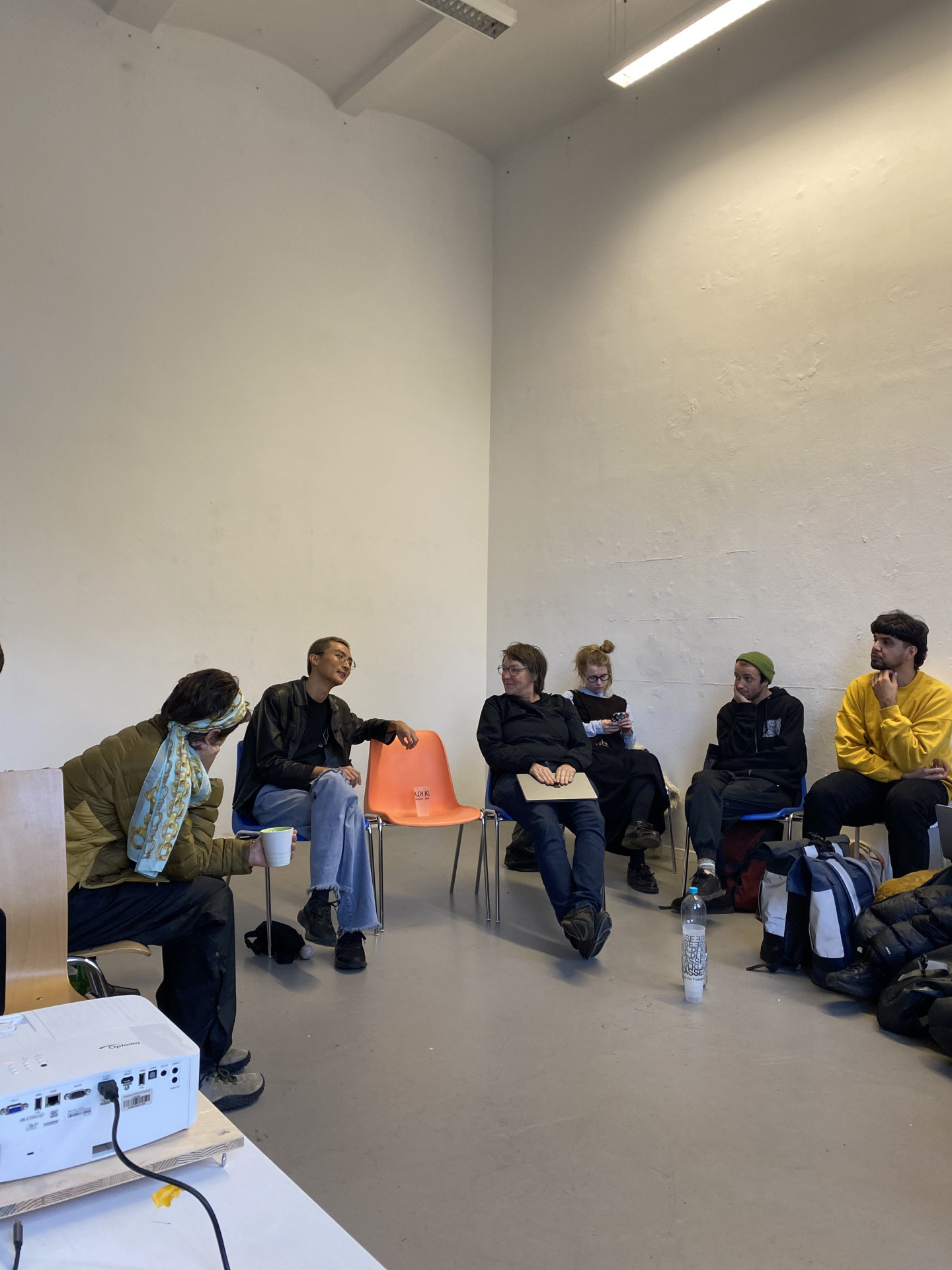
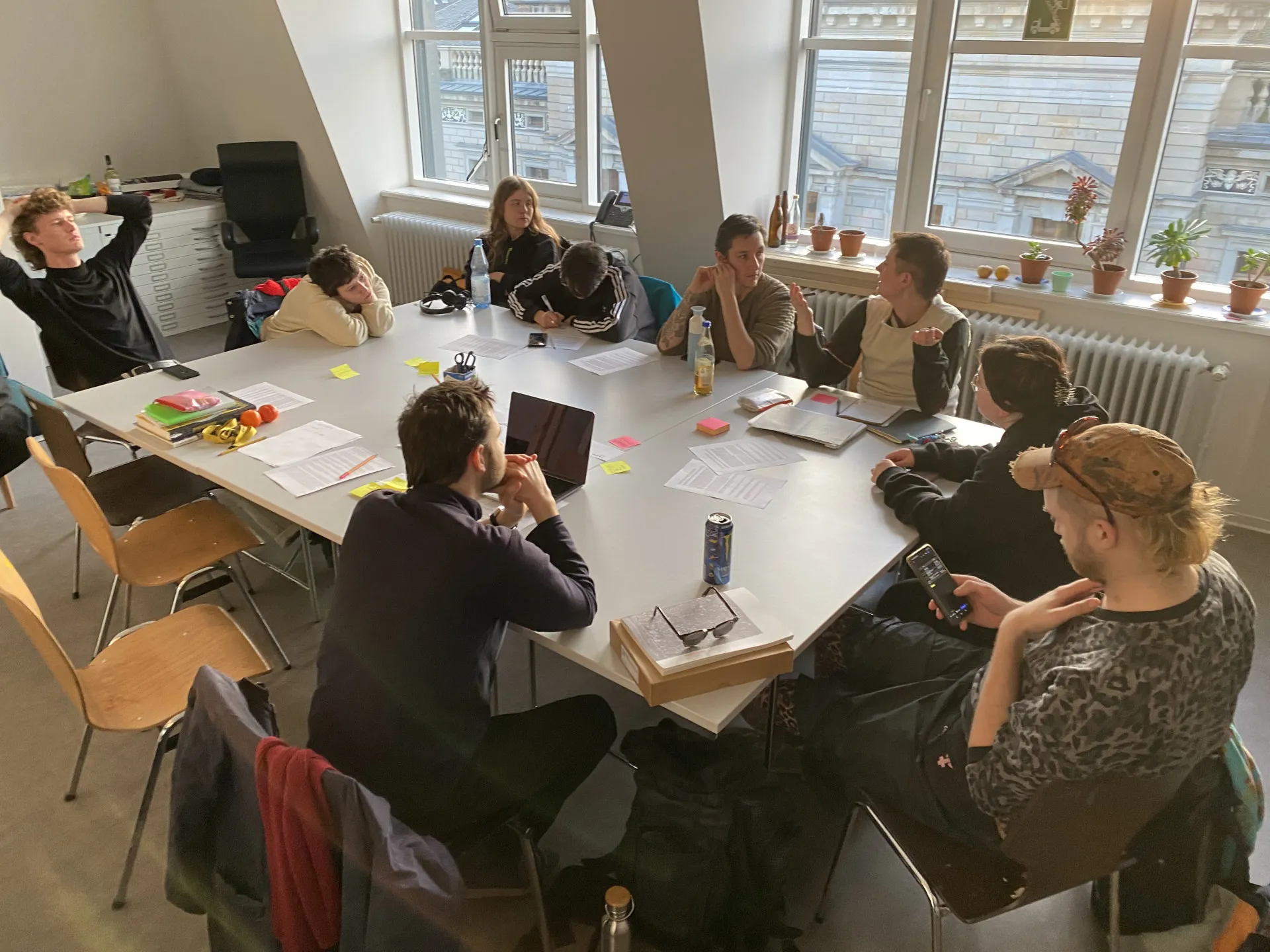
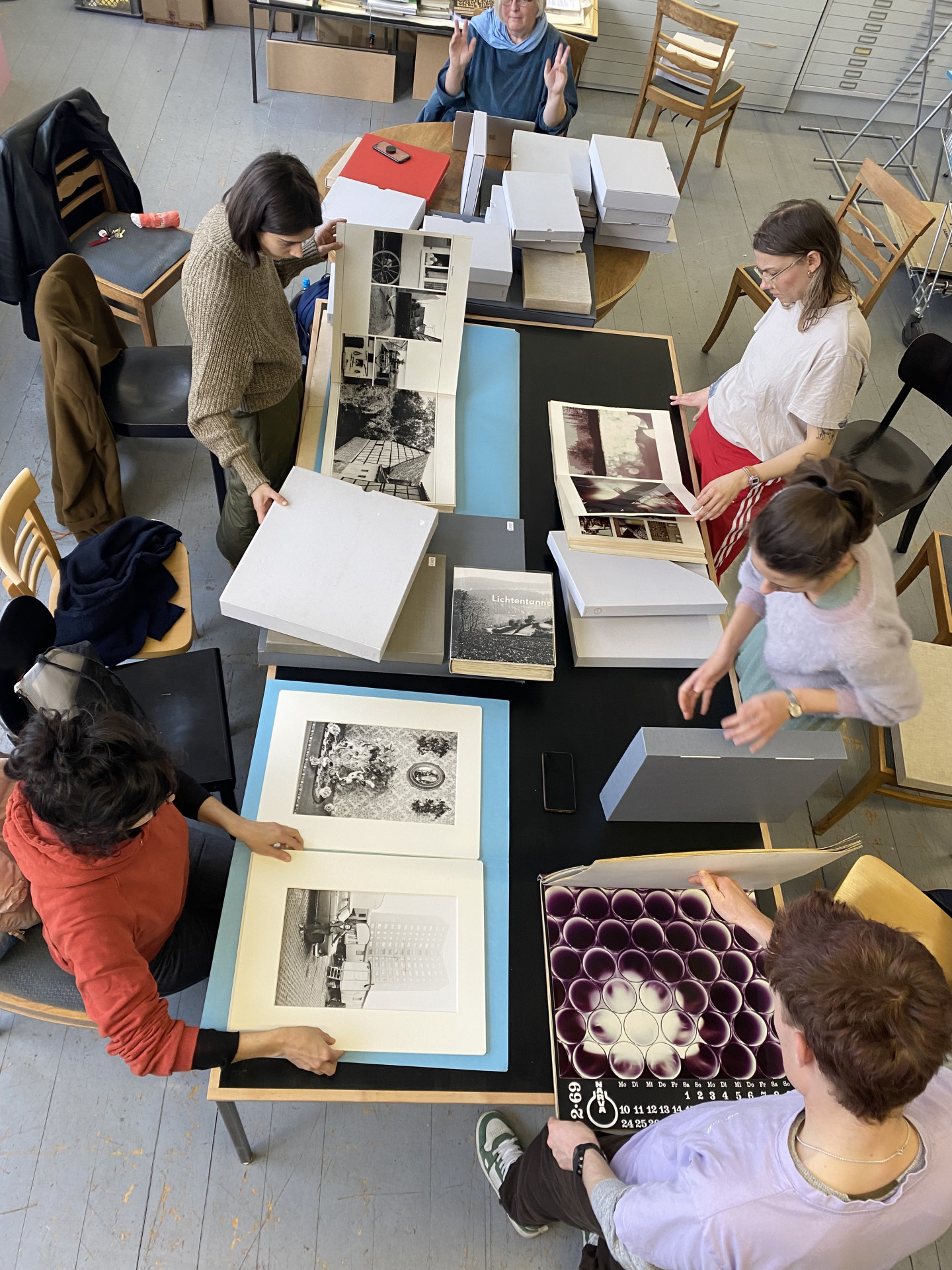
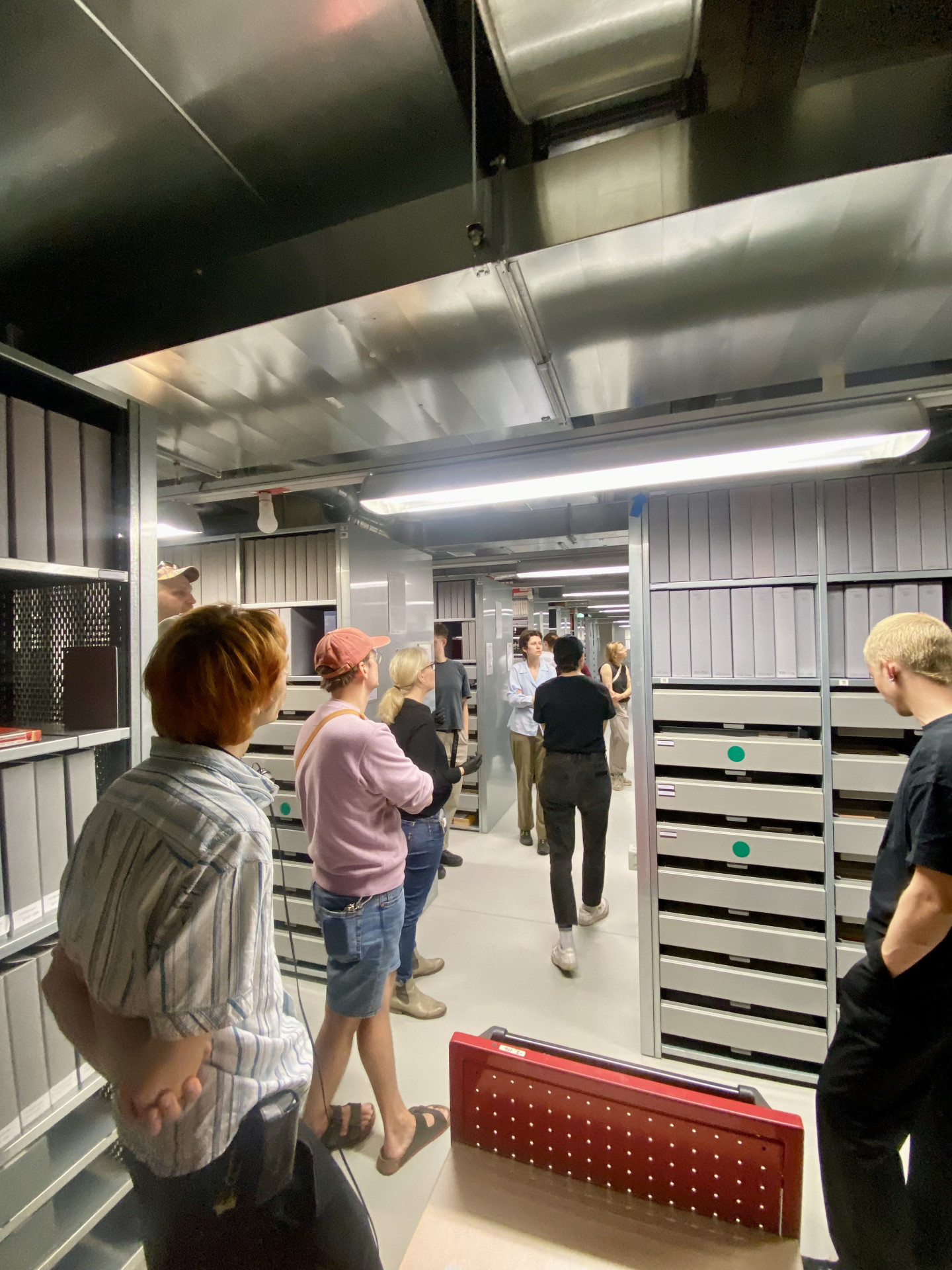
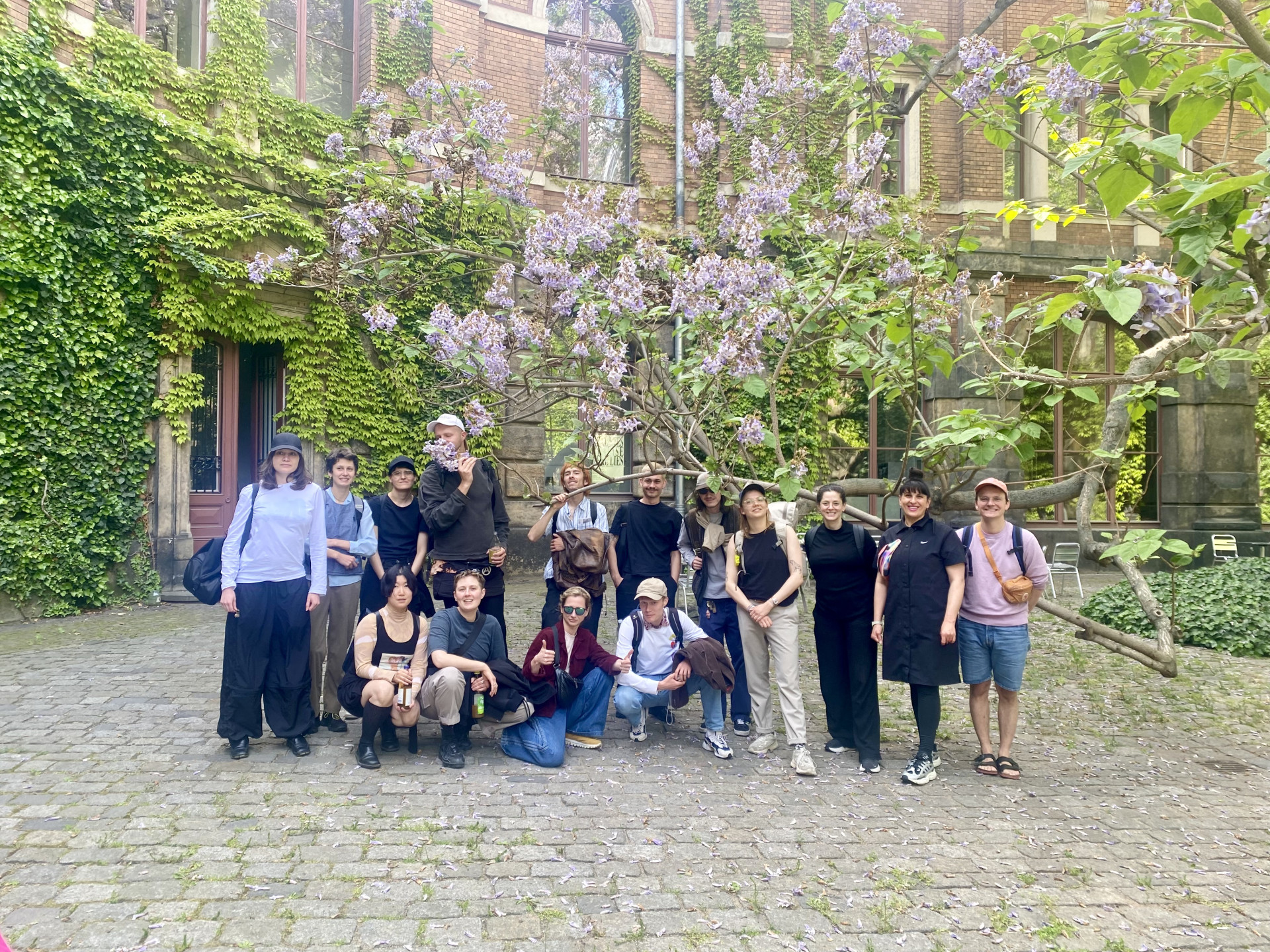
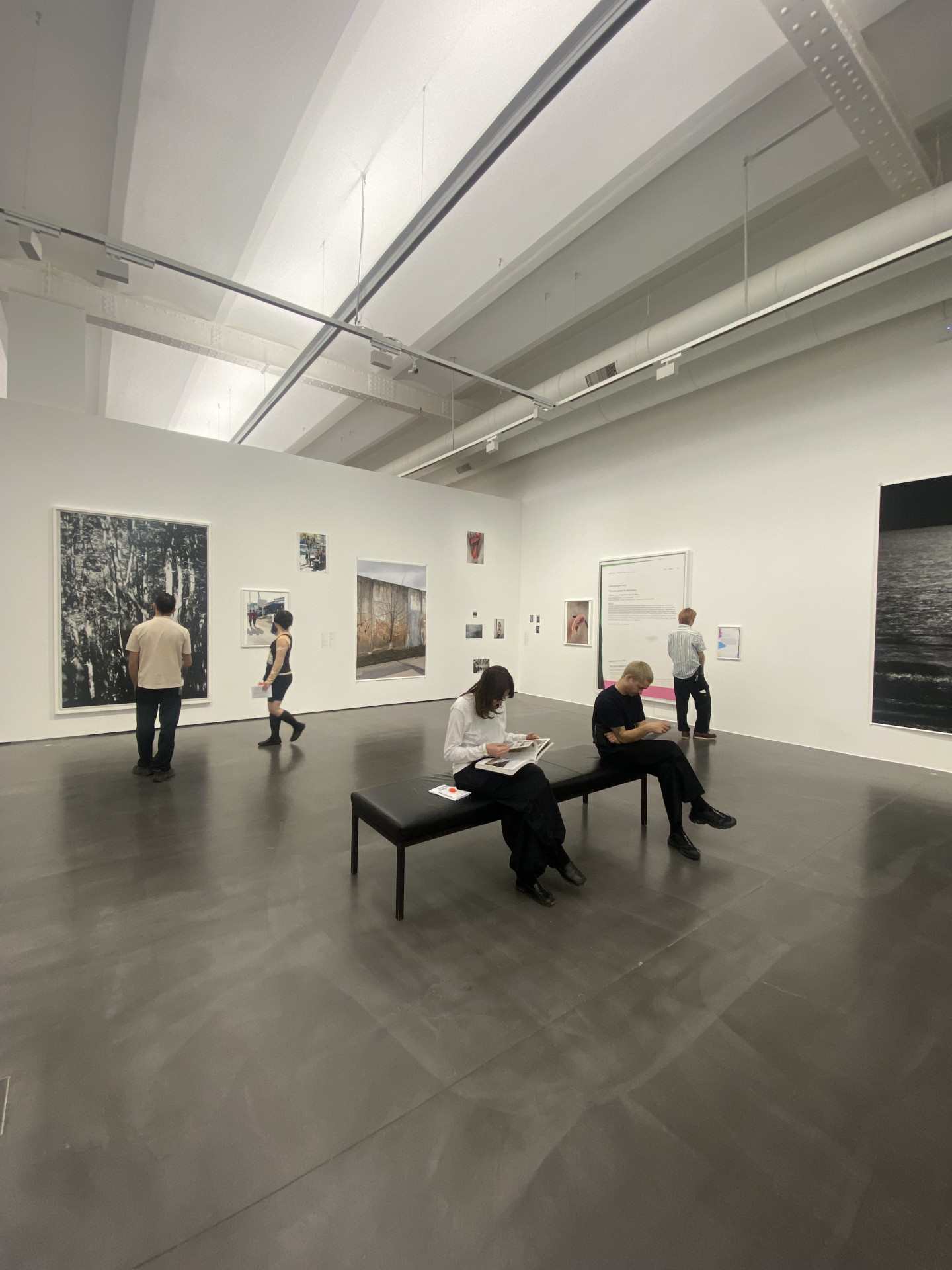
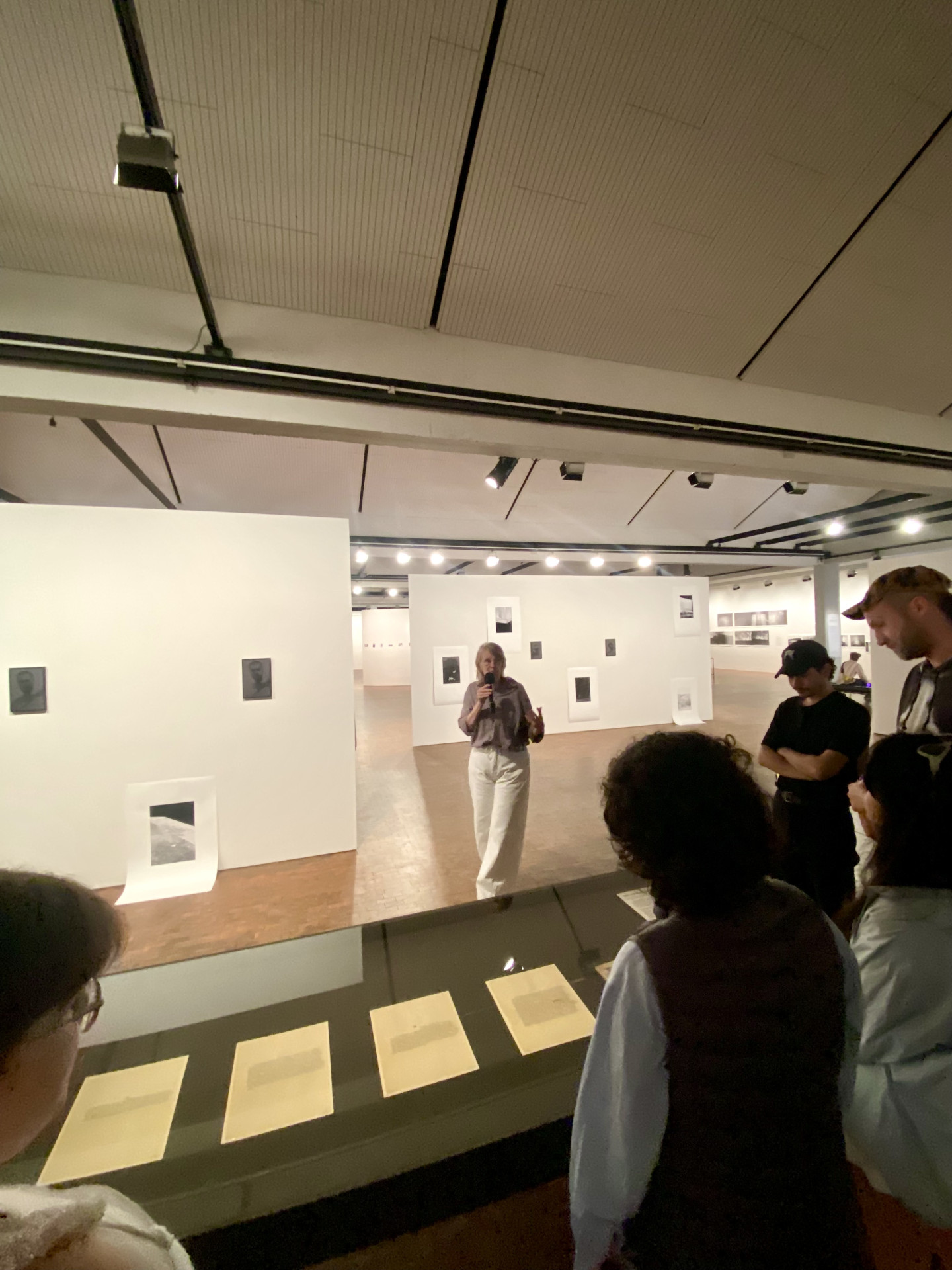
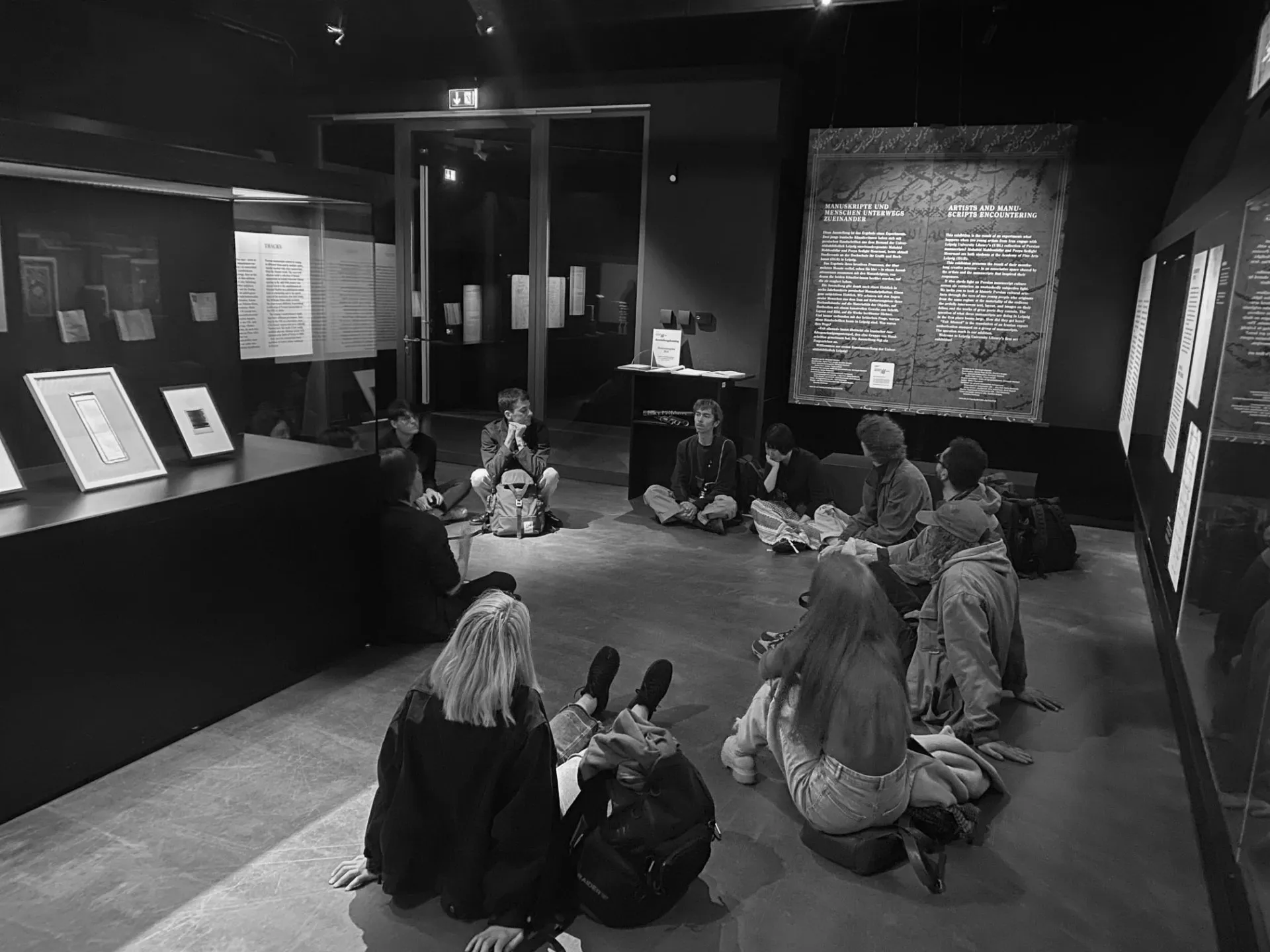
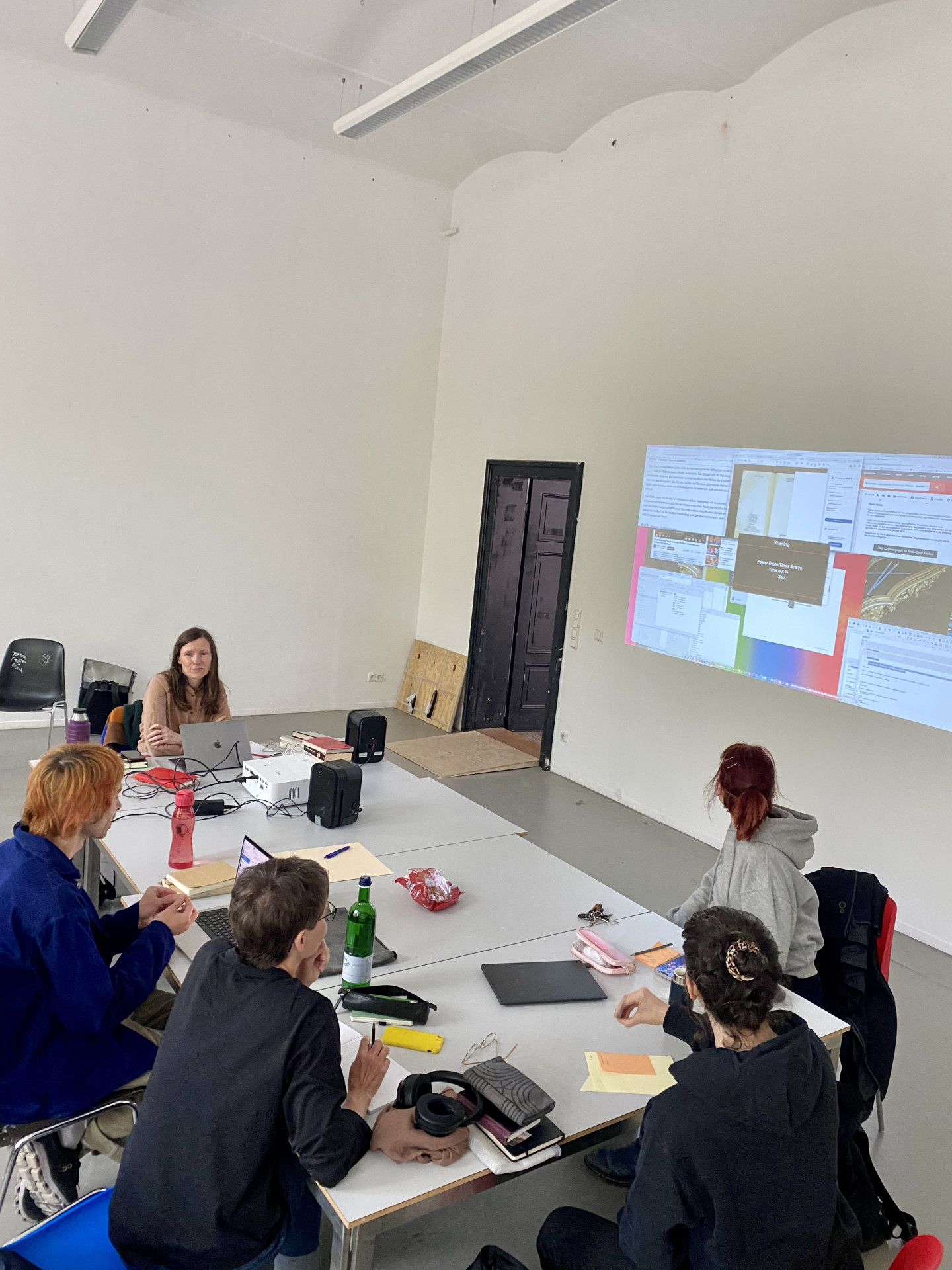
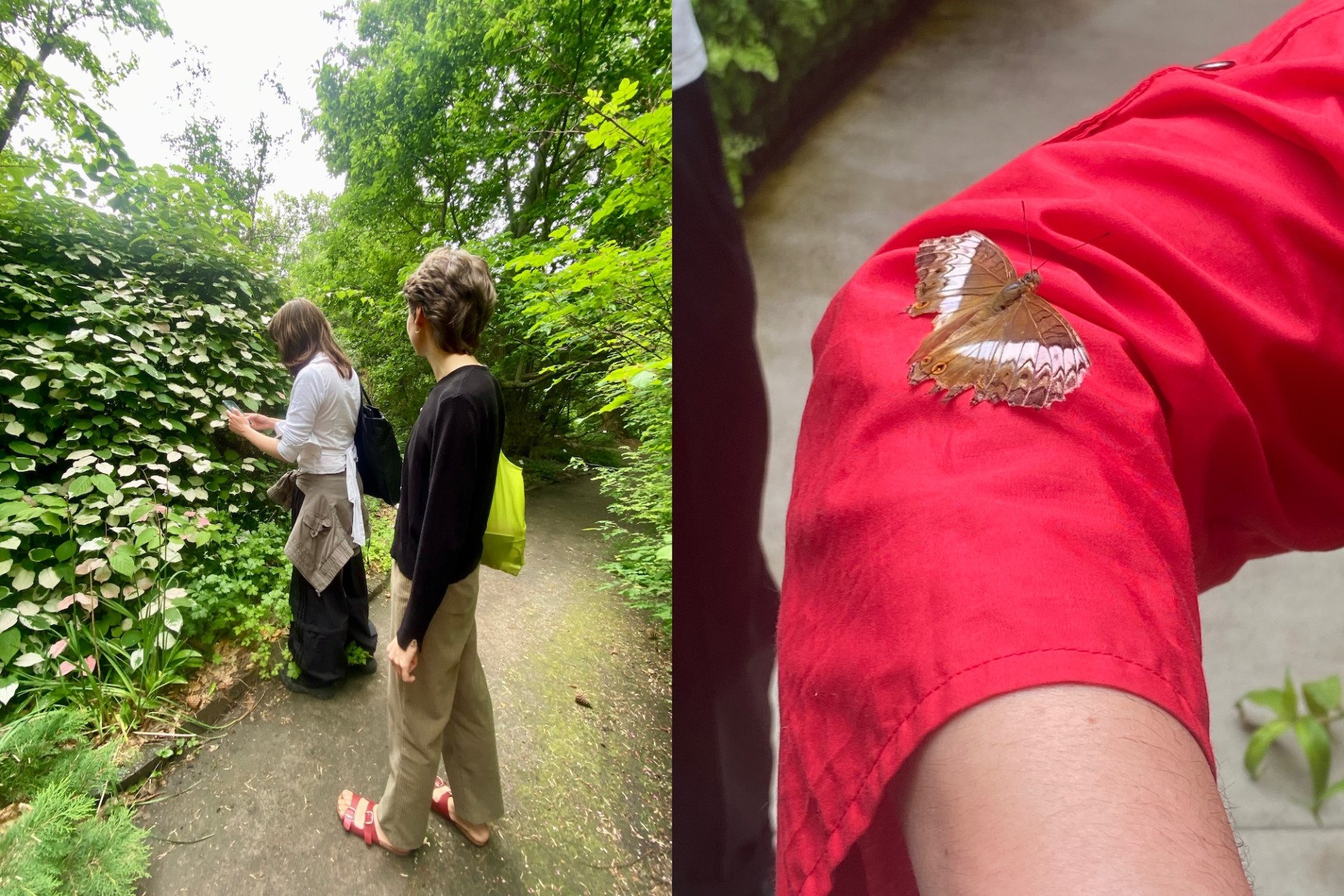
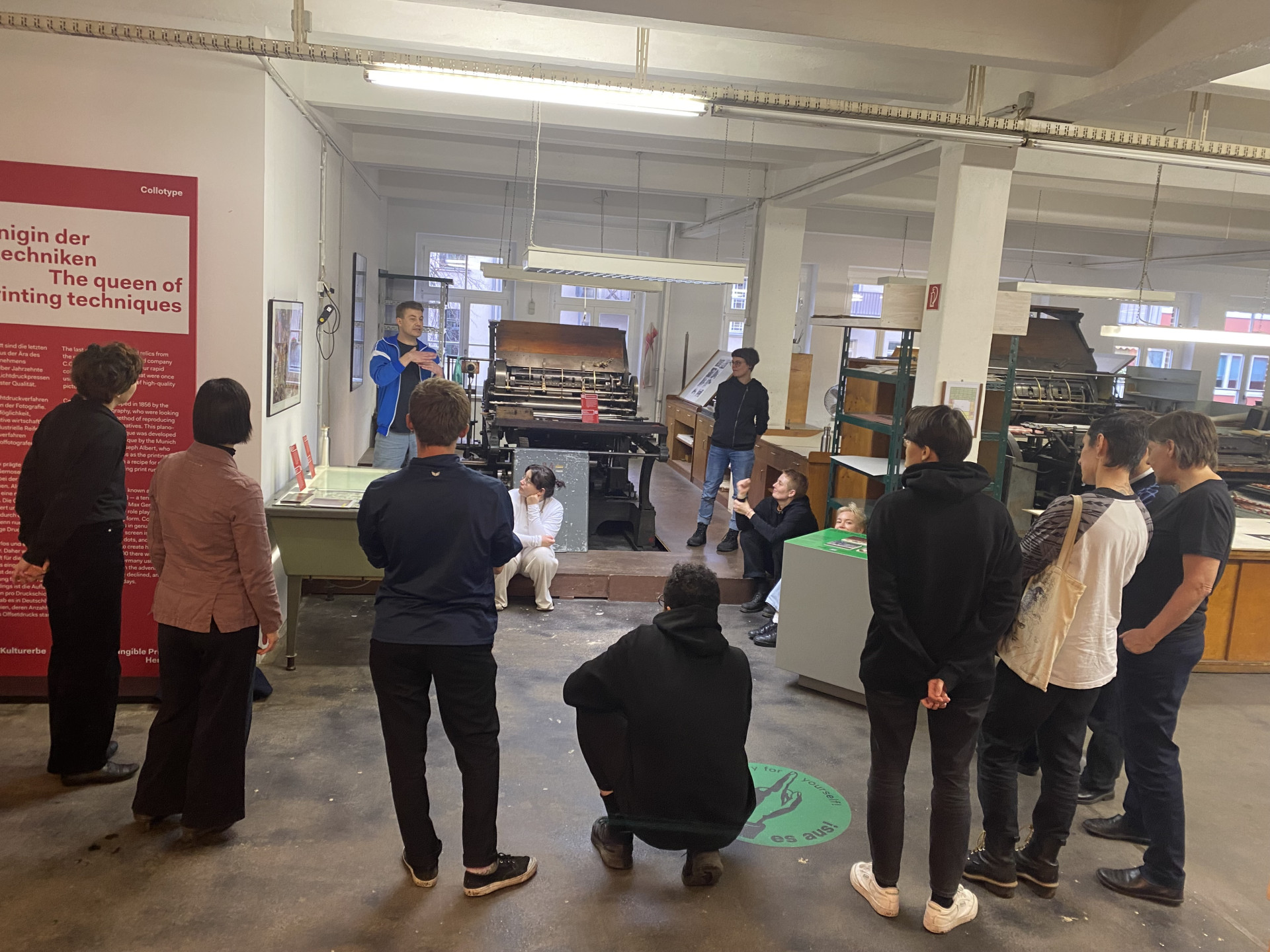
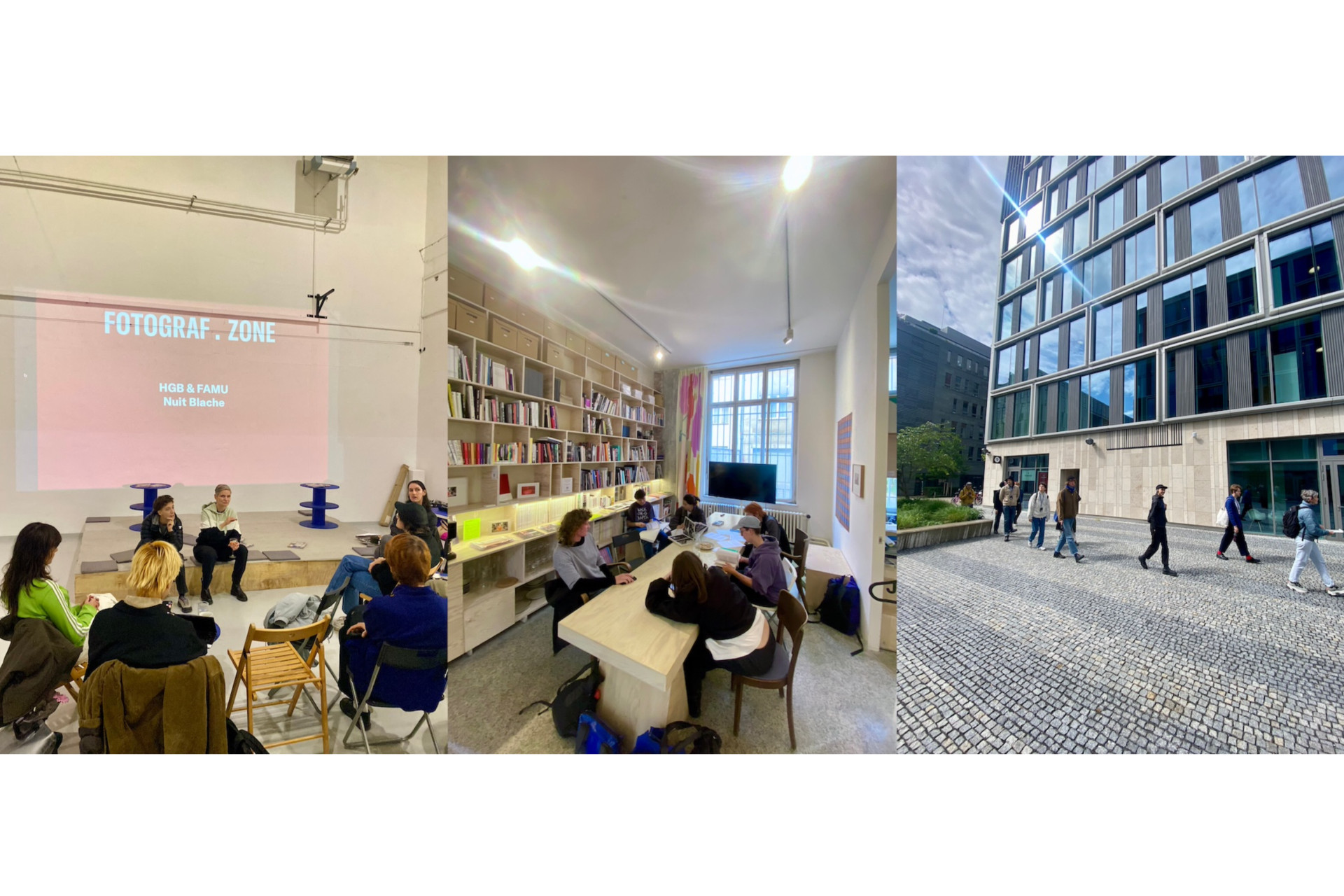
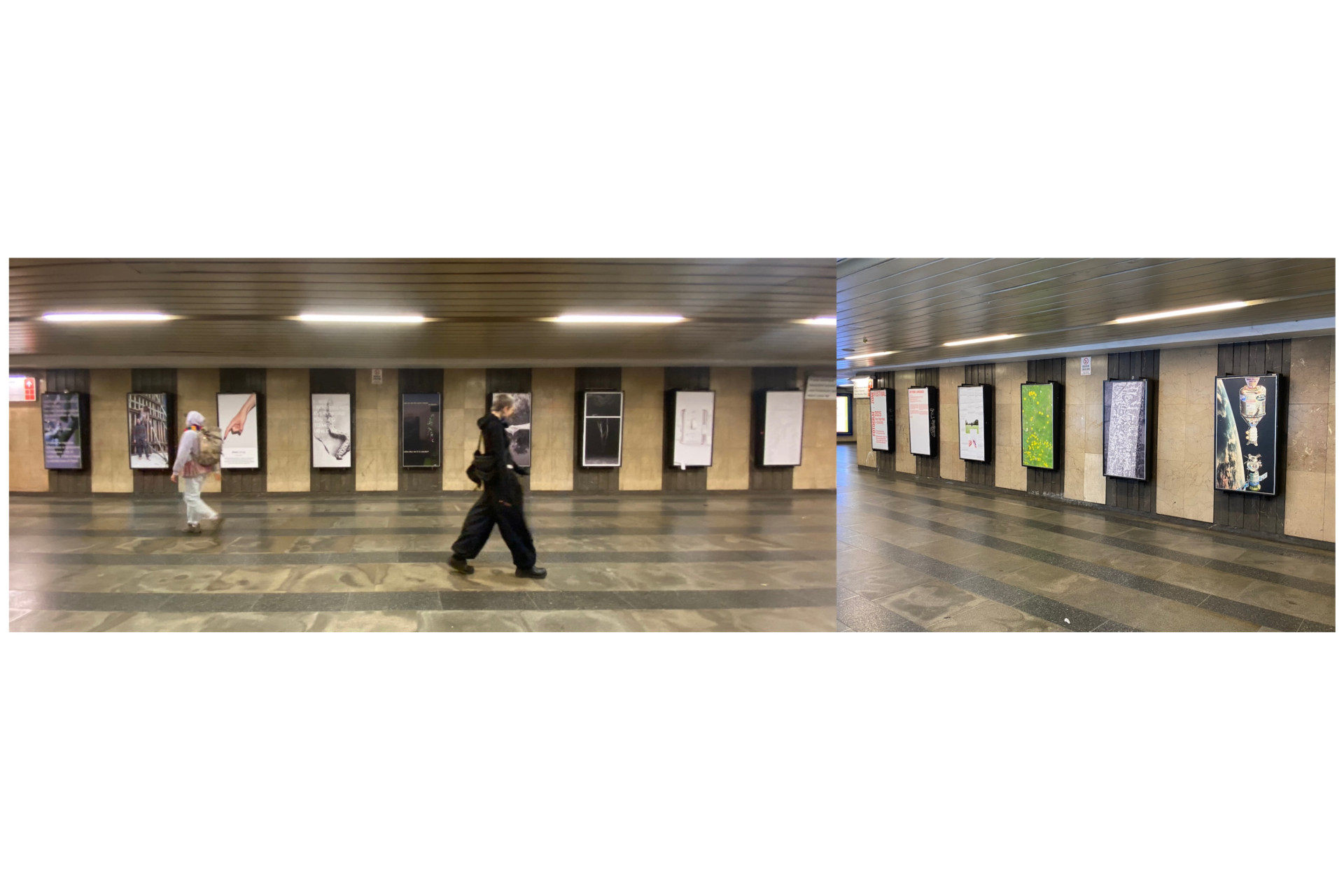
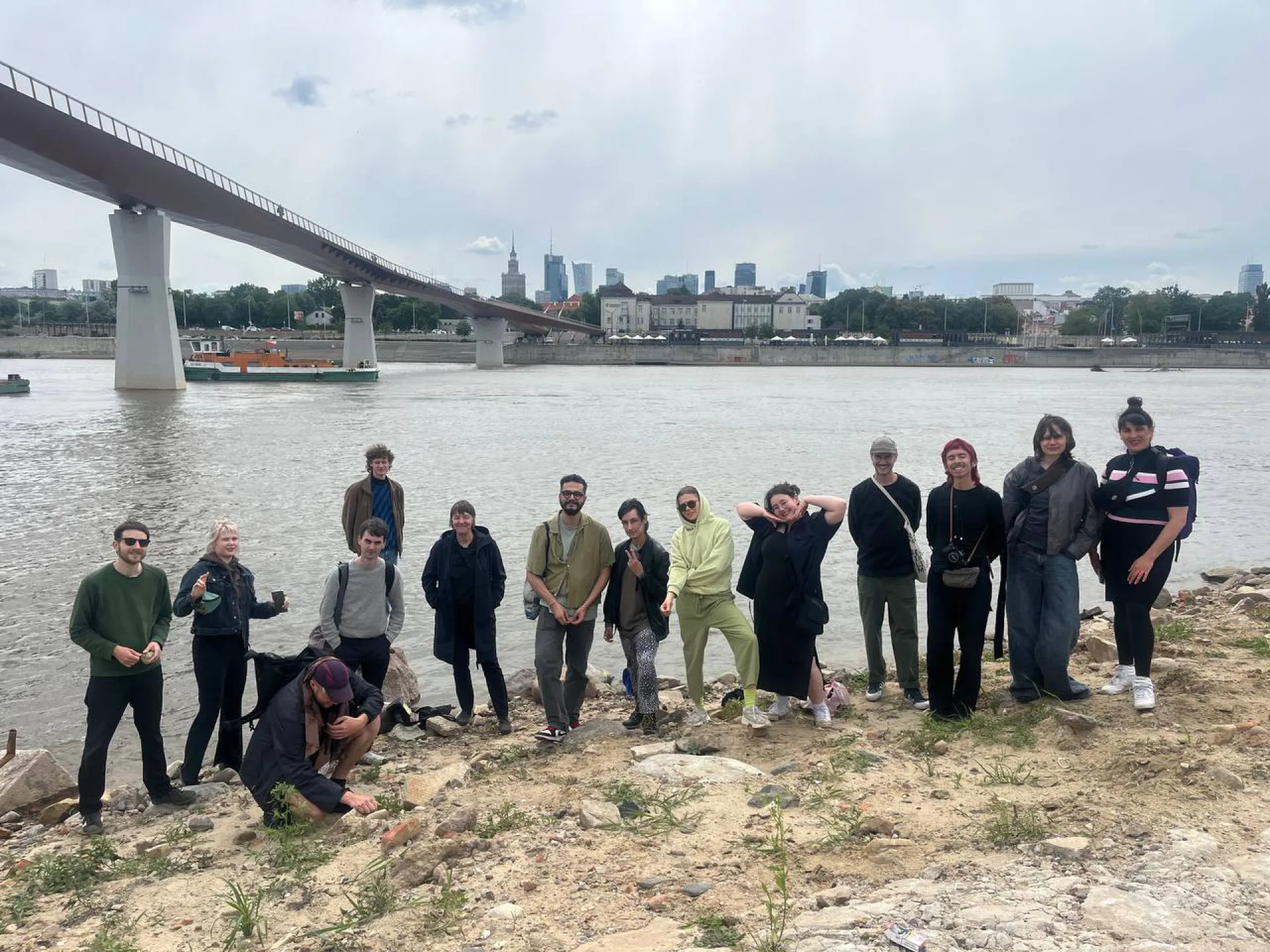
In the Photography and Media class, we explore (among many other topics) how images shape contemporary culture and society, and how we can critically examine and engage with these processes. In addition to developing an independent artistic practice, the class offers an exploration of the terminology surrounding the imagery. What do historically central concepts in photography—such as the documentary, the photographic, the index, representation, reality, and truth—mean to us today? What do terms such as affect, performance, action, specter, or forensics evoke? Which other terms are productive for us, and how do we connect them to our practice? The discussions draw on the history of photography and the media, the politics of representation, and the changing role of technology and photography in our everyday lives, and they explore the roles that photographers, subjects, and viewers play in our understanding of images.
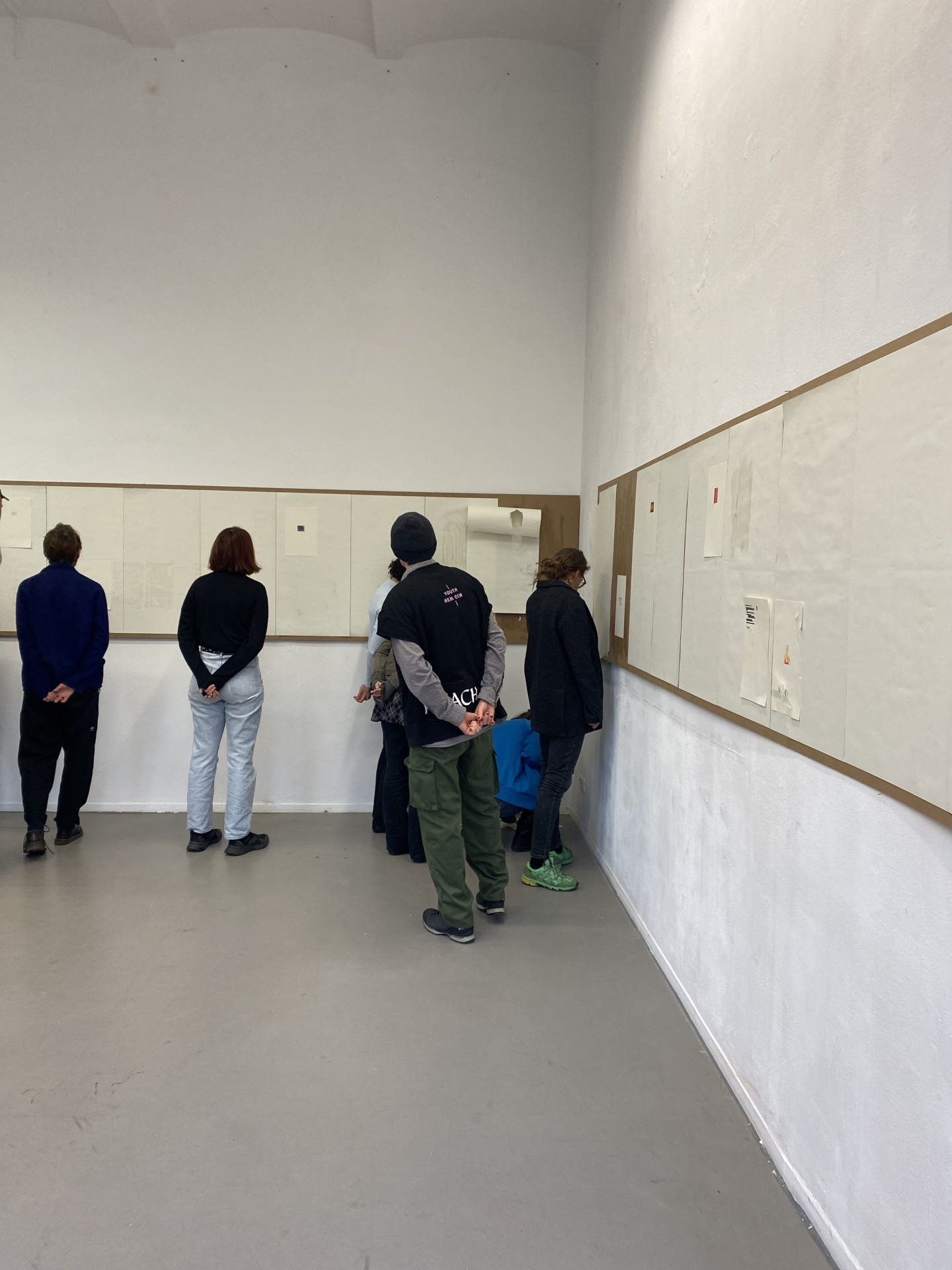
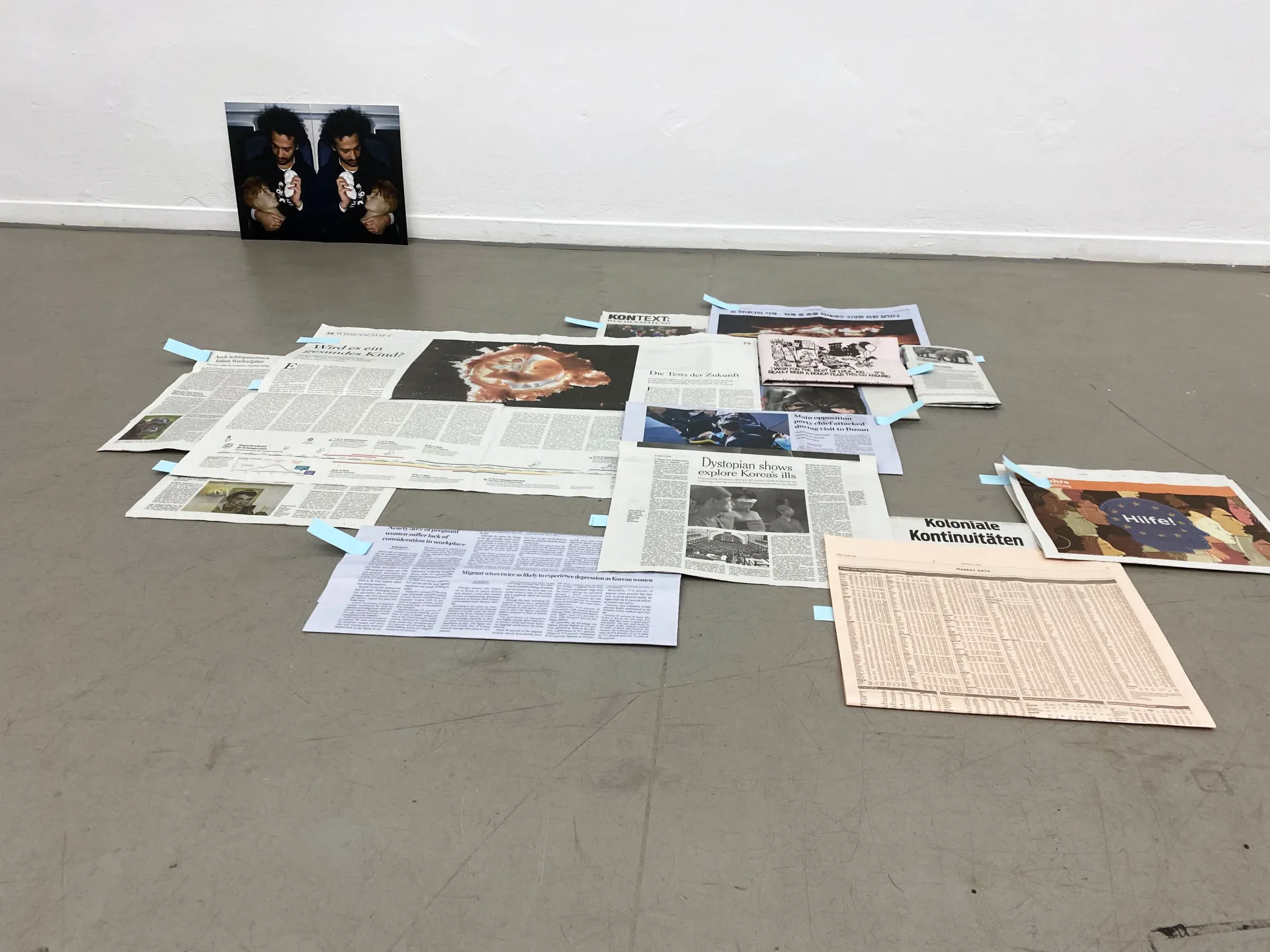
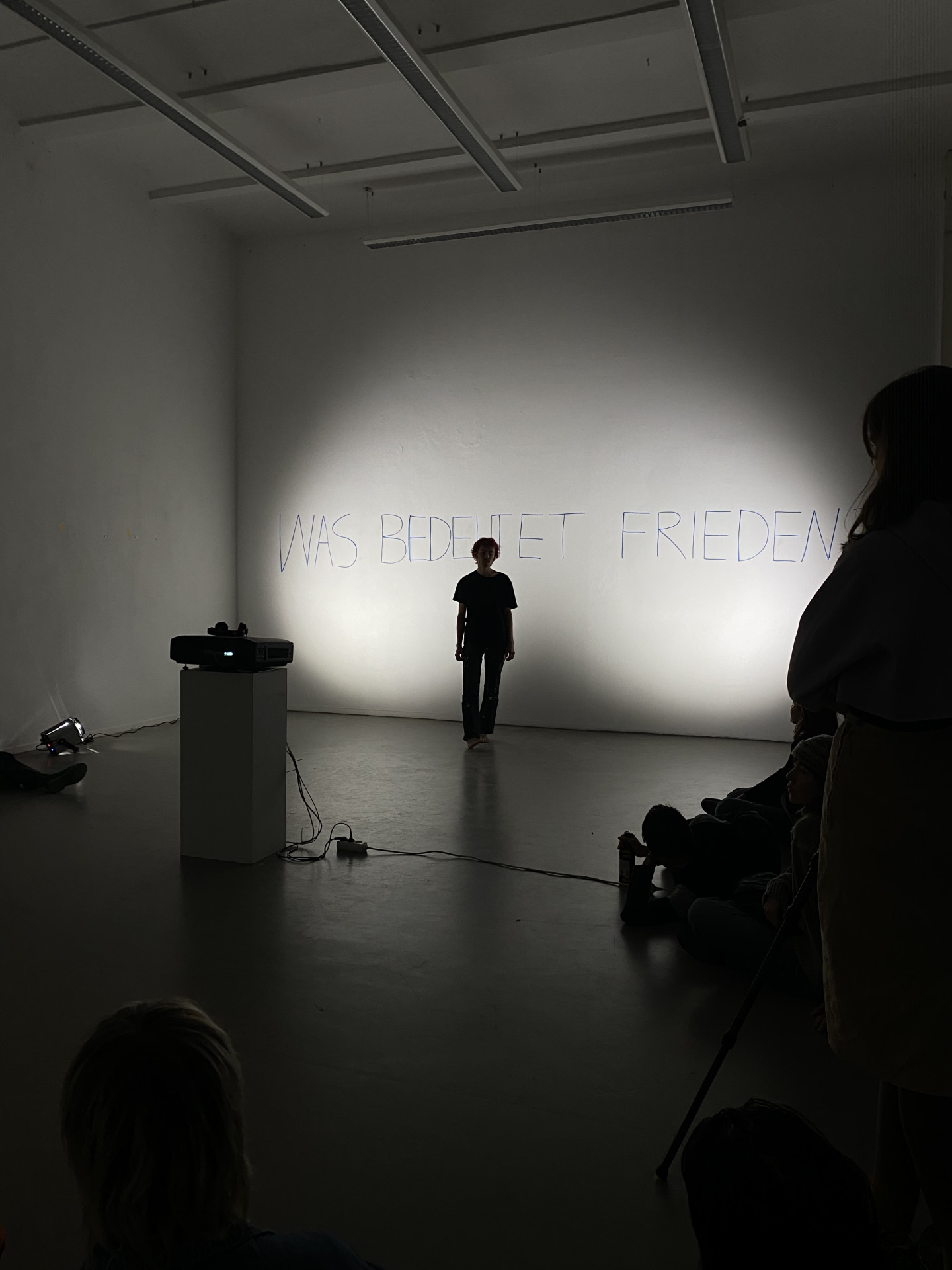
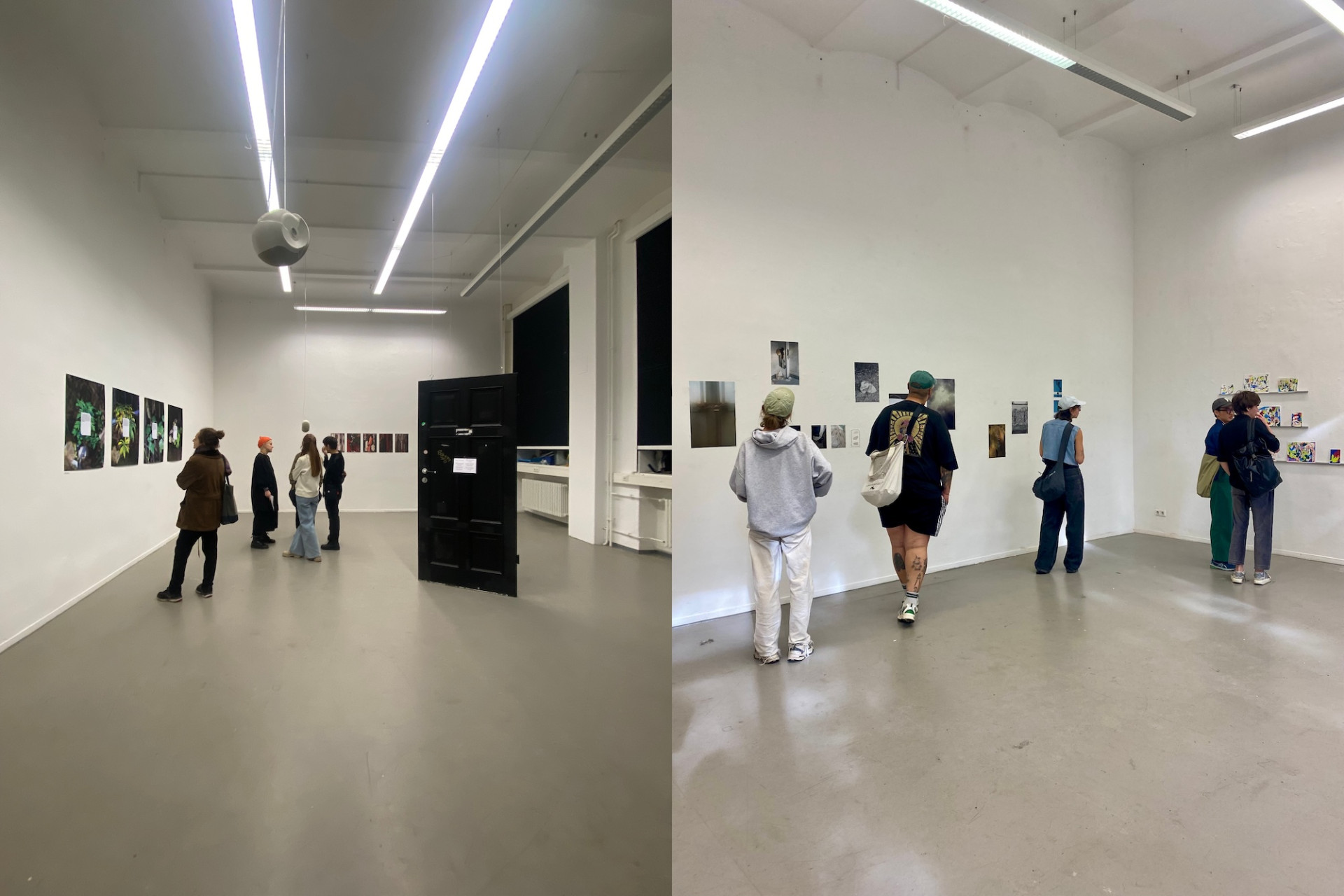
The work in the class is organized into various formats. Central to this is the class meeting, during which work processes are brought up for analysis and discussion. In addition, we work on projects, organize exhibitions together, and read. The methods range from analog and digital photography, moving images, sound, and installations to performance, writing, publishing, and social practice. What matters most is not necessarily the medium itself, but how we engage with the questions raised by the images. Individual work takes place in dialogue with the class and can lead to collaborative projects. The languages most commonly spoken in class are German and English.
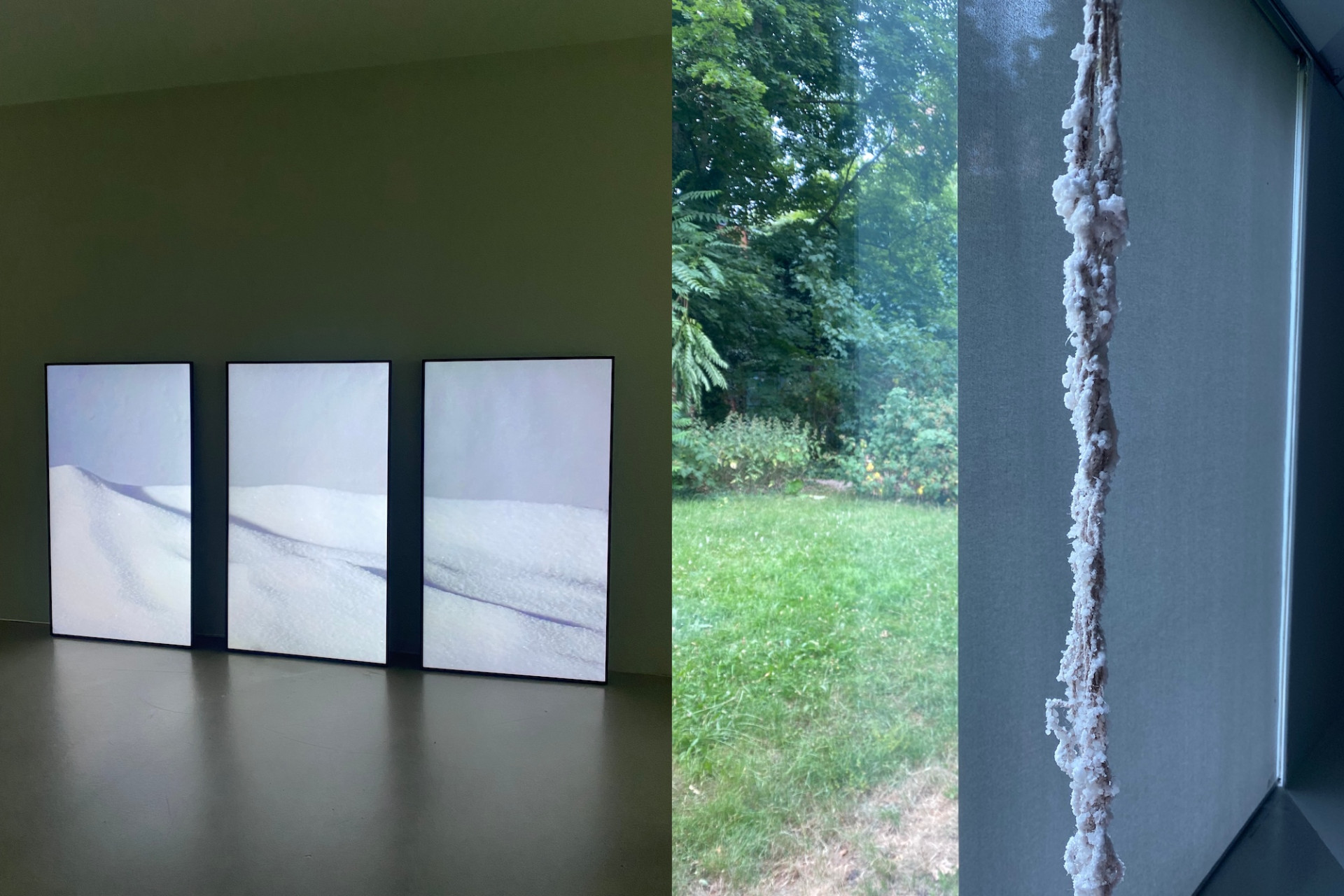
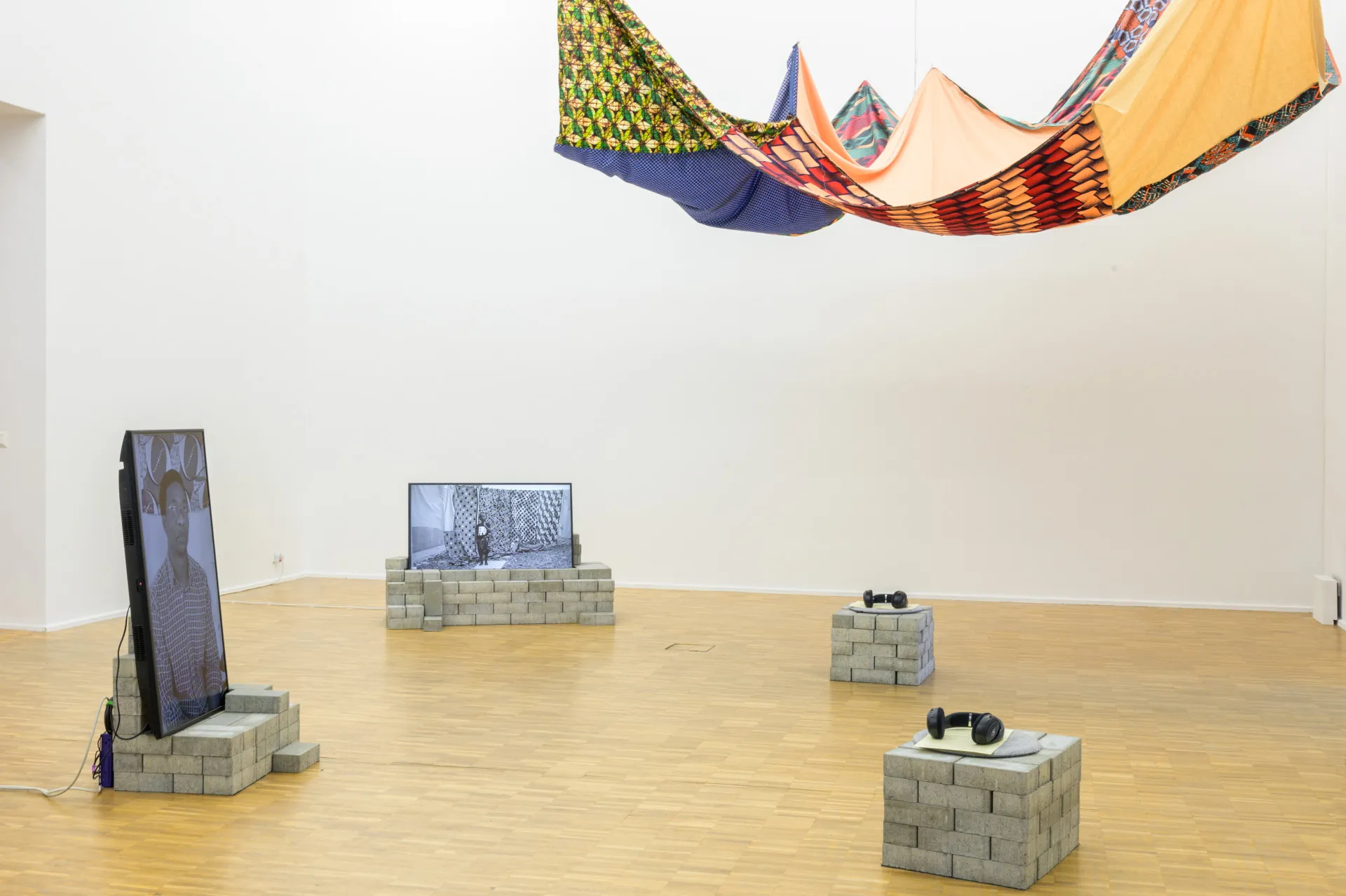
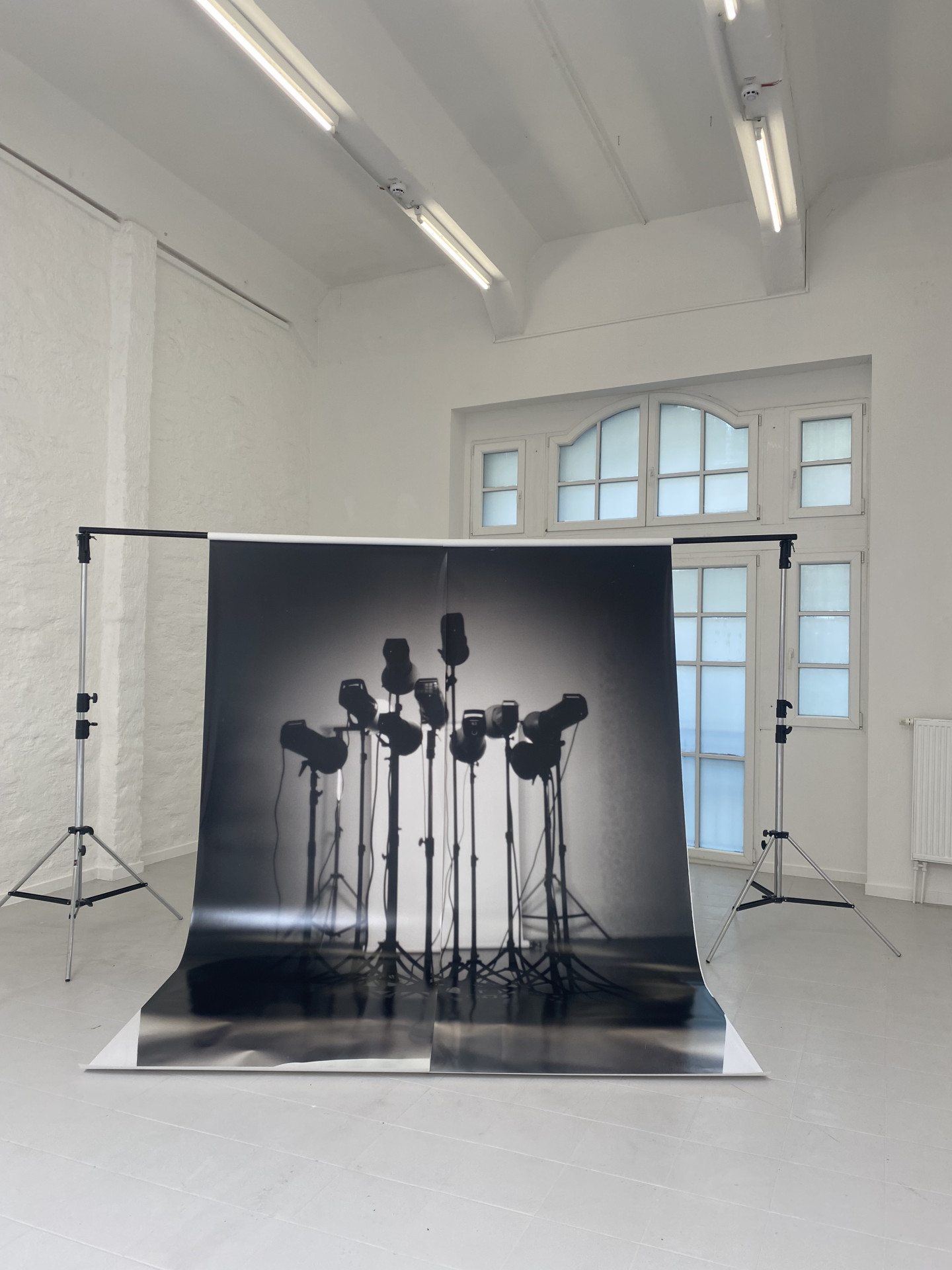
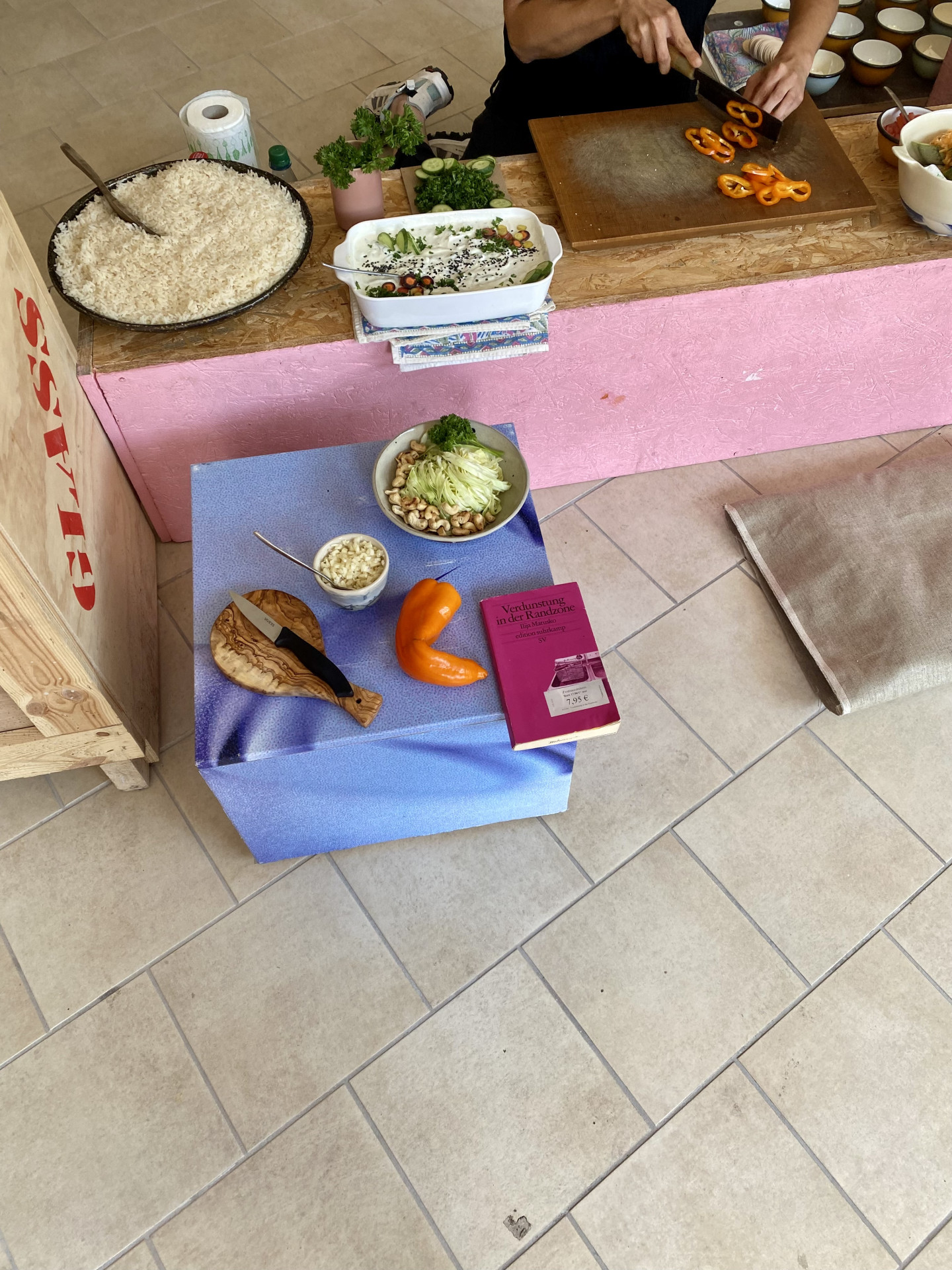
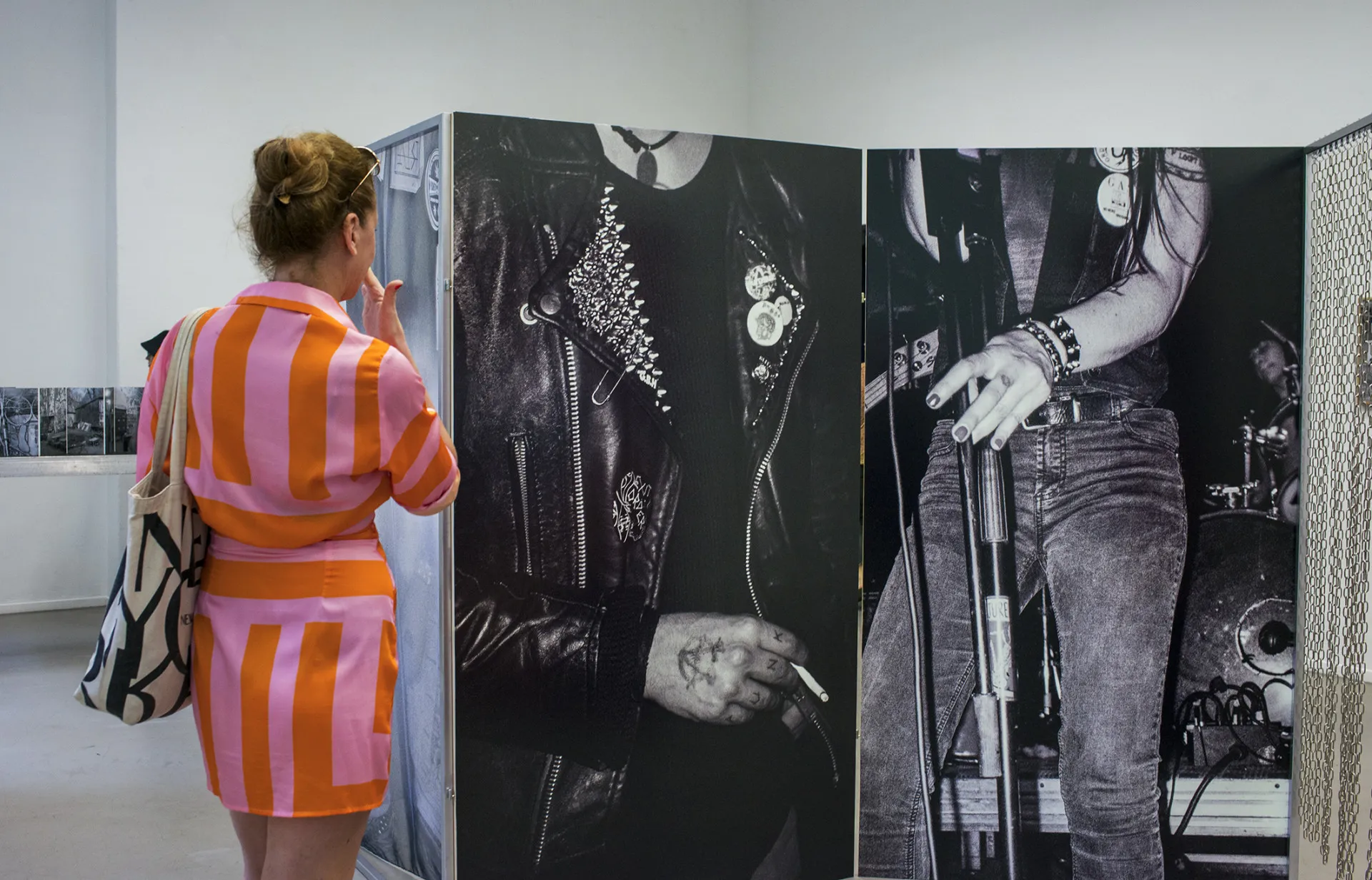
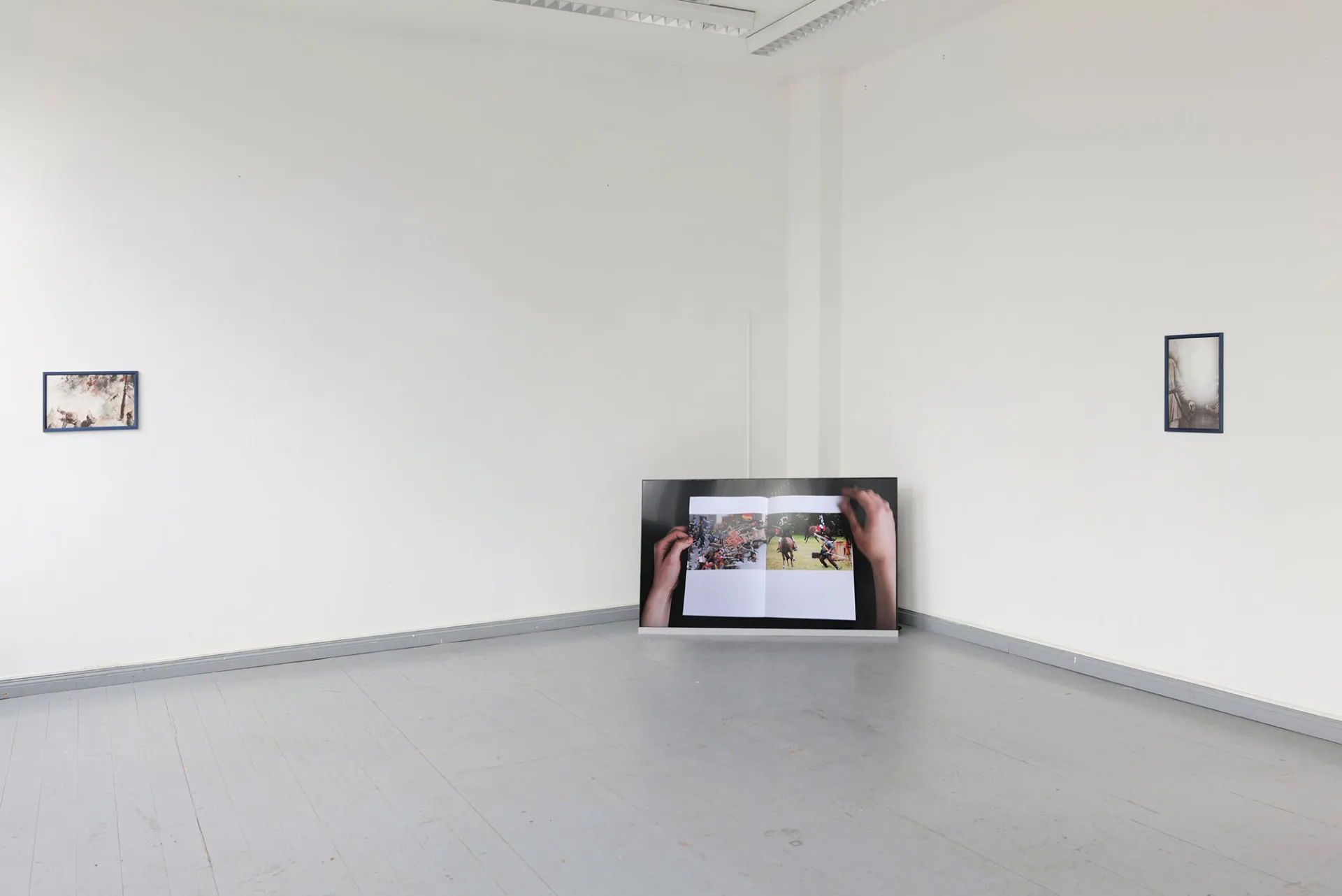
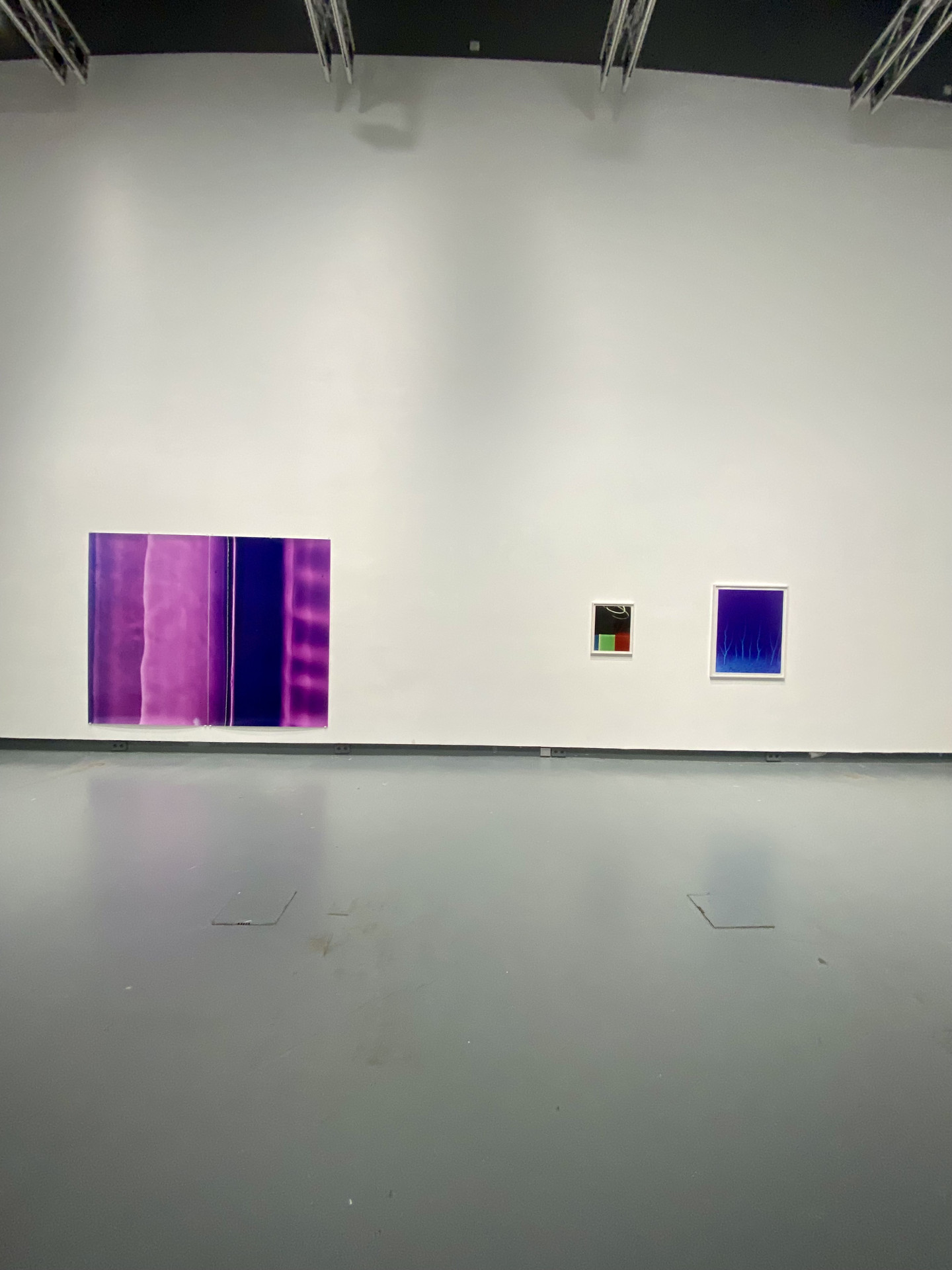
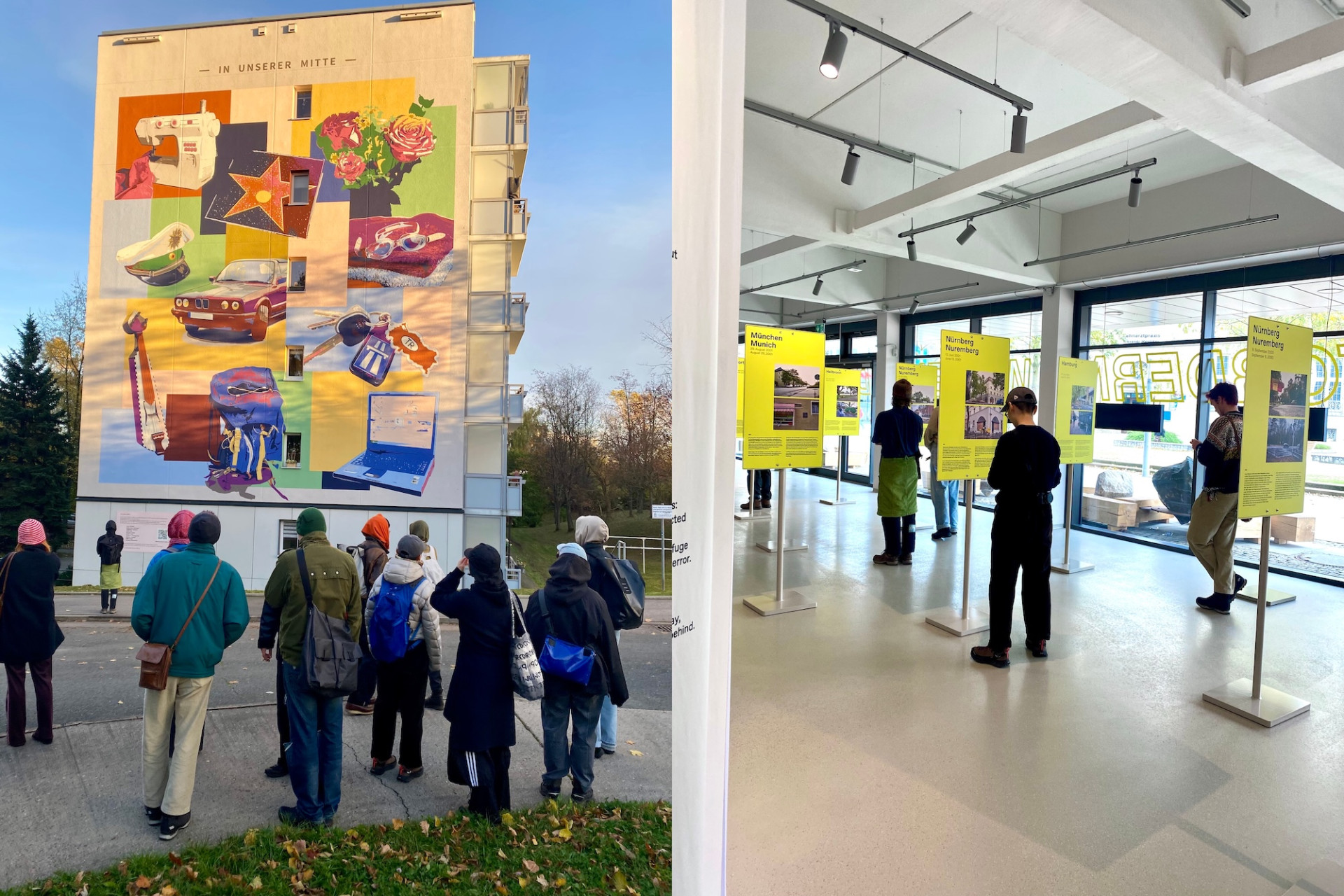
The project is a collaboration between Kervin Saint Pere from the Diversity Development Project at HGB Leipzig, the Documentation Center on the NSU Complex in Chemnitz, and Susanne Keichel, an artistic staff member in the Photography Department. The project is an interdisciplinary initiative spanning three semesters. It takes as its starting point the newly opened Documentation Center on the NSU Complex in Chemnitz and the continuities of the far right in the present day.
The first project semester (Winter Semester 25/26) is designed as an introductory semester. There will be field trips and lectures that approach the topic from various interdisciplinary perspectives. In the subsequent semesters, in addition to lectures and field trips, there will also be working meetings where research approaches can be presented and discussed. The project will conclude with a presentation of the students’ work.
All interested HGB students are invited to participate in the project.The project is intended to be a space for collaborative learning and exchange.
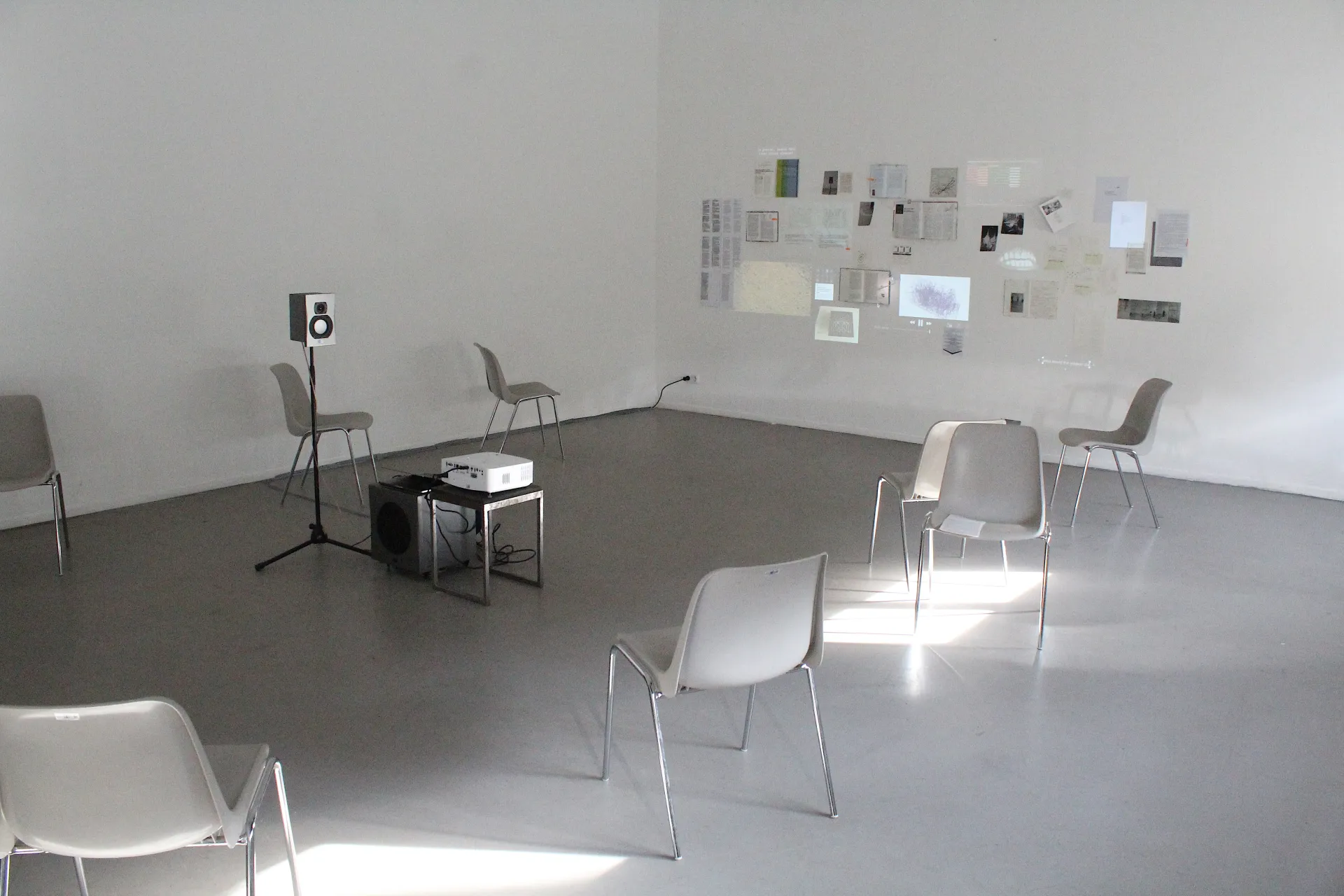
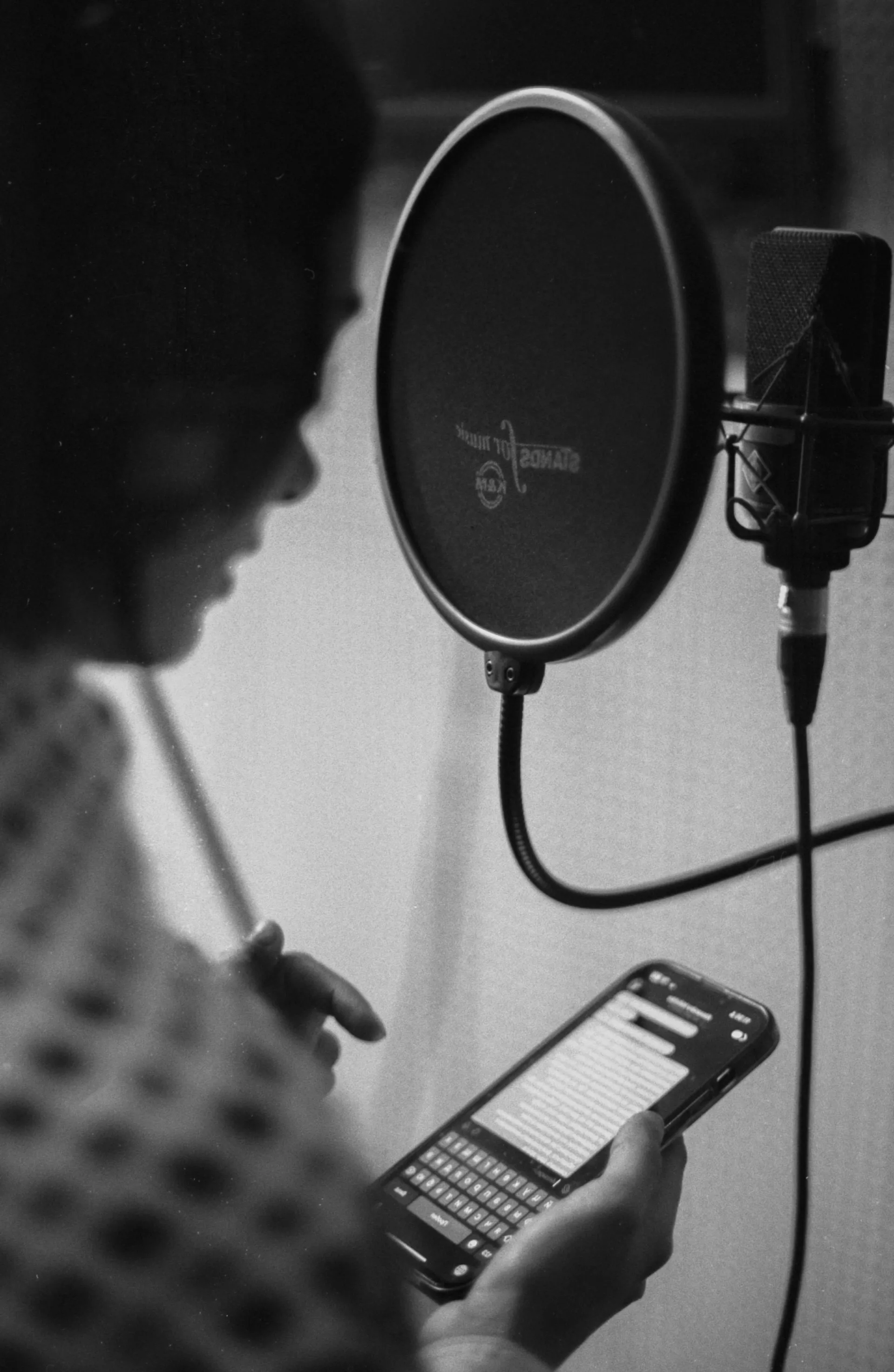
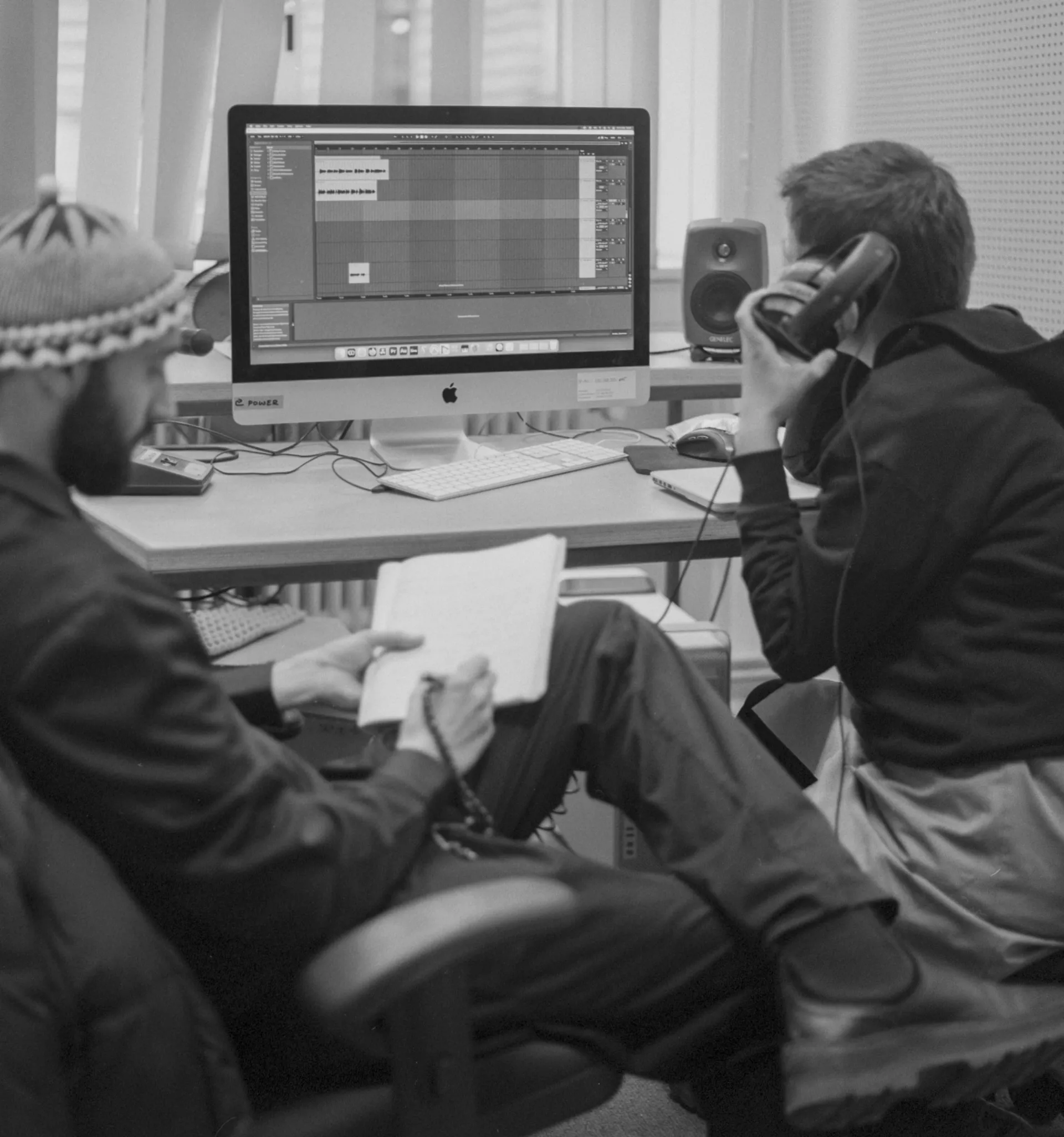
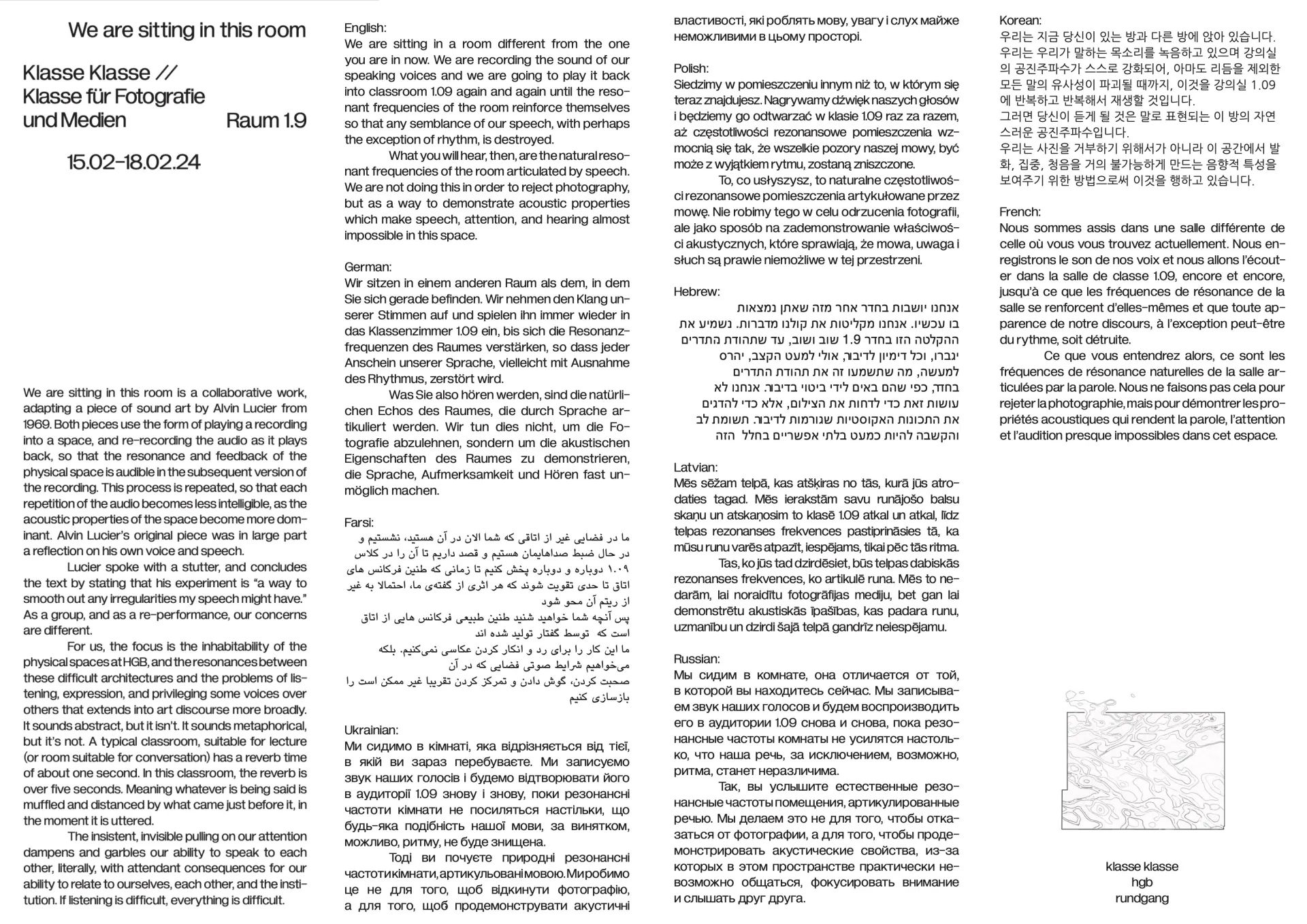
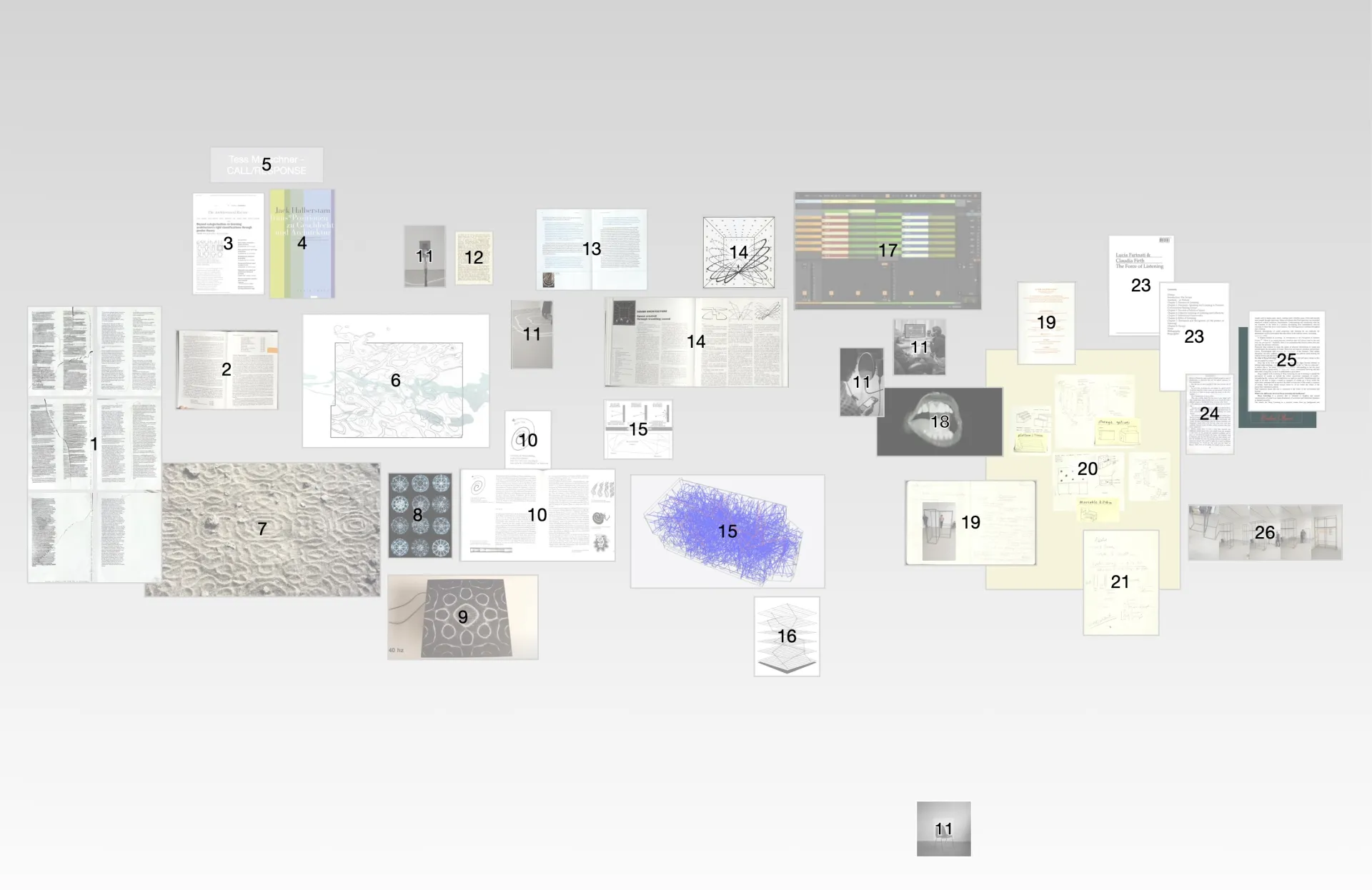
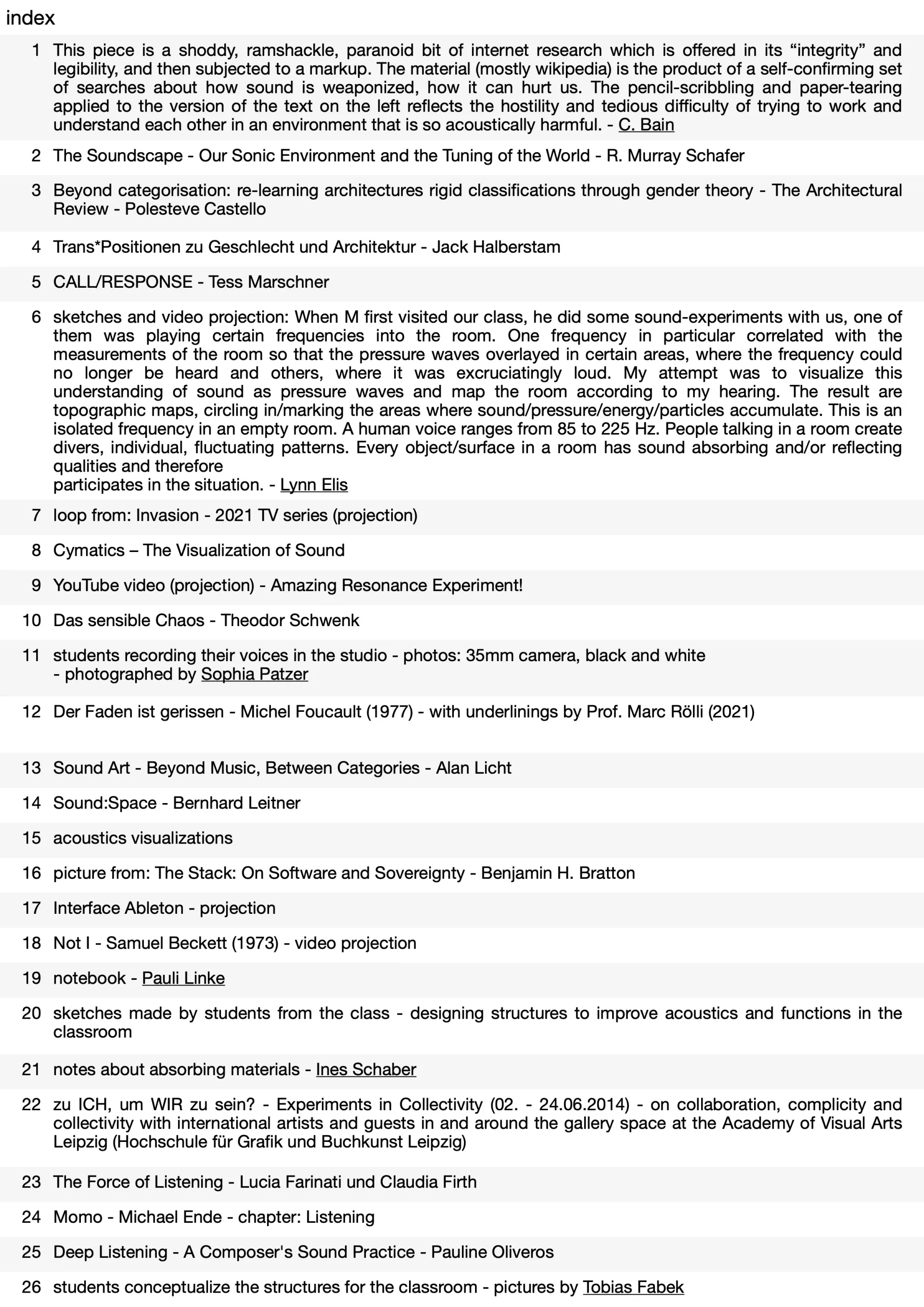
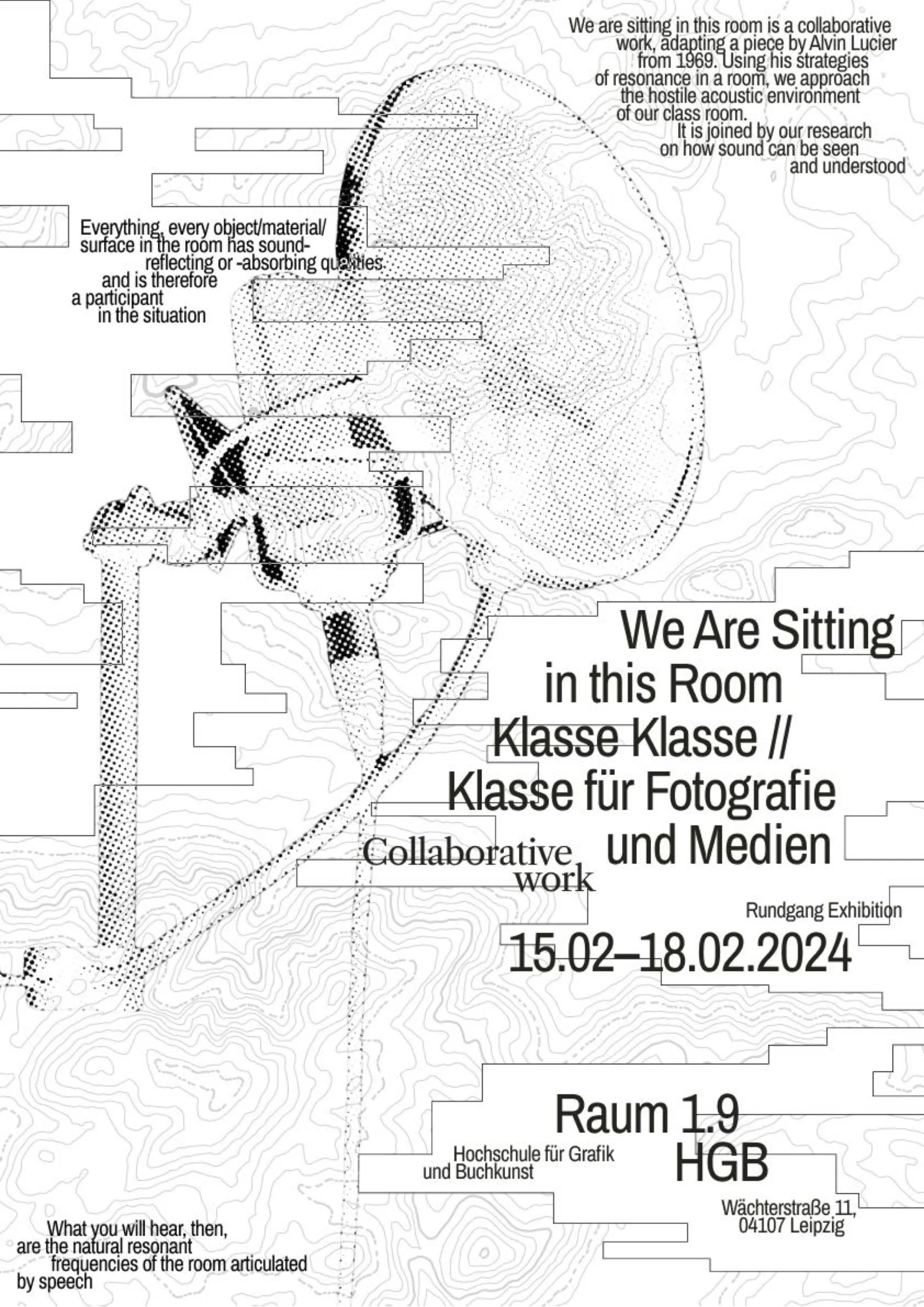
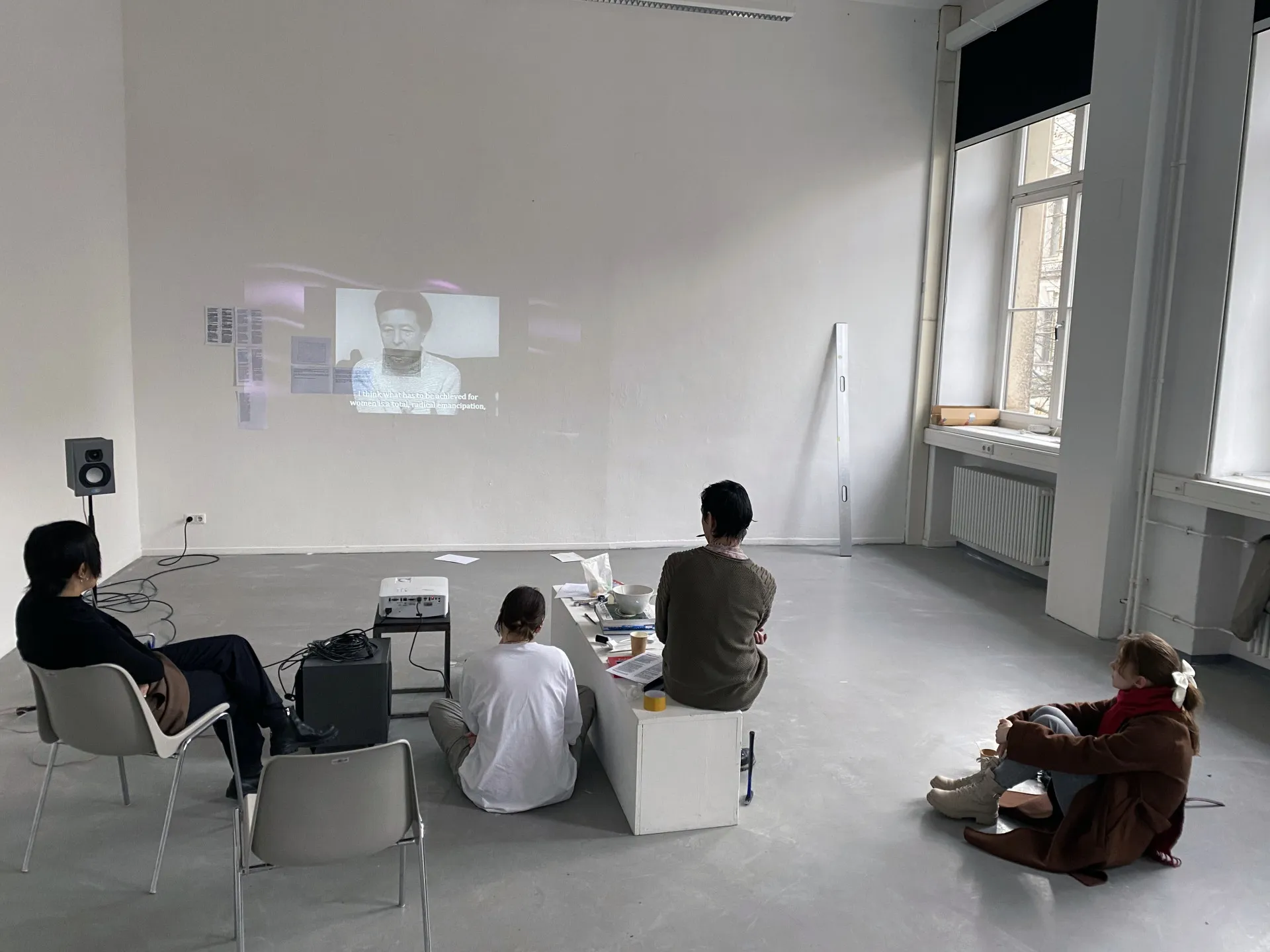
Listening Station (since 2022)
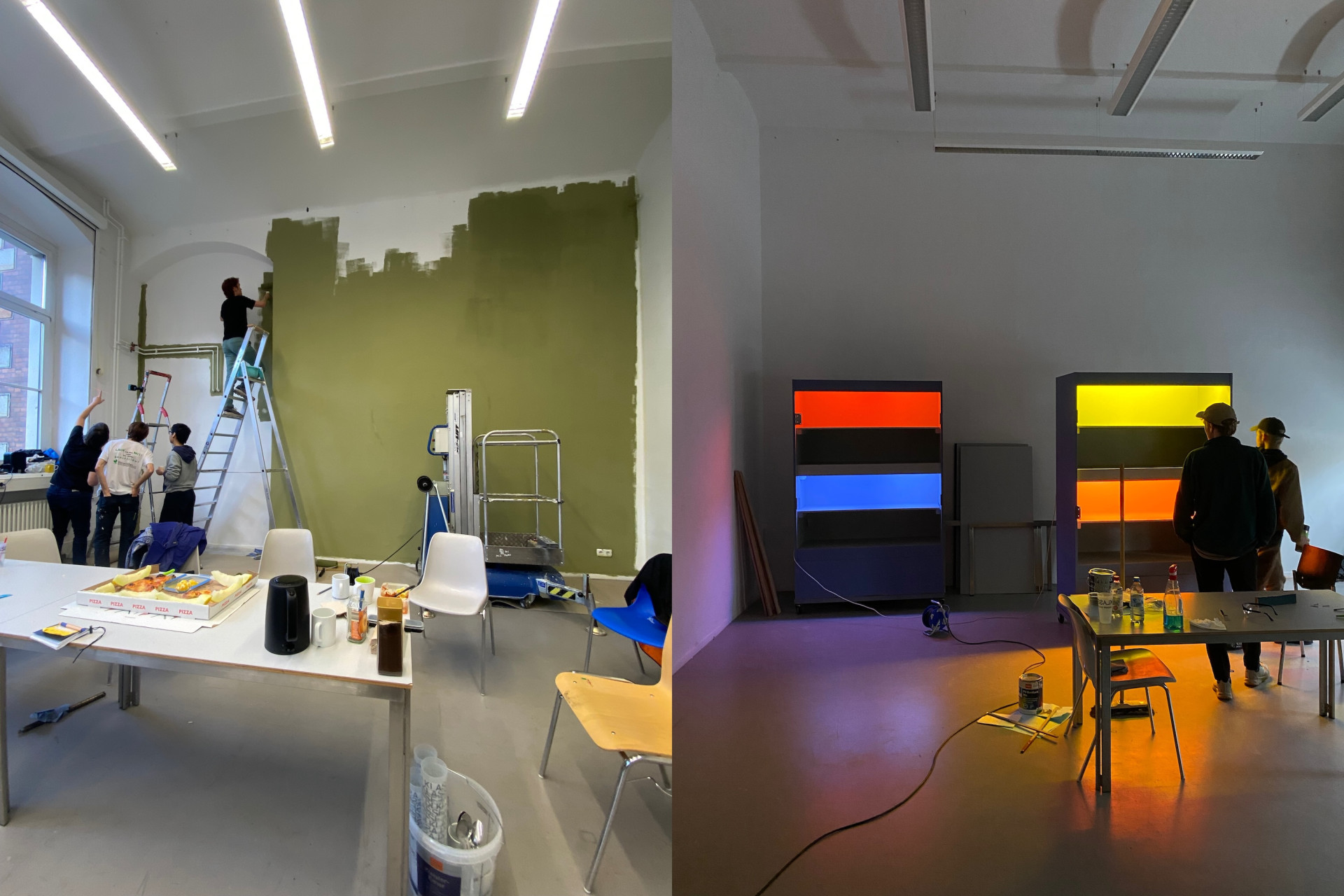
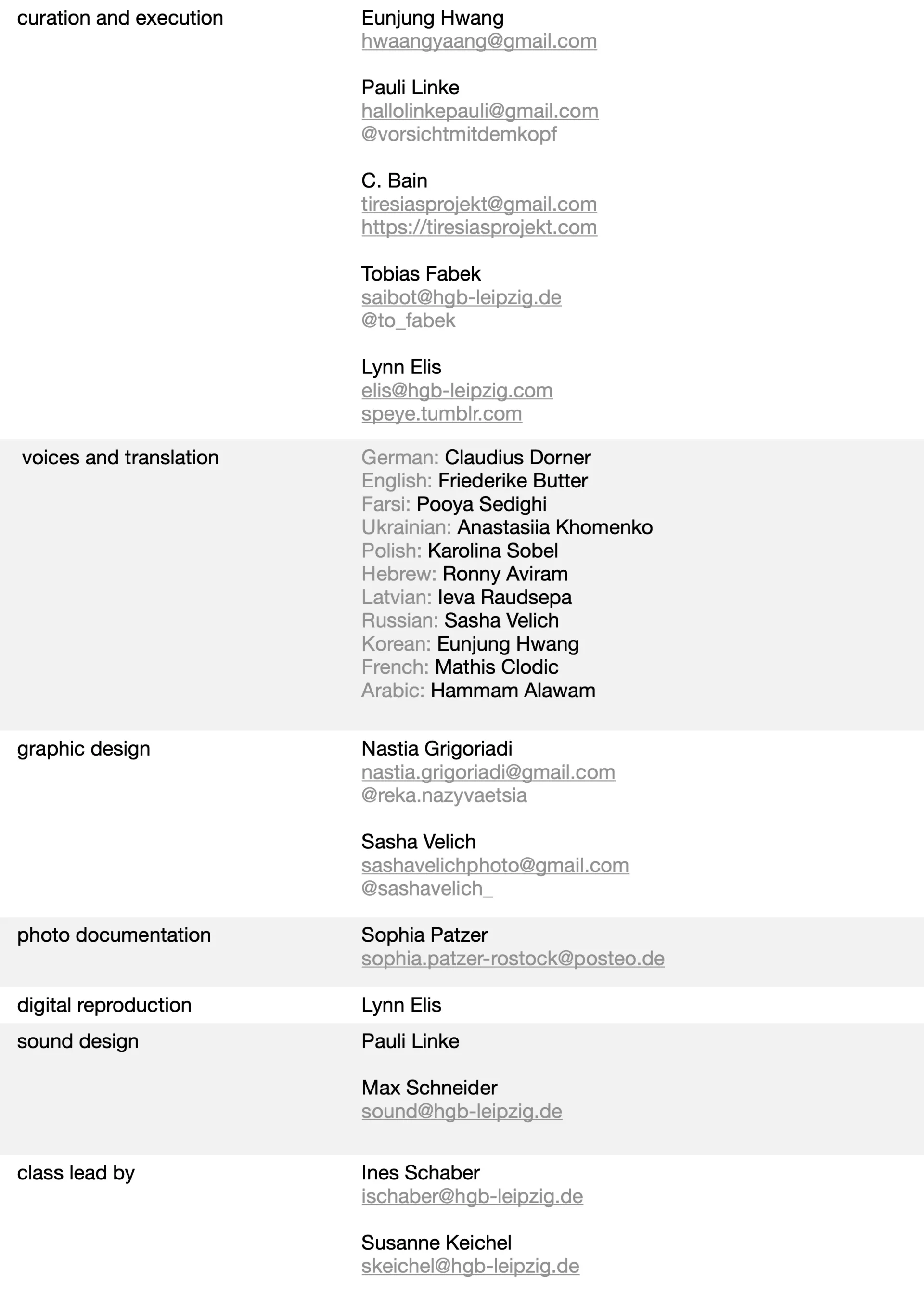
Listening in the classroom and beyond: a project for the annual art show (2024) and an experiment in the long-term redesign of the classroom. In collaboration with and with the support of Max Schneider (soundlab HGB).
Interrupted Narratives (since 2023)
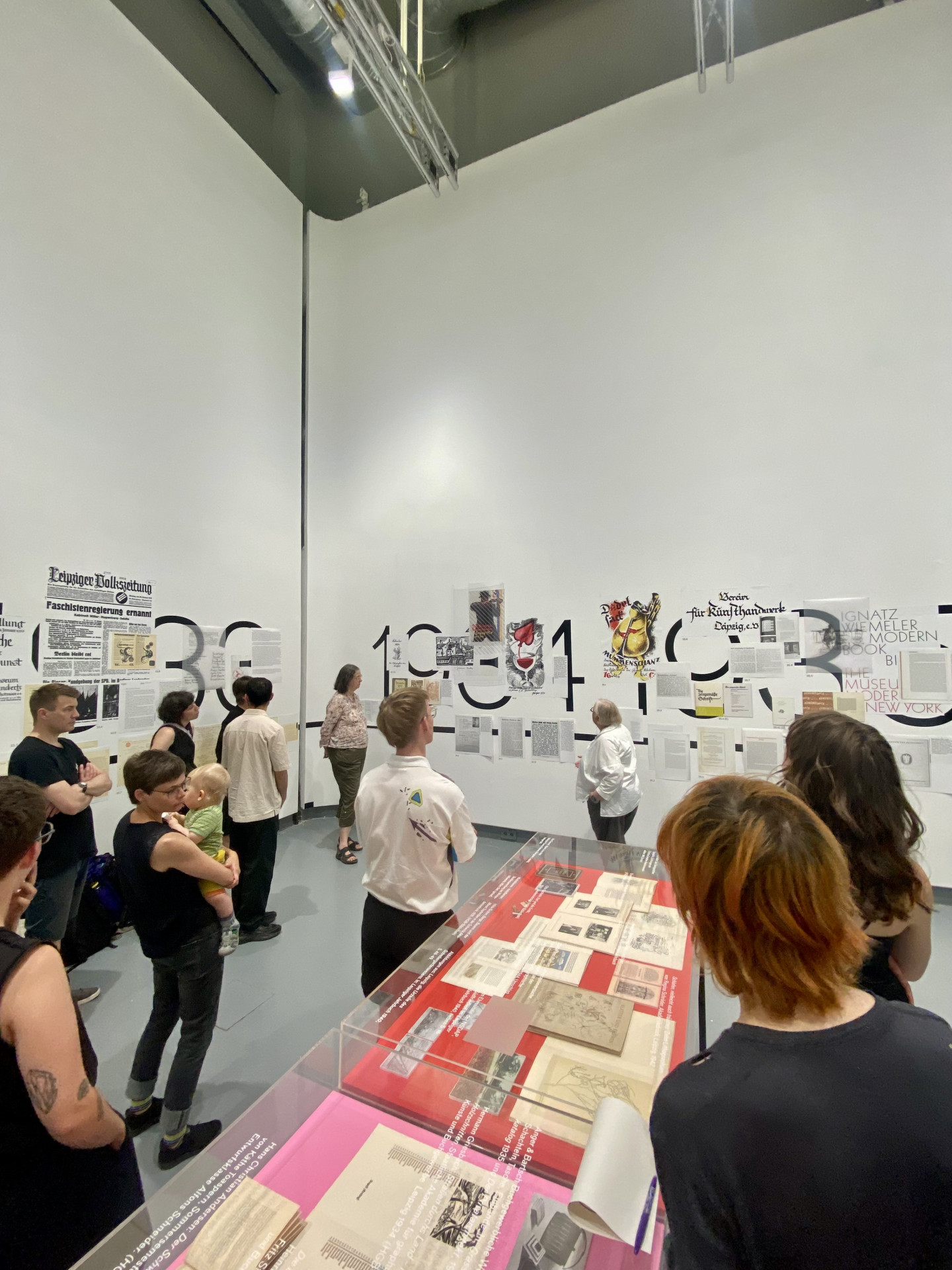
A series of events curated by Tina Bara and Ines Schaber in collaboration with Susanne Keichel and Sandra Schubert.In a loose series of lectures, film screenings, book presentations, and discussions, we invite artists who process or reflect on social ruptures and biographical uncertainties, reorientations, and changes in their artistic works. We begin the series with photographers and artists who were socialized in the GDR and were profoundly shaped by their experiences within that now-defunct state, as well as by developments during the so-called “Wende” period. Over the course of the series, we will also address global processes, focusing generally on how to navigate massive changes and how this relates to emancipatory processes and artistic reflections.
Previous guests in the series: Helga Kurzchalia and Achim Lengerer: “Daniel Heinrich. Polaroids and Portraits. The Moments Come to Me” (December 2023) // Ines Johnson-Spain: “Becoming Black” (2024) // ...
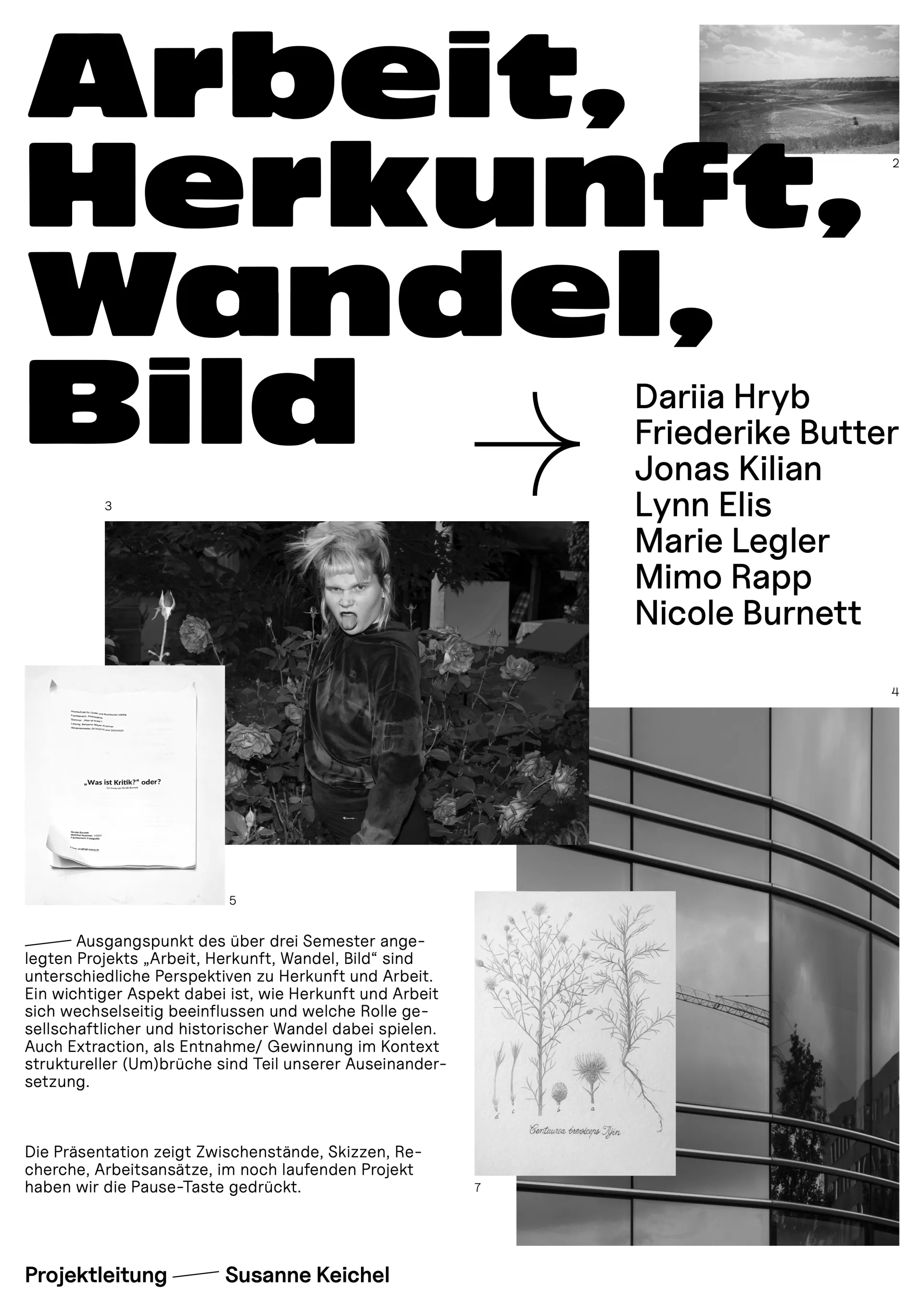
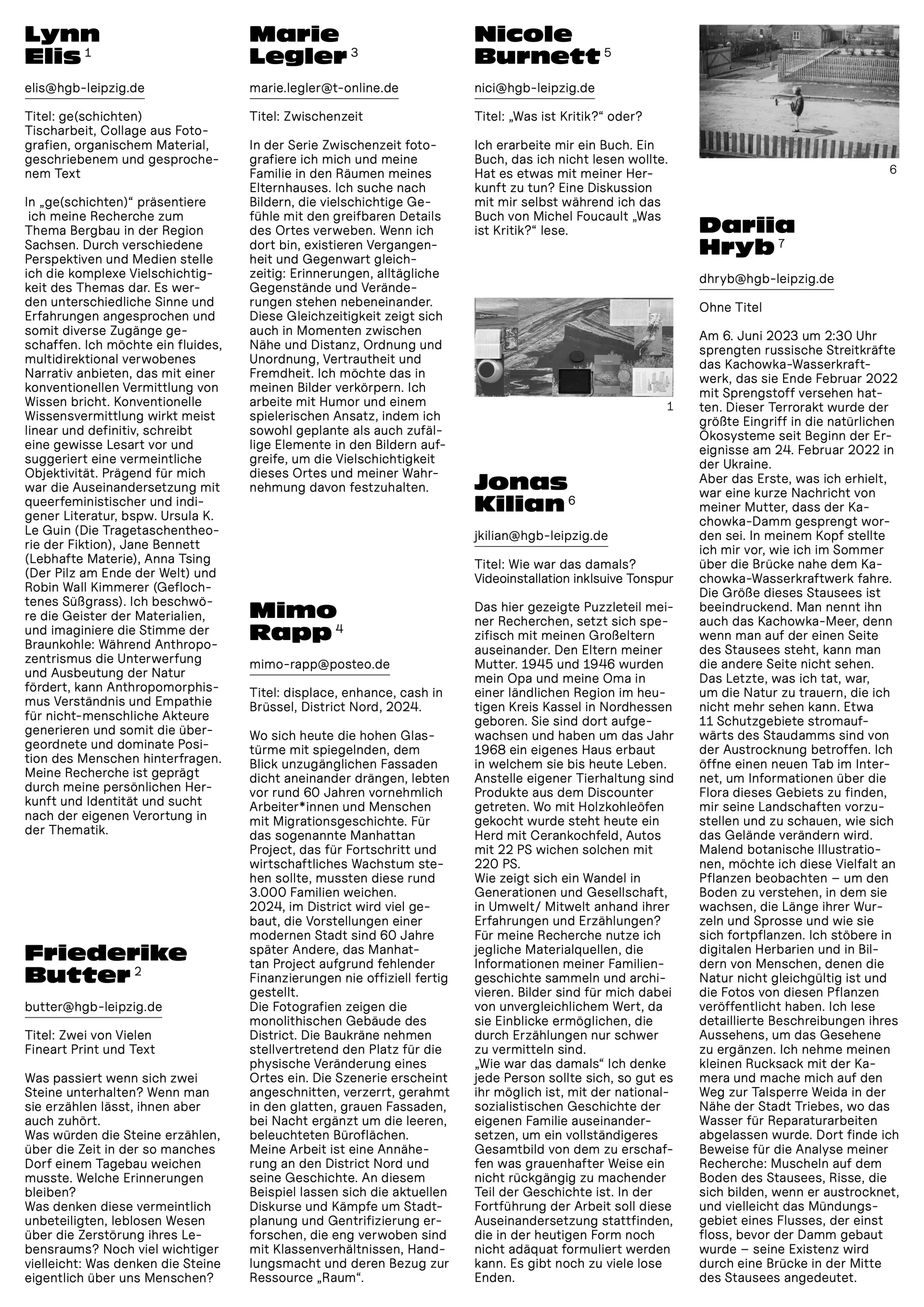
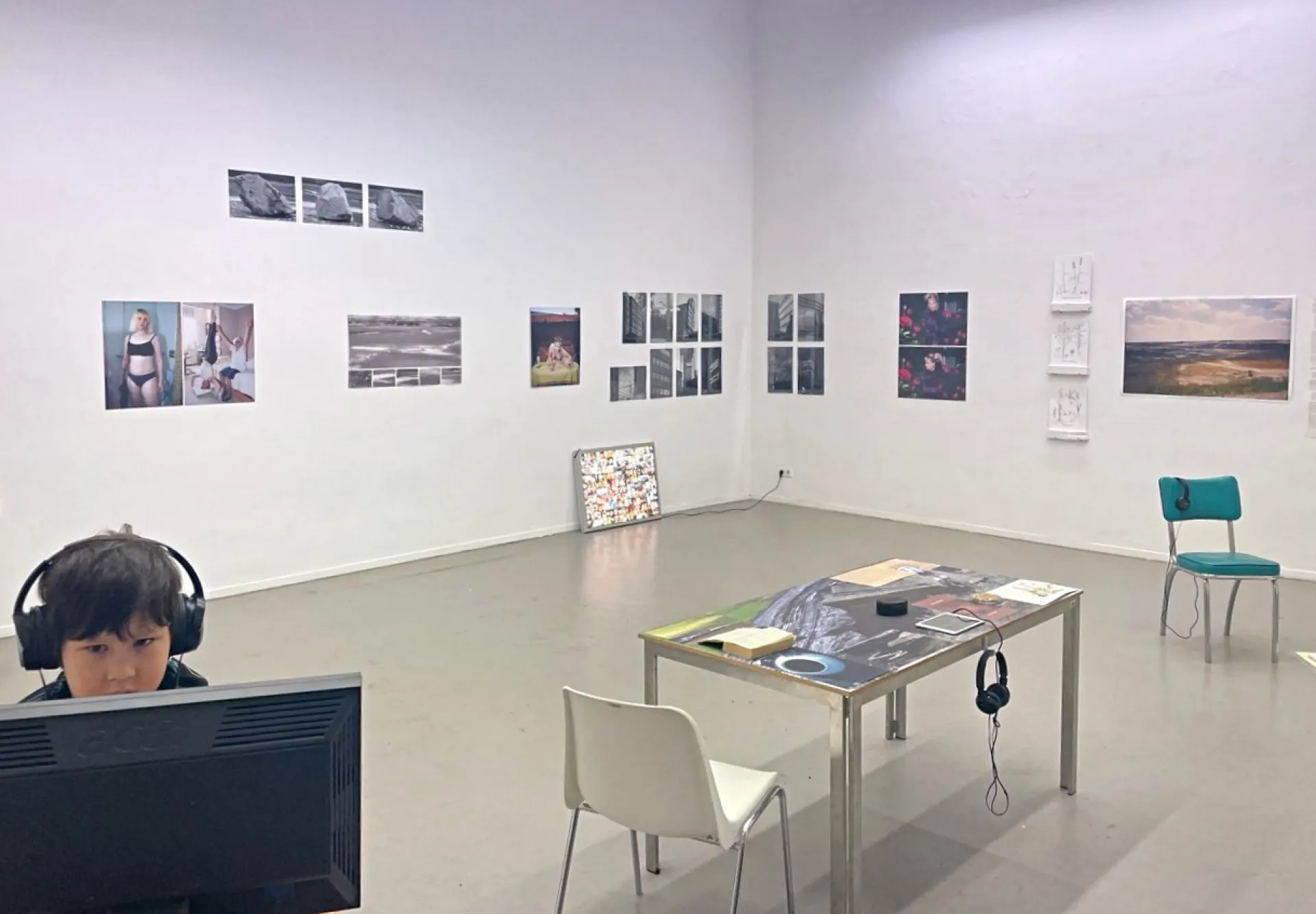
Supervised by Susanne Keichel.
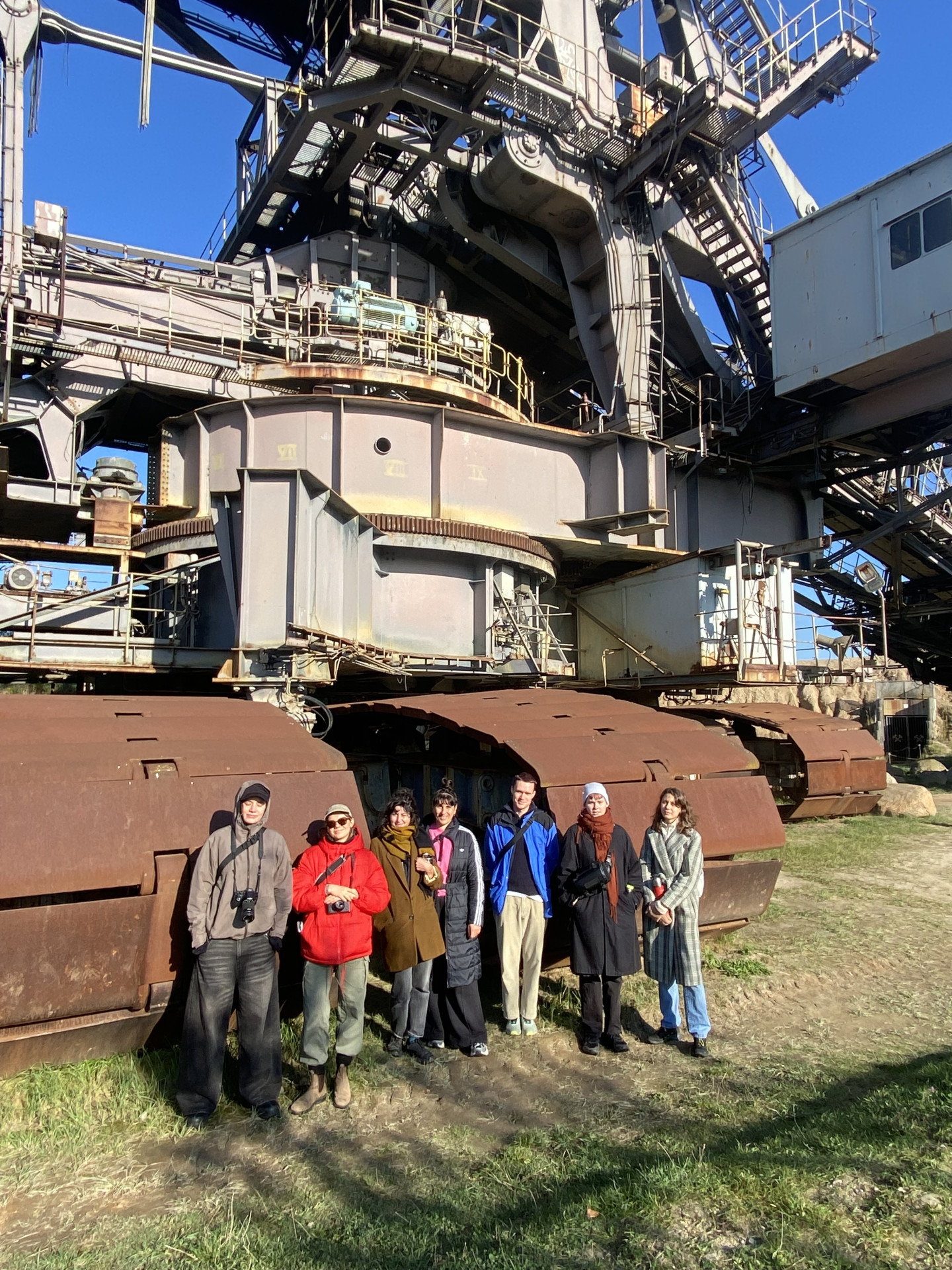
We will explore issues of origin and work from various perspectives and how they influence each other. A key aspect of this is what role social and historical change play in this context. “Extraction” in the context of structural (dis)ruptions will also be part of our exploration. We aim to develop our own visual concepts and engage with existing ones. As part of the seminar, we will enter dialogues with guest speakers from various fields related to our themes and explore new spaces through field trips. Our collaboration with the ZfoB provides regional connections that can then be embedded in a global context.
Terms and Conditions (January 2024–February 25)
A project in cooperation with the Harun Farocki Institute. A collaboration by Mereike Bernien, Clemens von Wedemeyer, and Ines Schaber.
Anyone who wishes to operate within the visual spaces of today’s societies must be prepared to take legal and legal-theoretical considerations into account at every turn. Contemporary visual culture has become a stage for legal actors and processes. Questions and issues surrounding authorship, “intellectual property,” privacy, human rights, witness testimony, censorship, criminology, and forensics are in a state of constant flux and change, not least due to new legal parameters arising from big data and AI-based control systems. This two-semester project explores the prerequisites for legal literacy—an understanding of legal issues—within the fields of visual arts, film, and critical media theory. In this process, all participants see themselves as learners and unlearners of specific ideas, concepts, and norms that shape how we engage with the law and its institutions and representatives. More information...
Noah Müller
Lynn Elis
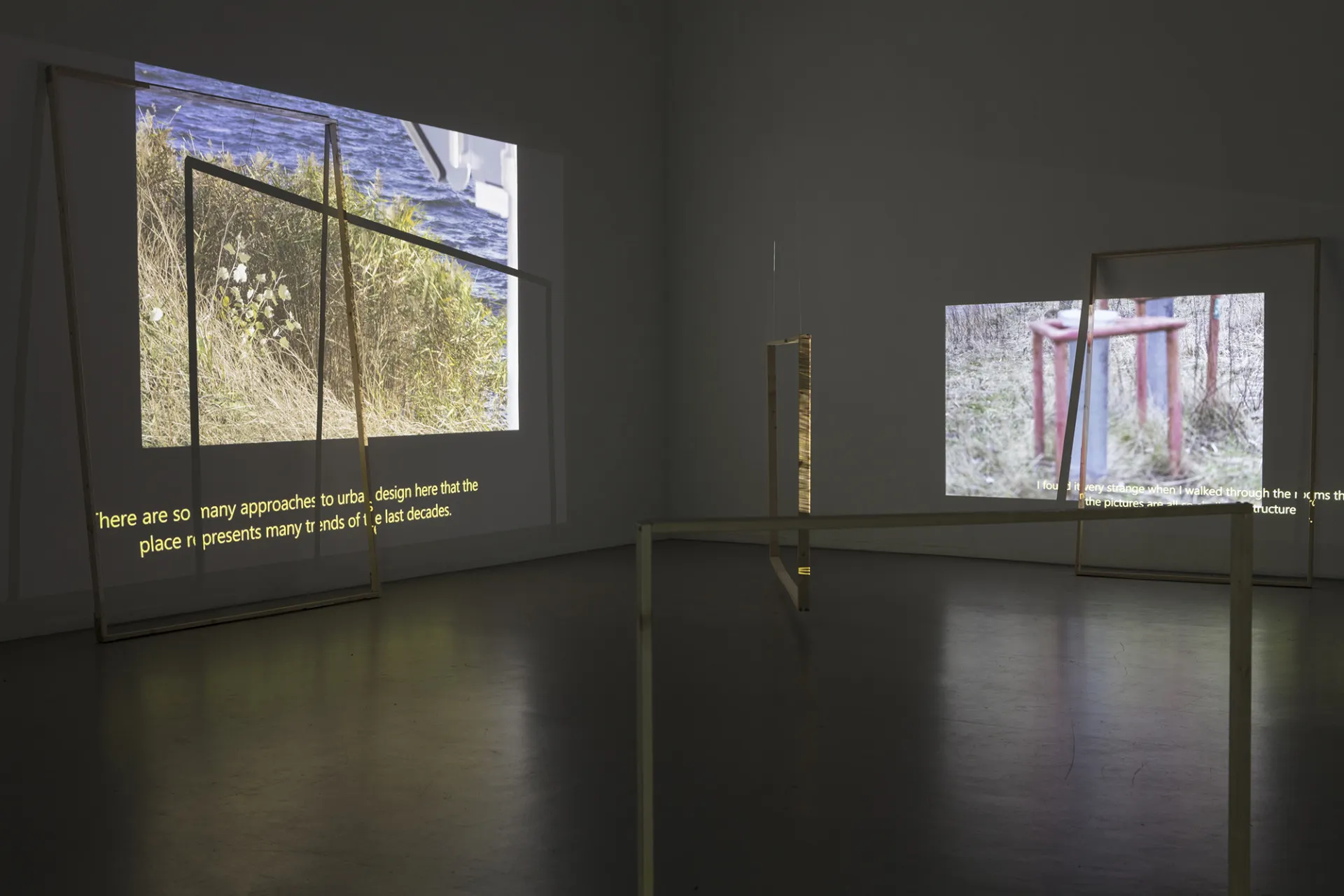
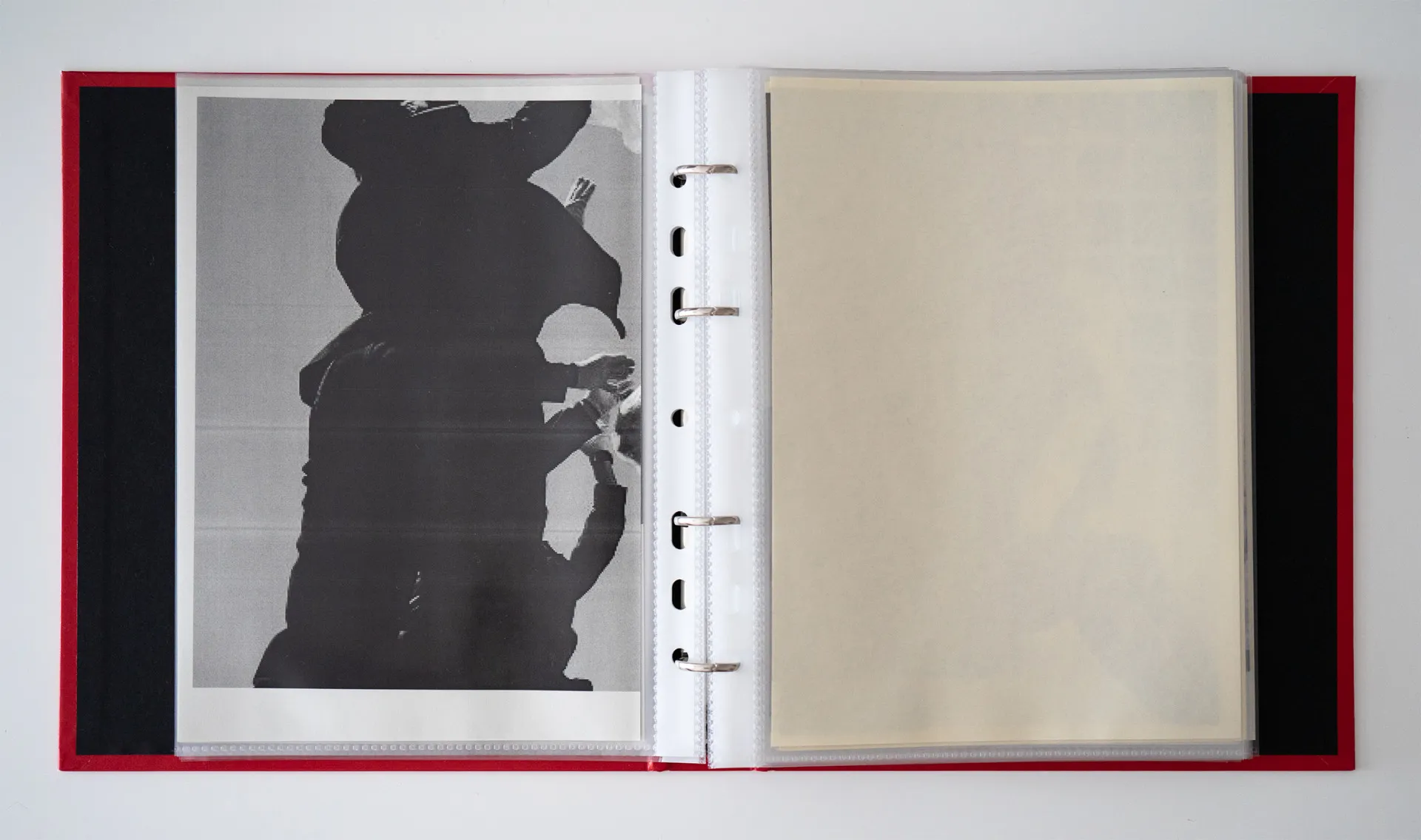
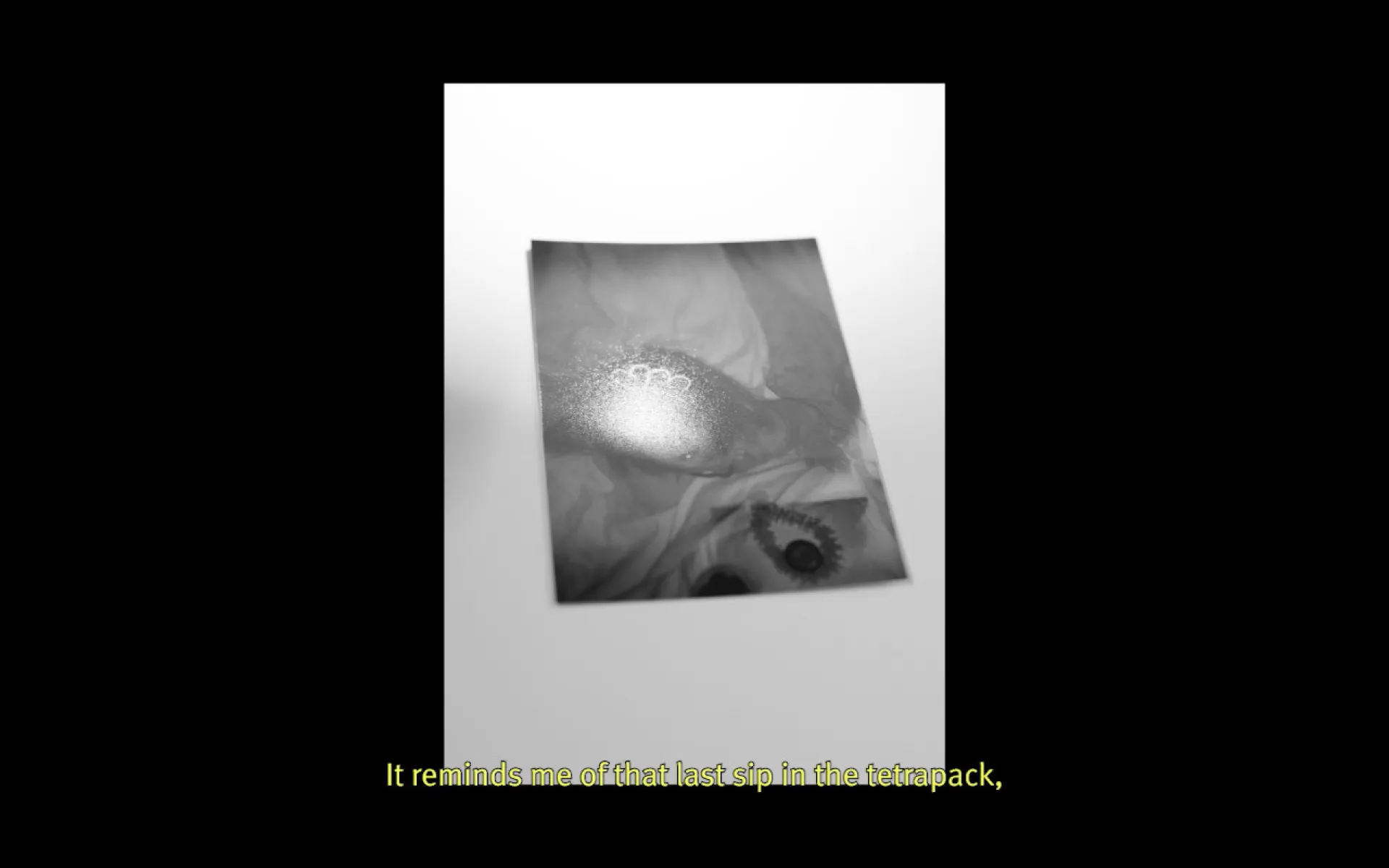
Hannah Francke
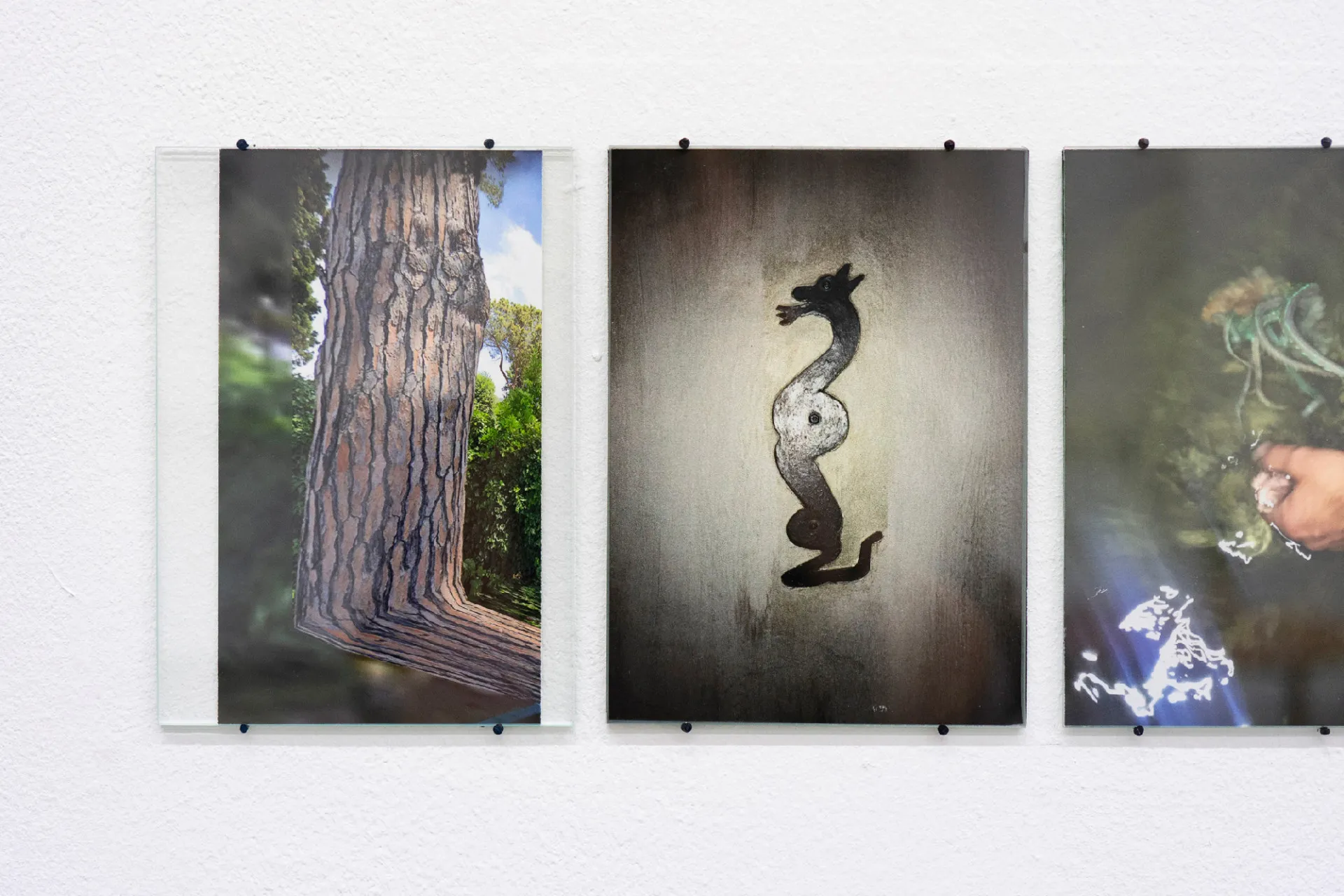
Laura Wichmann
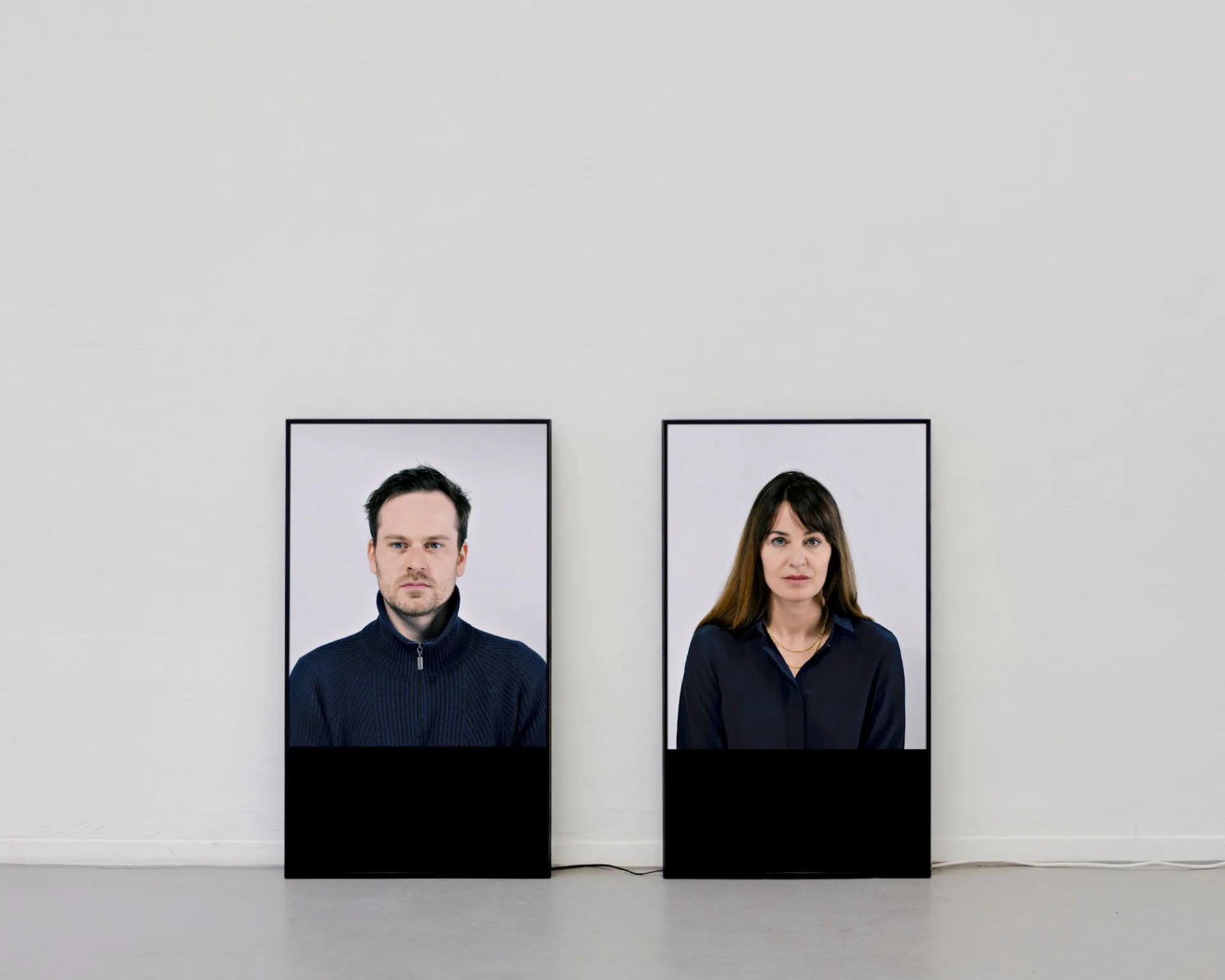
Malte Uchtmann
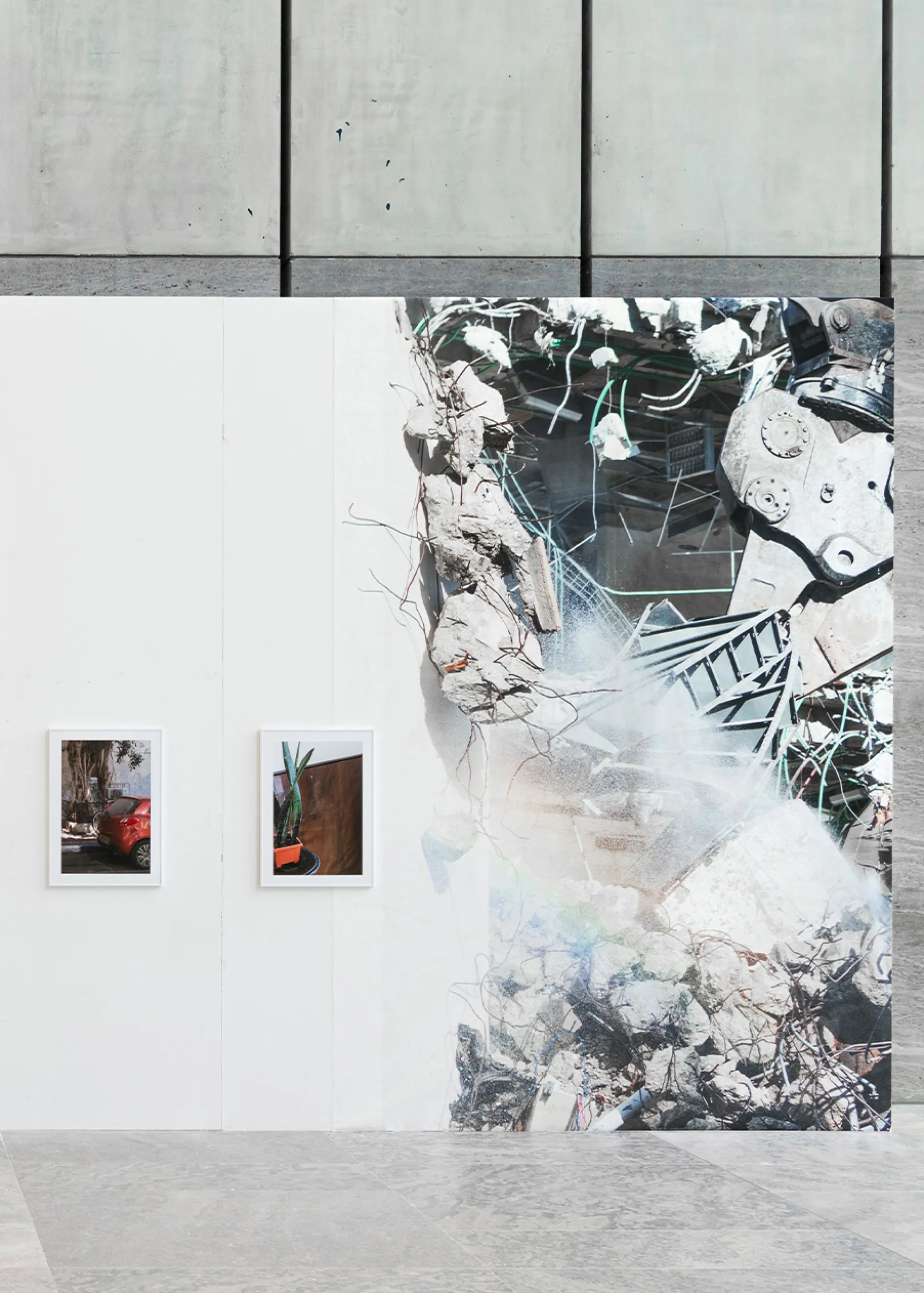
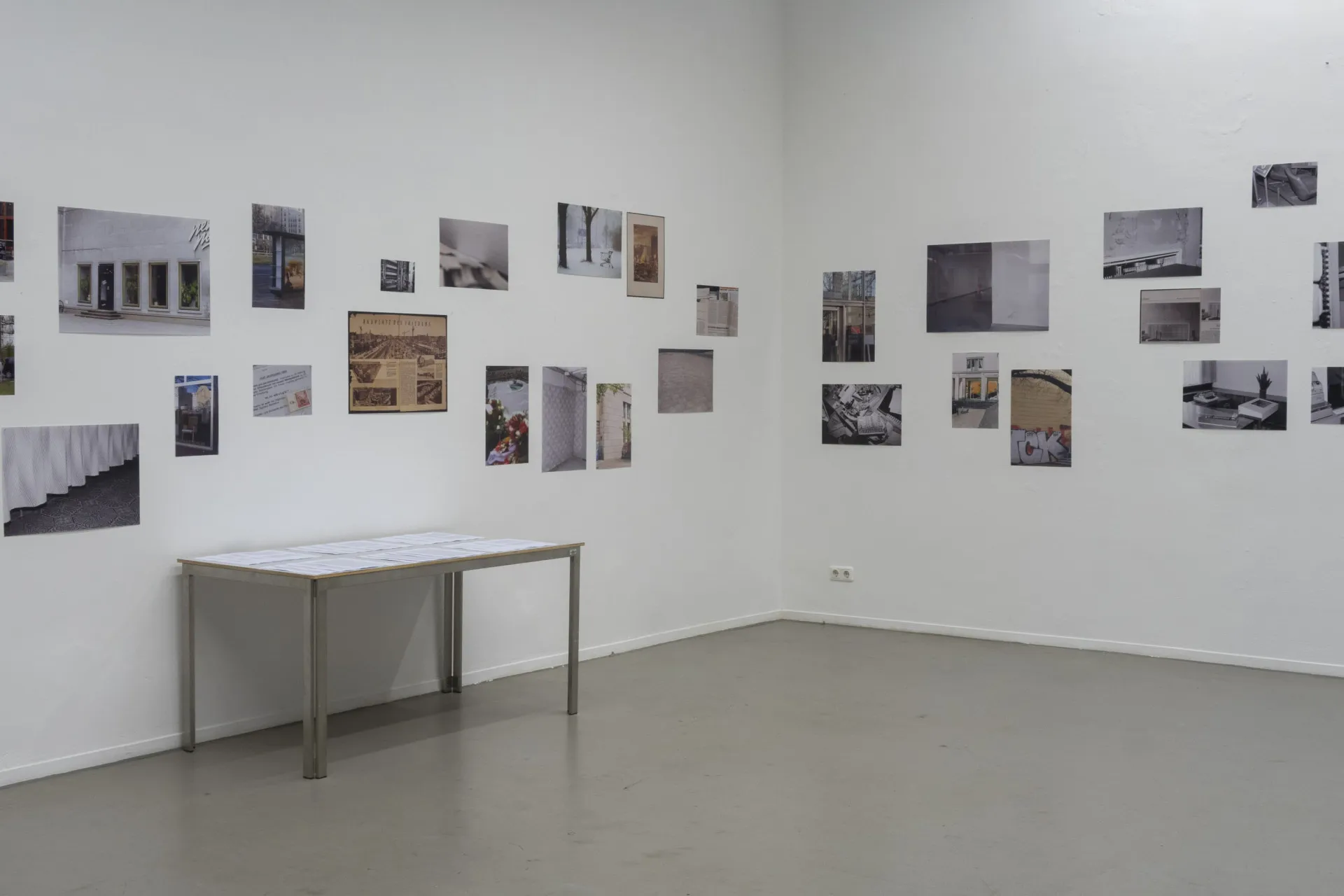
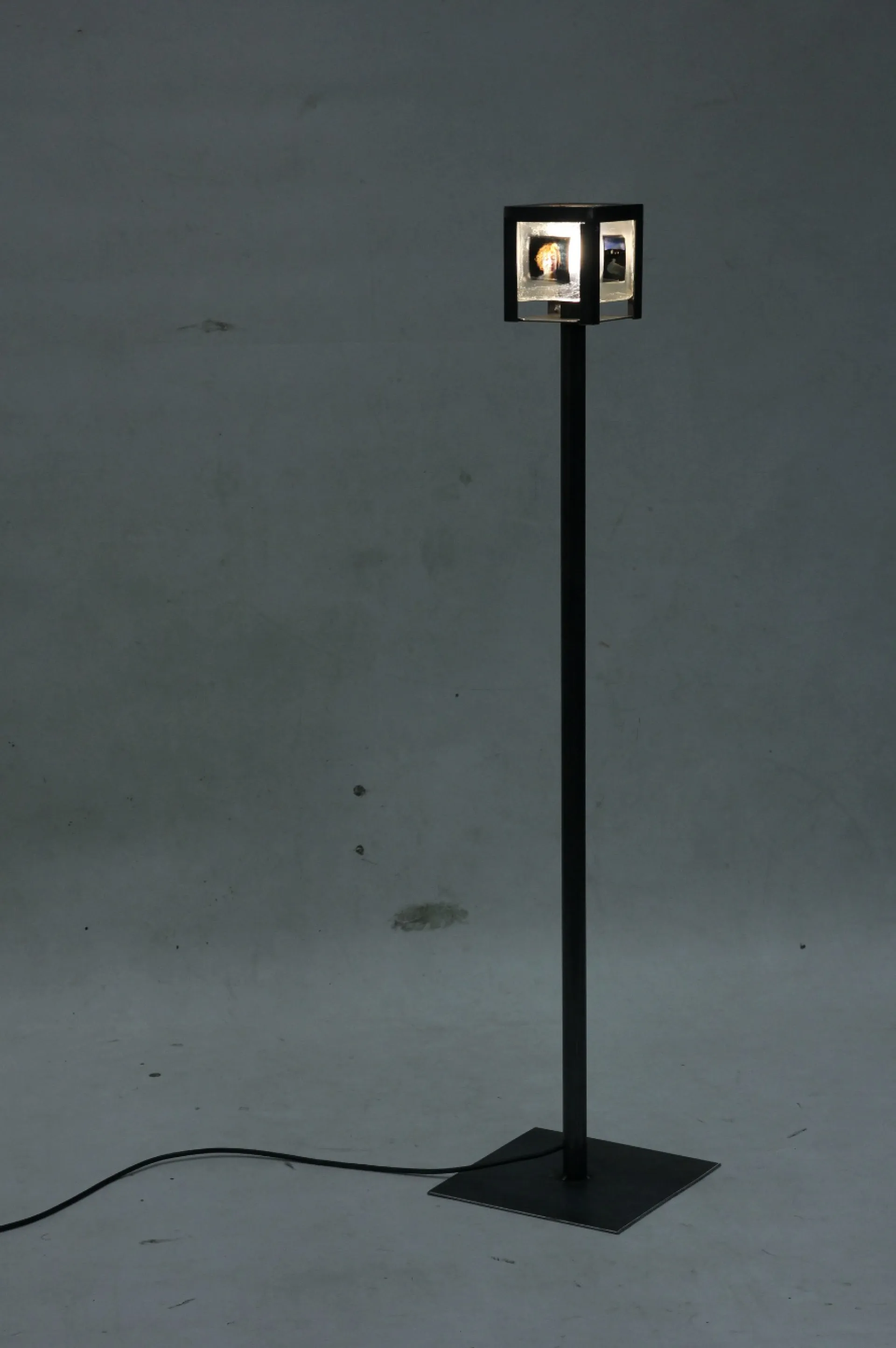

Jan A. Staiger


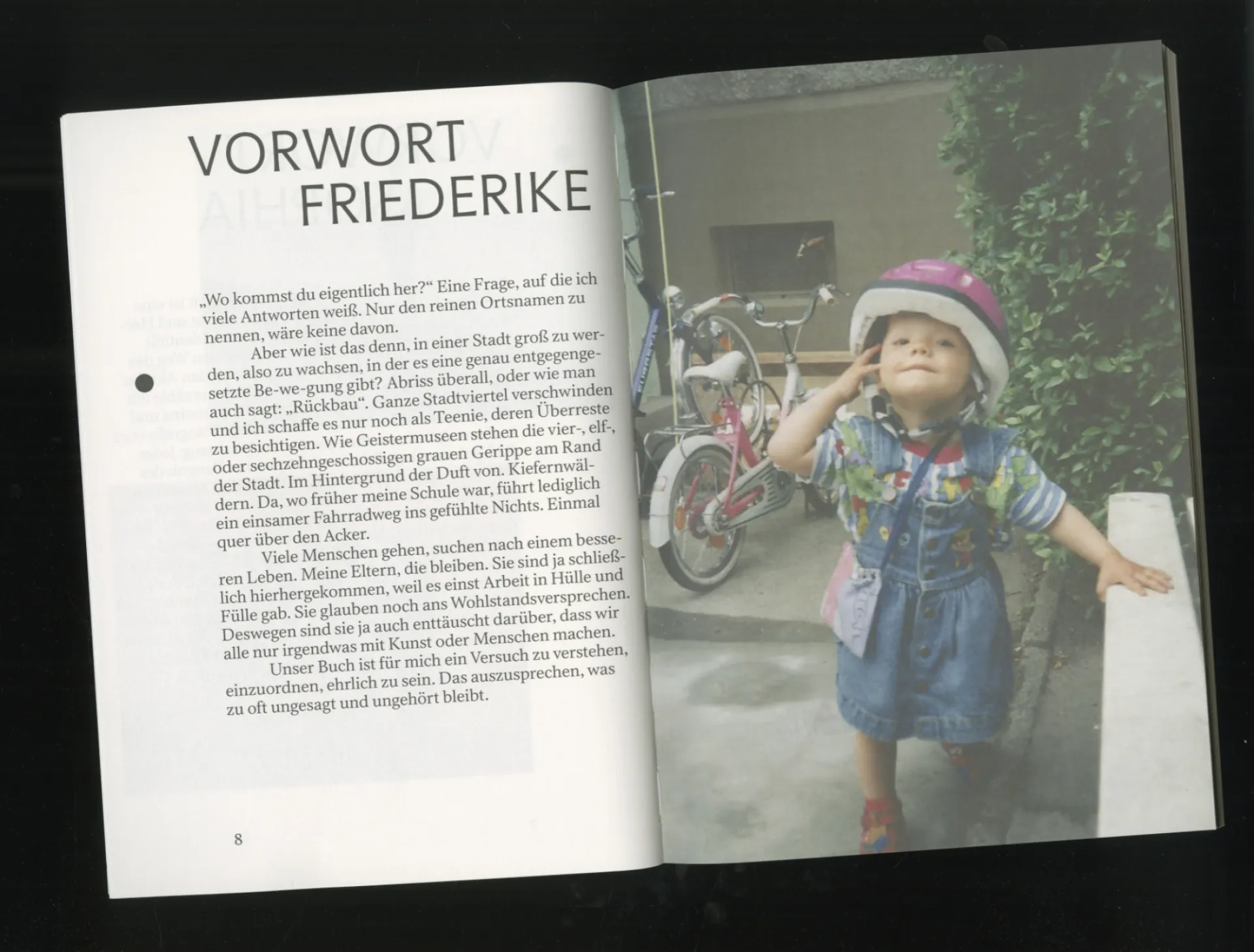
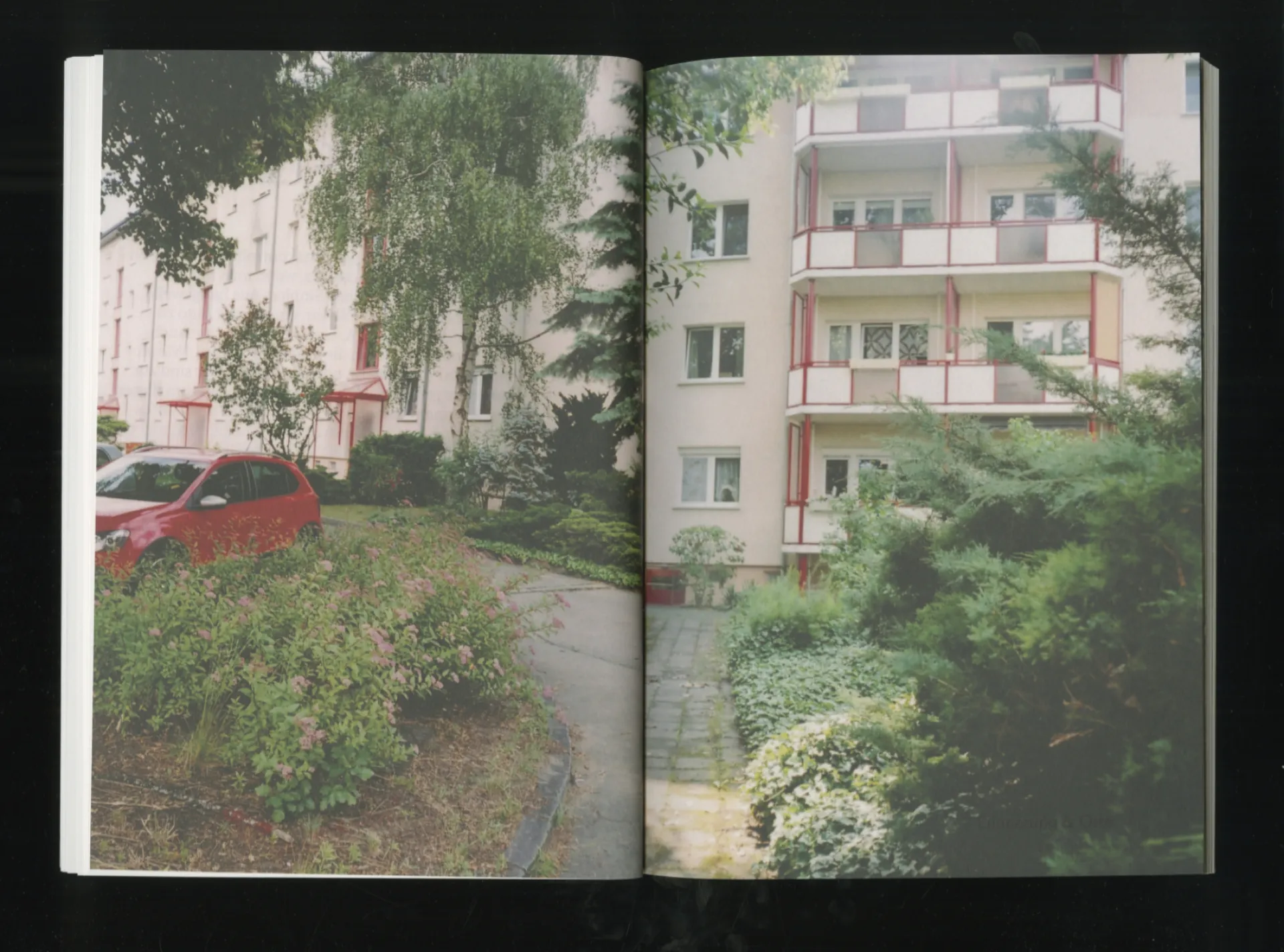
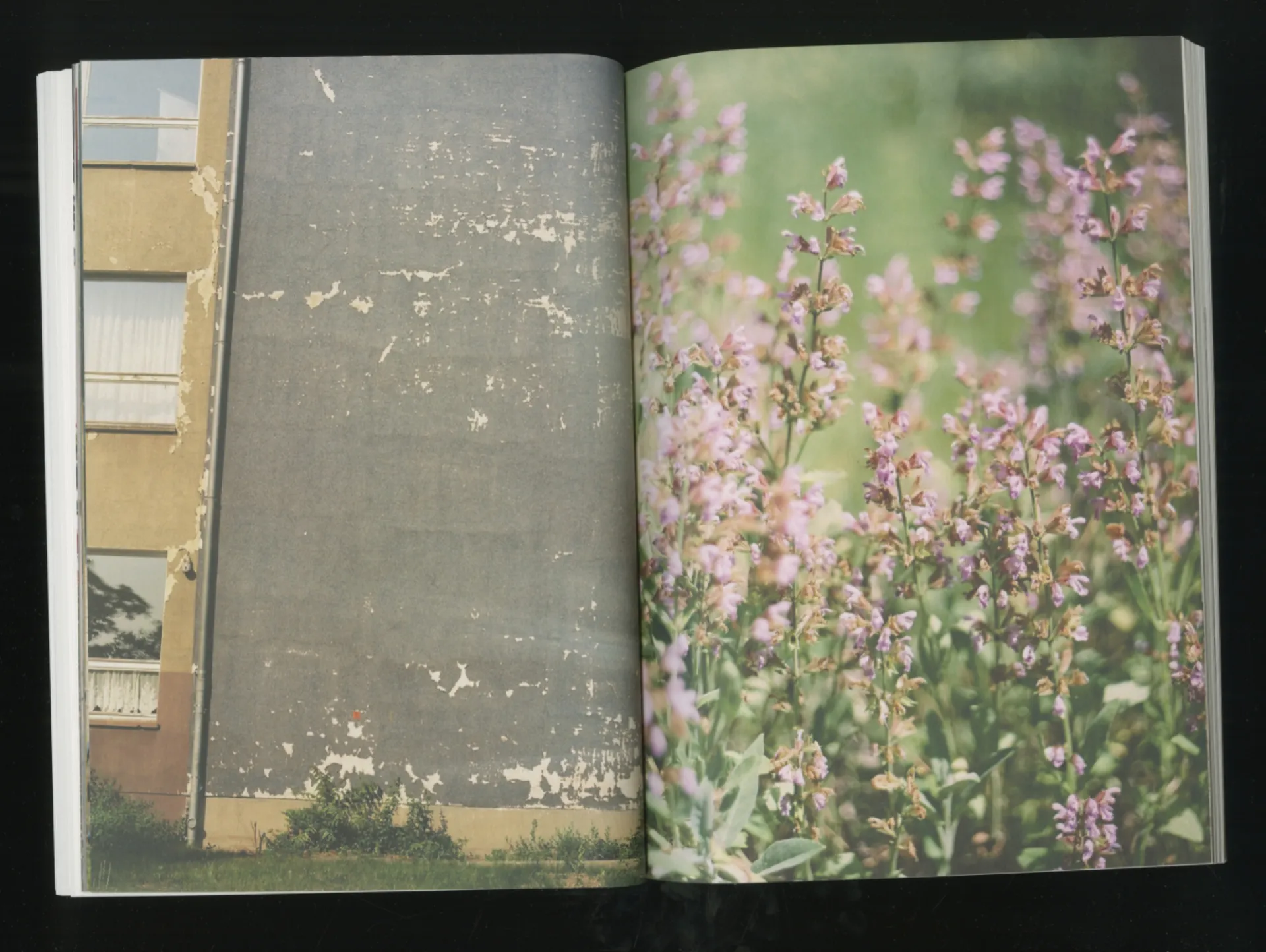

Lynn Elis
Rosamaria Ceesay
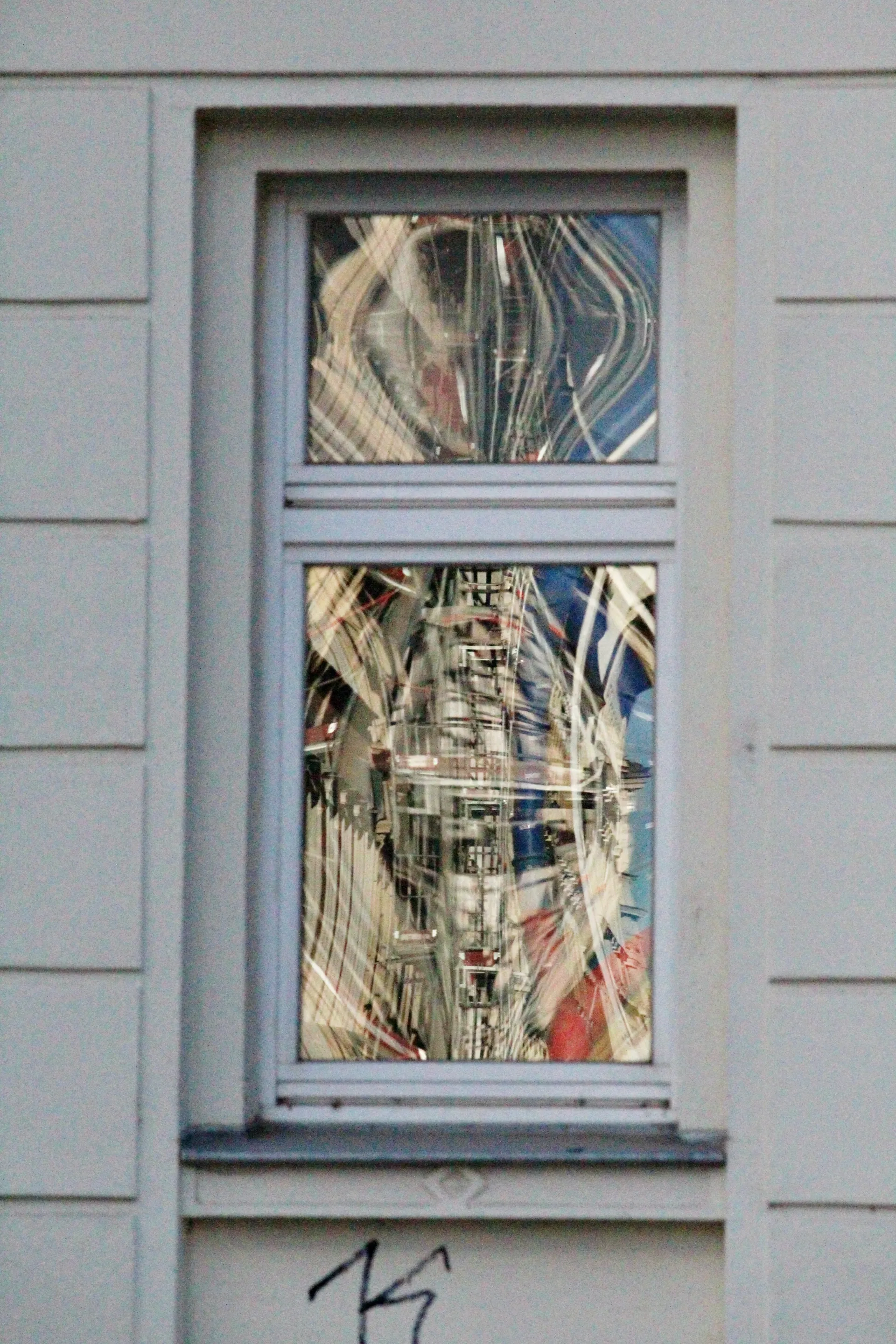
Lynn Elis
Lynn Elis